
Introduction
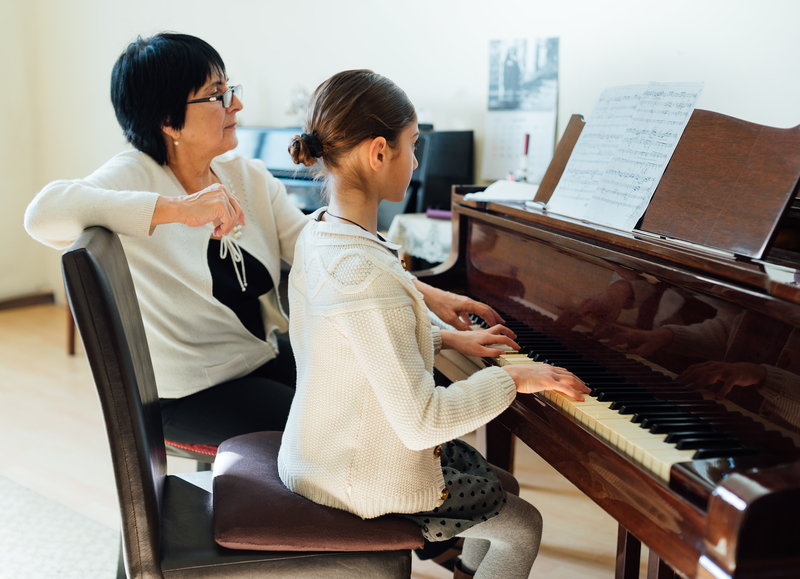
Why focus on easy music to play on the piano? Well, let’s face it: nobody wants to start with a complicated concerto that makes you want to pull your hair out. Instead, we’ll dive into simple piano pieces that are perfect for beginners and even seasoned players who just want a little fun. Think of them as the musical equivalent of your favorite comfort food-easy to digest and oh-so-satisfying!
Did you know that learning music can enhance cognitive abilities in children? Studies show it can improve memory, attention span, and even social skills. So, why not start with some easy songs for piano beginners? It’s a win-win!
This blog post will serve as your ultimate guide to finding easy piano sheet music, featuring everything from easy classical piano pieces and easy pop songs for piano, to children's songs for piano beginners. You’ll discover how these tunes can spark joy and creativity in budding musicians-without overwhelming them with complexity.
So grab your keyboard or dust off that old piano in the corner, because we're about to embark on an exciting journey through the world of beginner-friendly piano music. With our carefully curated list of popular easy piano songs, you'll be playing beautiful melodies in no time!
Benefits of Learning Piano for Children
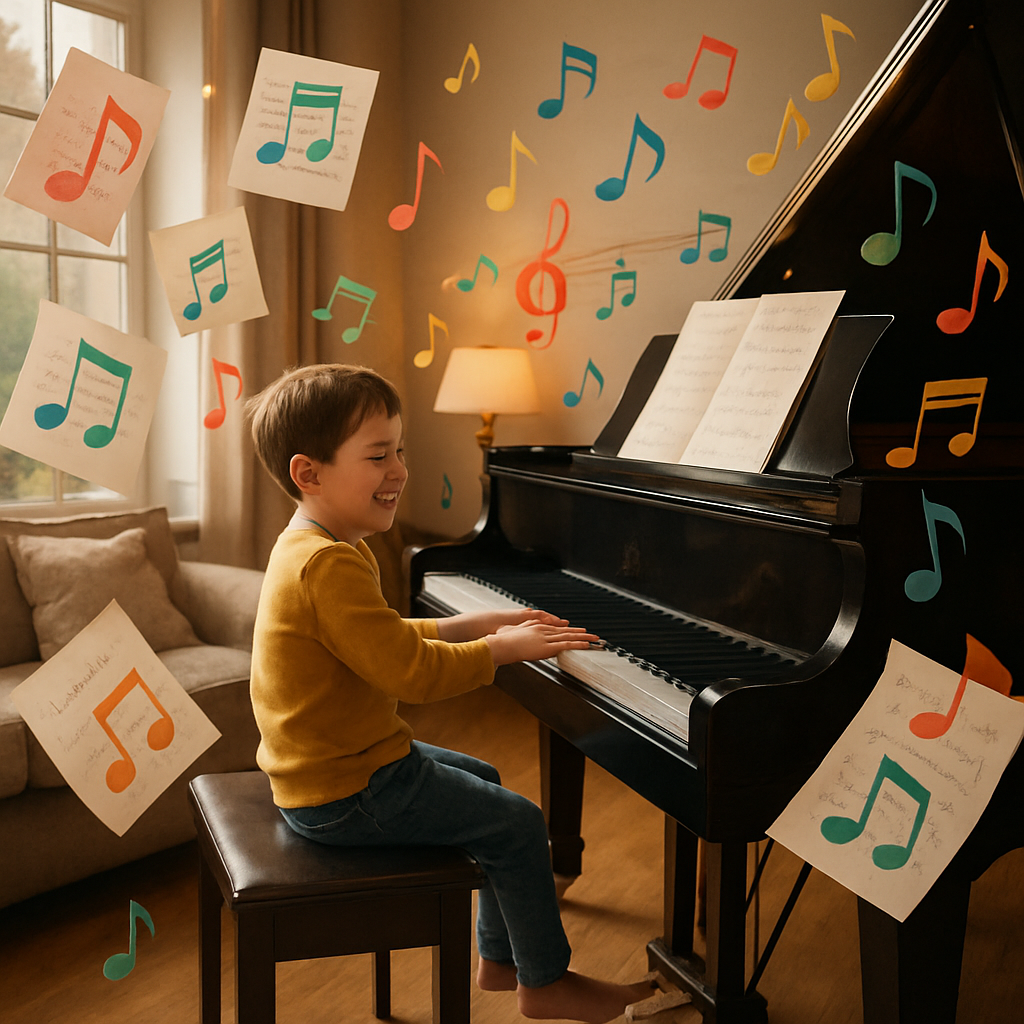
Learning to play the piano is like giving your child a multi-tool for life. Not only does it open the door to easy music to play on piano, but it also comes with a treasure trove of benefits that can help them grow in ways you might not expect. Let’s dive into some of these fantastic perks!
Cognitive Development and Critical Thinking
Did you know that playing the piano can actually boost brain power? It’s true! Engaging with music helps children develop critical thinking skills and enhances their cognitive abilities. When kids learn to read easy piano sheet music, they are essentially training their brains to process information more effectively.
- Improves memory retention
- Enhances spatial-temporal skills, which are crucial for math and science
- Encourages problem-solving through learning beginner piano songs
Emotional Expression and Creativity
Piano playing is a wonderful outlet for emotional expression. Imagine your child pouring their feelings into a beautiful melody, much like an artist with a paintbrush! Learning simple piano tunes allows them to explore their creativity while also developing emotional intelligence.
- Boosts self-esteem as they master new pieces
- Provides a safe way to express emotions through music
- Encourages improvisation and original composition, fostering creativity
Improvement in Motor Skills and Coordination
If you think playing the piano is just about hitting keys, think again! It’s a full-body workout for those tiny fingers. Playing requires coordination between hands, eyes, and brain-like juggling but with way more style!
- Enhances fine motor skills as they navigate the keyboard
- Improves hand-eye coordination through reading music and playing simultaneously
- Aids in developing rhythm and timing, essential for all kinds of physical activities
Building Discipline and Patience Through Practice
No one becomes a piano prodigy overnight, right? Learning an instrument teaches kids valuable lessons about discipline and patience. When they sit down to practice those basic piano songs, they’re not just learning notes-they’re cultivating perseverance.
- Instills a sense of responsibility as they commit to regular practice sessions
- Takes time management skills to juggle practice with schoolwork and playtime
- Cultivates patience as they work towards mastering more challenging pieces like easy classical piano pieces
The benefits of learning the piano extend beyond just musical skills-it's an investment in your child's overall development! With each note played, they're not only creating relaxing piano music for beginners, they're also building essential life skills.
If you're ready to introduce your child to this world of wonder, start exploring some beginner-friendly piano music. Who knows? They might just discover their passion while mastering those effortless tunes for the keyboard!

Choosing Easy Music to Play on Piano
When it comes to selecting easy music to play on piano, the choices can feel as overwhelming as a candy store with no price tags. But fear not! We’re here to help you navigate through the delightful chaos of beginner piano songs, ensuring you and your little ones find tunes that are not just simple but also engaging and fun.
Factors to Consider When Selecting Songs
Choosing the right song is like picking the perfect outfit for a party-it needs to fit just right! Here are some factors to keep in mind:
- Skill Level: Start with beginner-level compositions on the ivories. If it feels too hard, your child might lose interest quicker than you can say “Chopsticks.”
- Familiarity: Songs they know and love will keep them motivated. Think of easy pop songs for piano or even easy movie themes on piano.
- Length: Shorter pieces often work best. A quick win can boost confidence, so look for simple melodies for piano.
- Variety: Mix it up! Include everything from easy jazz piano pieces to simple folk songs for piano. This keeps practice fresh!
The Role of Familiar Melodies in Learning
Let’s face it: there’s something magical about playing a tune you already know. Familiar melodies can serve as a comforting blanket for budding pianists.
- Cognitive Connection: Recognizing melodies helps reinforce learning. It’s like having a cheat sheet while studying!
- Mood Booster: Playing a beloved song is an instant mood lifter. Who doesn’t feel joyful belting out “Twinkle Twinkle Little Star”?
- Sparking Interest: Kids are more likely to stick with their practice if they’re excited about what they’re playing. Think of it as baiting the hook!
How to Assess Skill Level for Appropriate Song Choices
Navigating your child’s skill level can be tricky, but don’t worry-we’ve got your back! Here’s how to make sure you’re hitting that sweet spot.
- Tune In: Listen to how they play. If they struggle with basic hand coordination, stick with uncomplicated piano pieces for starters.
- Pace Matters: If they find themselves frustrated after just a few notes, scale back! Start with elementary pieces for budding pianists.
- Aim Low (for now): Choose songs that challenge them without overwhelming them-think of this as building a solid foundation before constructing a skyscraper!
- User-Friendly Resources: Utilize platforms offering free or low-cost easy piano sheet music. Websites like Music Brain Training Co. have great selections!
Selecting the right music is crucial in keeping your child engaged and excited about learning the piano. By focusing on accessible music for novice pianists, you pave the way for joyful and successful musical journeys ahead!
The world of easy music to play on piano is vast and filled with opportunities for creativity and fun. So why not dive in? Grab those keys, pick some tunes, and let the musical adventure begin!
Simple Yet Beautiful Piano Songs for Beginners
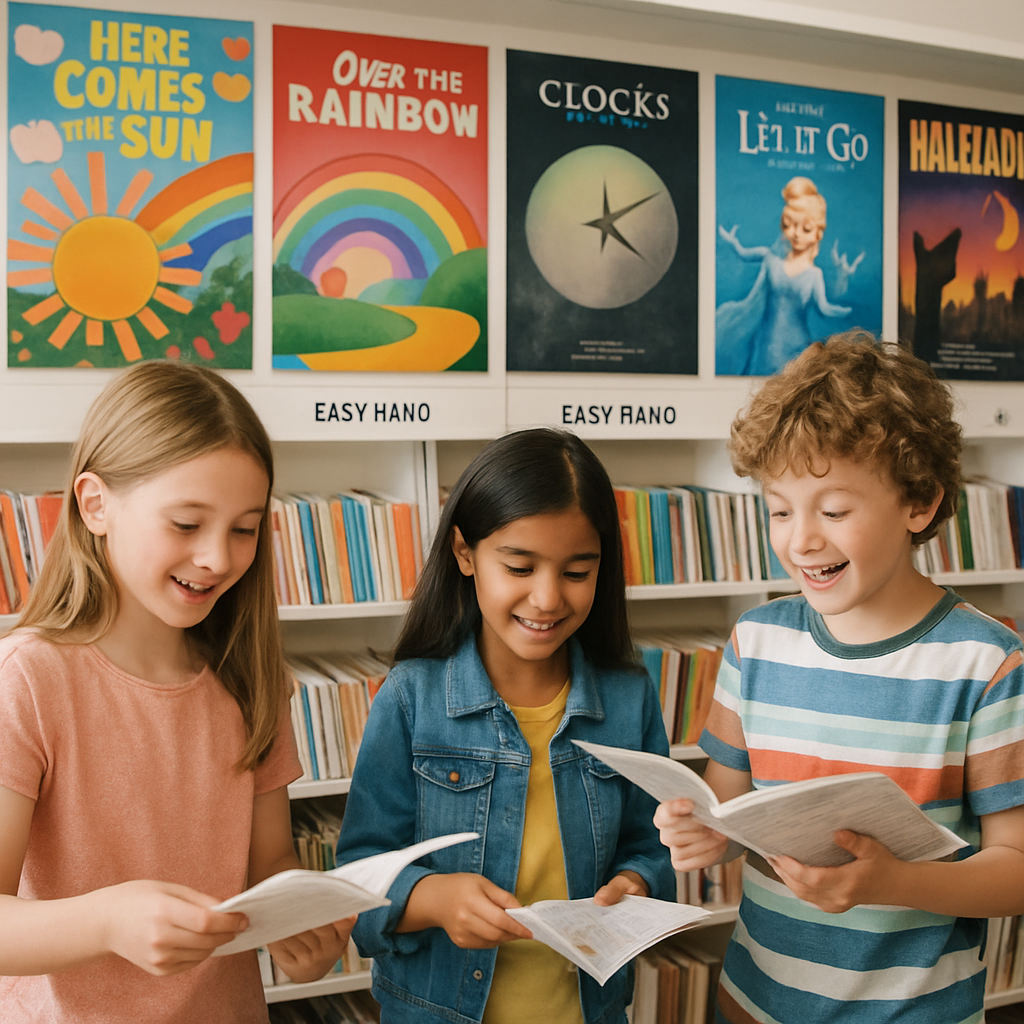
So, you’re ready to dive into the world of easy music to play on piano? Fantastic! Here’s where the fun really begins. We’ve curated a list of beginner piano songs that are not only straightforward but also delightful to play. These simple piano pieces will have your fingers dancing across the keys in no time!
Overview of Song Selection Criteria
When choosing songs, we want to ensure they are engaging and enjoyable. Think of it as picking out the perfect ice cream flavor-you want something that’s both delicious and easy to scoop! Here are some criteria for selecting the best beginner-friendly piano music:
- Simplicity: The song should have a clear and uncomplicated melody.
- Familiarity: Choose tunes that kids (and adults!) recognize; it makes playing more exciting.
- Length: Shorter pieces can be mastered quickly, boosting confidence.
- Diversity: Include various genres like easy classical piano pieces, easy pop songs for piano, and even some easy jazz piano pieces.
List of Recommended Songs:
- "Twinkle, Twinkle, Little Star": This classic nursery rhyme is a staple in every budding pianist's repertoire. The melody is simple yet enchanting-perfect for young learners!
- "Mary Had a Little Lamb": Another timeless favorite! This song teaches basic note patterns while being instantly recognizable.
- "Canon in D" (simplified version): Bring a touch of elegance to your practice with this beautiful piece. The simplified version makes it accessible while still sounding impressive.
- "Let It Be" by The Beatles (simplified version): Who doesn’t love a good Beatles tune? This one is not only iconic but also easy to learn, making it a hit among both kids and adults!
- "Clocks" by Coldplay (simplified version): With its catchy rhythm and memorable melody, this song will keep beginners engaged while they learn.
This selection of easy music to play on piano offers a great mix of genres and styles. By starting with these tunes, you’ll build confidence and skills without feeling overwhelmed!
The beauty of these simple melodies for piano lies in their ability to inspire creativity while keeping things light-hearted. As you or your child master these pieces, you'll find that playing the piano can be both rewarding and enjoyable.
If you're ready to explore more tunes or need resources like easy piano sheet music, don’t hesitate to check out platforms dedicated to helping novice pianists flourish. Happy playing!
Tips for Teaching Kids to Play Piano at Home
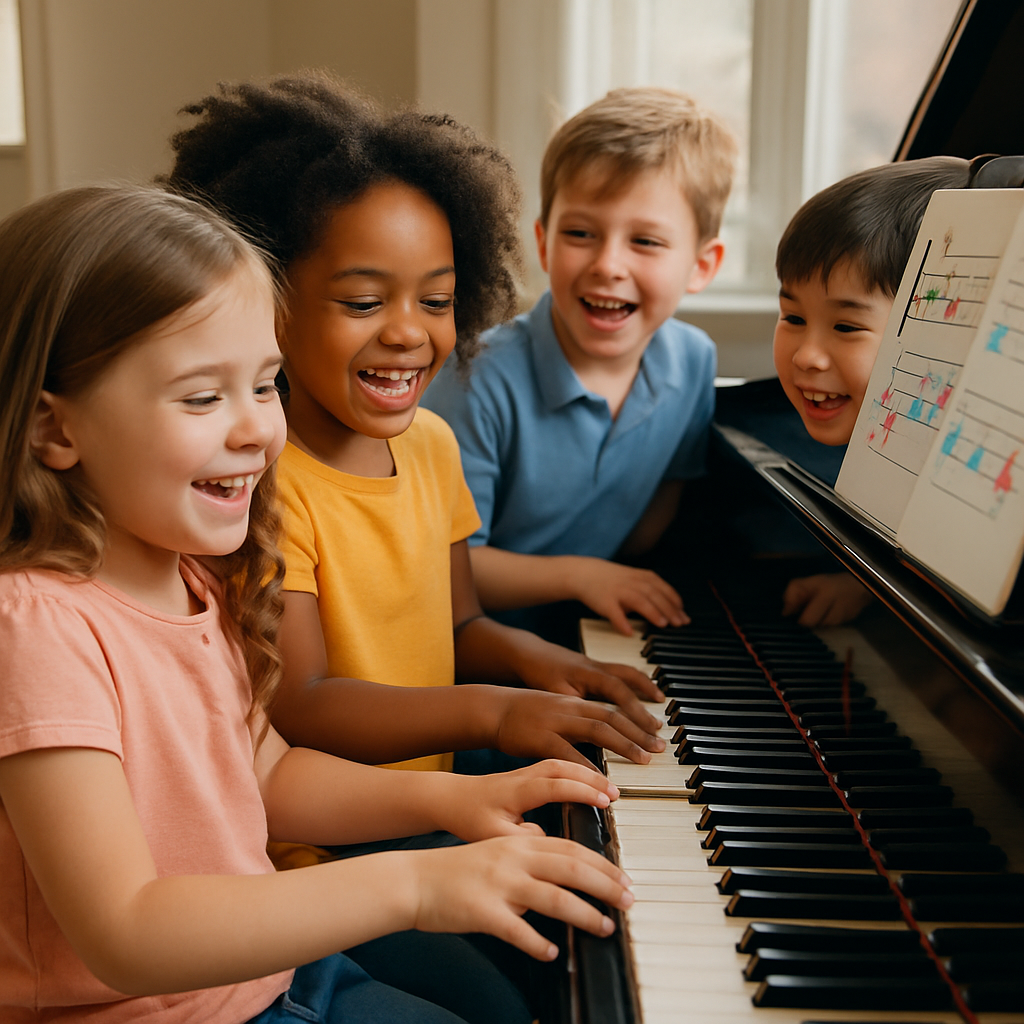
Teaching kids to play the piano at home can feel like trying to herd cats-exciting yet a bit chaotic! But fear not, fellow music enthusiasts! With the right approach, you can create a fun and engaging environment that makes learning easy music to play on piano a delightful experience. Here are some tips that will help you and your little ones embark on this musical adventure.
Create a Fun and Engaging Practice Environment
Imagine turning your living room into a mini concert hall! A vibrant, welcoming space can ignite your child's passion for music. Here’s how:
- Decorate with Music: Hang up colorful posters of popular easy piano songs, or even create a “music wall” showcasing their progress.
- Add Comfort: Ensure the piano or keyboard is at an appropriate height. A comfy seat can make all the difference-think of it as their musical throne!
- Incorporate Technology: Use apps that gamify learning. Kids love technology, so why not use it to teach them beginner piano music? There are plenty of options out there!
Use Visual Aids and Resources (e.g., Colored Notes, Stickers)
Visual aids can make learning easy classical piano pieces more engaging for kids. Here are some creative ideas:
- Color-Coded Notes: Assign different colors to notes on the staff. This visual cue helps children quickly identify notes without feeling overwhelmed.
- Stickers on Keys: Place stickers on keys corresponding to notes they’re learning. It’s like turning their keyboard into a treasure map!
- Piano Flashcards: Create flashcards with simple melodies or chords. They’re great for quick review sessions and can be turned into fun games.
Incorporate Games and Challenges into Practice Sessions
If practice feels like a chore, kids will tune out faster than you can say “Chopsticks.” Spice things up with games!
- Piano Bingo: Create bingo cards featuring notes or simple melodies. When they play a note correctly, they mark it off-first one to get bingo wins!
- Sight Reading Races: Challenge them to see how quickly they can read through easy songs for piano beginners. Time them and celebrate improvements!
- Piano Duets: Play together! Duets encourage teamwork while allowing them to hear how their part fits in with yours.
The Importance of Regular, Short Practice Sessions Over Long Ones
Your child’s attention span is like a rubber band-it stretches but snaps back quickly! Instead of marathon practice sessions, opt for shorter bursts of focused practice. Here’s why:
- Bite-Sized Learning: Short sessions allow kids to digest information without feeling overwhelmed by complexity.
- Avoid Burnout: Frequent breaks keep enthusiasm high; think of these as mini dance parties between practice sessions!
- Cumulative Progress: Regular short practices lead to consistent improvement over time-like watering a plant daily instead of flooding it once a month.
The key takeaway? Make learning easy music to play on piano an enjoyable experience by creating an engaging environment, using visual aids, incorporating games, and sticking to short practice sessions. Your child will be playing beautiful melodies before you know it!
If you're ready to start this musical journey with your child, explore resources for easy piano sheet music, and watch as they blossom into confident little pianists!
The Role of Technology in Learning Piano
In this digital age, learning piano has transformed from dusty old books and tedious lessons into an exciting adventure filled with interactive tools and online resources. Technology has become the secret sauce that makes easy music to play on piano more accessible than ever. Let’s explore how technology is reshaping the way we learn and enjoy beginner piano songs.
Interactive Piano Learning Platforms
Gone are the days when you had to sit through endless hours of traditional lessons. Now, with just a few clicks, you can access a plethora of interactive platforms that cater to all ages and skill levels. These platforms are like having a personal tutor available 24/7!
- Gamified Learning: Many apps turn practice into a game, rewarding players for completing challenges. Think of it as leveling up in your favorite video game while mastering simple piano pieces.
- Instant Feedback: Some platforms offer real-time feedback on your playing. Imagine having a coach whispering tips in your ear as you tackle those easy classical piano pieces.
- Diverse Repertoire: With access to vast libraries of easy piano sheet music, you can explore everything from easy pop songs for piano to easy jazz piano pieces. The world is your oyster!
Using Video Tutorials Effectively
YouTube isn’t just for cat videos anymore! It’s a treasure trove of tutorials that can help you learn everything from basic chords to complex compositions.
- Selecting Quality Content: Look for channels dedicated to teaching beginner-level compositions on the ivories. Check out reviews or subscriber counts to find reputable sources.
- Pacing Yourself: One common mistake is trying to rush through tutorials. Take your time, pause, and replay sections until you feel confident with those basic piano songs.
- Diverse Learning Styles: Videos cater to various learning styles-visual learners can benefit from seeing finger placements while auditory learners can focus on hearing the nuances of each piece.
The Power of Apps for Practice and Progress Tracking
Piano learning apps are like having a personal assistant right in your pocket! They keep track of progress, set goals, and even remind you when it’s time to practice.
- Scheduling Practice Sessions: Many apps allow you to set reminders for practice times, making it easier to establish a routine without feeling overwhelmed.
- Progress Tracking: Visualizing progress can be incredibly motivating! Apps often provide charts that show how much you've improved over time-kind of like watching your favorite sports team climb the rankings!
- Diverse Exercises: From sight-reading drills to ear training games, these apps offer various exercises tailored specifically for beginners tackling easy songs for piano.
The integration of technology into learning piano not only makes it more enjoyable but also enhances retention and skill acquisition. By leveraging these resources, you're paving the way for a more enriching musical journey!
If you're ready to embrace this tech-savvy approach, dive into some interactive platforms or check out video tutorials today. Your journey through the world of easy music to play on piano awaits!