
Introduction
Did You Know? Many famous composers favored the key of B-flat due to its warm sound and versatility across different instruments from piano and guitar to trumpet and clarinet!
This post will cover everything from how to play B flat scales for piano and guitar, to mastering them on wind instruments like the trumpet or clarinet. We’ll also explore essential practice tips, finger positions, and even some cool exercises that will have you playing like a pro in no time.
So grab your instrument (or just your enthusiasm), because we’re about to dive deep into the wonderful world of B flat scales! Ready? Let’s hit those notes!

Understanding B Flat Scales
Welcome to the fascinating world of B flat scales! If you're wondering what makes these scales so special, you're in for a treat. Think of B flat scales as the friendly neighborhood superheroes of music theory they’re versatile, essential, and can save your musical day!
Let’s break down the main players in the B flat scale family:
- B Flat Major Scale: The sunny disposition of B flat scales! With its uplifting sound, it’s perfect for everything from classical compositions to pop hits.
- B Flat Minor Scale: Here comes the moody sibling. This scale adds drama and depth to your music, often found in soulful ballads.
- B Flat Pentatonic Scale: A five-note wonder that’s a favorite among guitarists and vocalists alike perfect for improvisation and creating catchy melodies.
- B Flat Blues Scale: This scale is like adding hot sauce to your favorite dish spicy and full of flavor! It’s a go-to for jazz and blues musicians looking to add some sass.
- B Flat Harmonic Minor Scale: With its exotic flair, this scale brings a unique twist that can transport listeners into far-off lands.
- B Flat Melodic Minor Scale: This one is all about versatility; it changes its character when ascending or descending, keeping things interesting!
- B Flat Natural Minor Scale: The classic choice for those who want to evoke feelings of nostalgia or melancholy.
Did you know? Mastering these scales can significantly enhance your musical skills across various instruments like piano, guitar, trumpet, and clarinet!
The beauty of understanding B flat scales lies not just in playing them but also in how they connect with different genres from classical masterpieces to modern jazz improvisation. So whether you're strumming on a guitar or tapping on a piano, these scales will be your trusty companions on your musical journey.
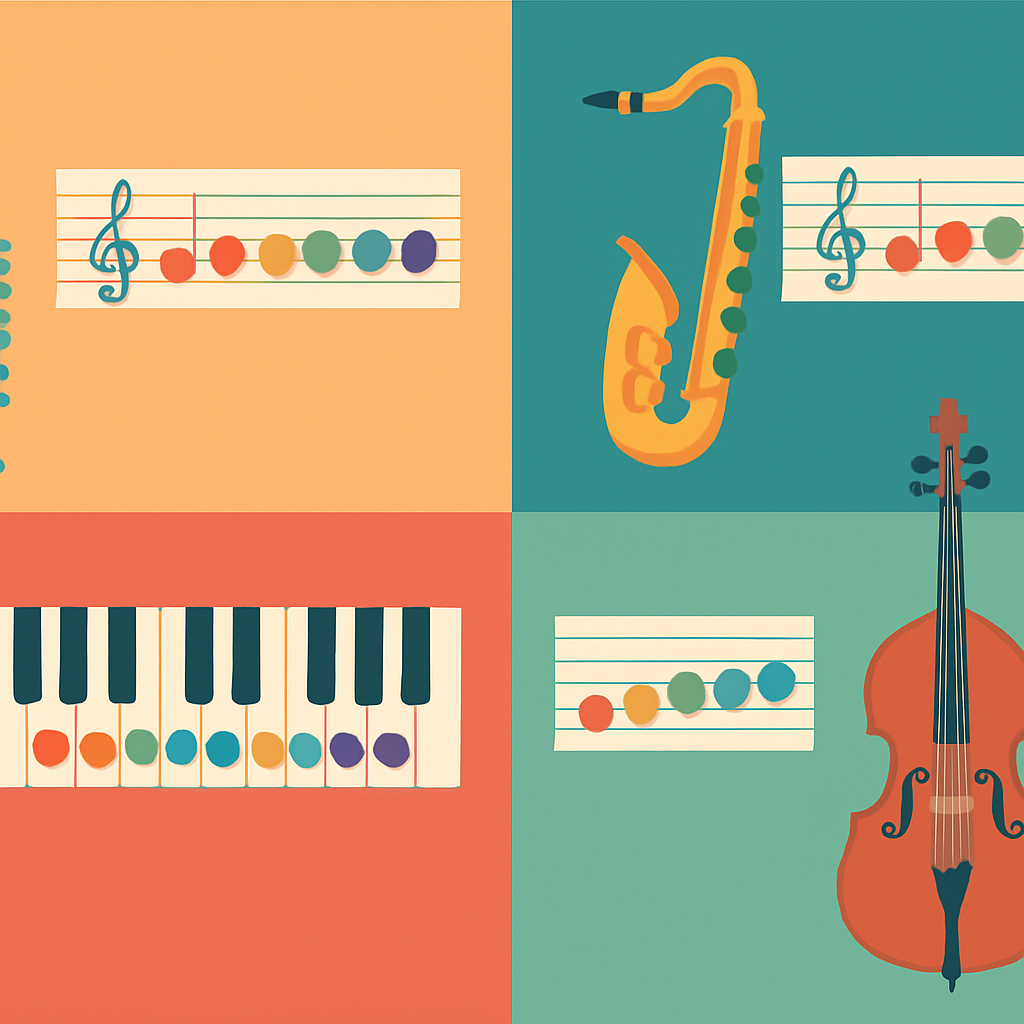
Now that we’ve laid the groundwork, grab your instrument of choice because up next we’ll dive into how to play these fabulous B flat scales!
How to Play B Flat Scales
Ready to dive into the world of B flat scales? Whether you're tickling the ivories on a piano, strumming a guitar, or blowing into a trumpet, mastering these scales is your ticket to musical freedom. Let's break it down step by step!
Finger Positions for B Flat Scales
First things first: finger positions! Each instrument has its own quirks, but here’s a general guide:
- Piano: For the B flat major scale, start with your thumb on B flat and use your middle finger for D and your pinky for F. Remember to cross your thumb under when you reach A!
- Guitar: Use your index finger to fret the first fret on the A string (B flat) and follow through with your other fingers for the rest of the scale.
- Trumpet: Start with valves 1 and 3 pressed down for B flat; practice moving through the scale while focusing on breath control.
- Clarinet: Make sure you’re using proper fingerings starting from B flat, and don’t forget to keep your embouchure tight!
Practice Tips for B Flat Scales
No one becomes a maestro overnight! Here are some tips to help you speed up your journey:
- Start Slow: Begin at a comfortable tempo. Speed will come with practice.
- Use a Metronome: This will keep you in time and help develop your sense of rhythm.
- Record Yourself: Listening back can reveal areas needing improvement.
- Daily Practice: Even just 10-15 minutes each day can lead to significant progress over time!
Exercises for Mastering the B-flat Scale on Flute
If you're playing flute, try these exercises to enhance your skills:
- Tonguing Exercises: Work on clear articulation by practicing staccato notes in the scale.
- Sustained Notes: Hold each note in the scale for four beats to improve tone quality.
- Interval Jumps: Practice jumping between notes in the scale this helps with agility!
Mastering the B Flat Scale on Saxophone
Saxophonists, rejoice! The B flat scale is not only fundamental but also super fun. Here's how you can master it:
- Breathe Deeply: A good breath support is key. Start with long tones before moving into scales.
- Tonguing Techniques: Practice slurring between notes and then add in tonguing for clarity.
- Create Melodies: Use the notes from the B flat major or minor scale to create short melodies this makes practice feel like play!

B Flat Scales Across Instruments
When it comes to B flat scales, versatility is the name of the game! Whether you're tickling the ivories on a piano, strumming your guitar, or blasting notes on a trumpet, these scales can be your best friend. Let’s dive into how different instruments approach our beloved B flat scales.
B Flat Scales for Piano
For pianists, mastering the B flat major scale and its relatives is crucial. The scale consists of the notes B♭, C, D, E♭, F, G, A, and back to B♭. Here's a quick tip: use your thumb (1) on B♭ and your pinky (5) on A for smooth transitions. Practice with both hands separately before putting them together it’s like learning to dance before hitting the floor!
B Flat Scales for Guitar
If you're strumming away on the guitar, you'll find that B flat can be played in various positions along the fretboard. Start with an open position or barre chords at the first fret for that rich sound. Remember: practice makes perfect! Try incorporating B flat minor pentatonic scale licks into your solos for that bluesy vibe.
B Flat Scales for Trumpet
Trumpeters rejoice! The B flat scale is often one of the first scales you’ll learn because it’s fundamental in many pieces. The notes are identical to those on piano but shift in fingerings so make sure to memorize those valve combinations! Regular practice will help you nail those quick runs like a pro.
B Flat Scales for Clarinet
Clarinetists also benefit from mastering B flat scales. The fingerings might seem tricky at first especially when transitioning between octaves but don’t fret! Utilize long tones to build control and confidence. Plus, embracing the B flat blues scale can add some serious flavor to your improvisation sessions.
Key Takeaway: No matter your instrument of choice, practicing B flat scales will enhance your overall musicianship and prepare you for more complex pieces down the line!

Music Theory and B Flat Scales
Welcome to the fascinating world of music theory, where B flat scales reign supreme! Understanding these scales is like having a treasure map that guides you through the musical landscape. Let’s break down the essentials so you can navigate this territory with confidence.
Chord Progressions in the Key of B-flat Major and Minor Scales
First up, we have chord progressions. In the key of B-flat major, common progressions include:
- I-IV-V (B♭-E♭-F)
- I-vi-ii-V (B♭-Gm-Cm-F)
For B-flat minor, you might encounter:
- i-iv-V (B♭m-E♭m-F)
- i-VII-VI (B♭m-A♭-G♭)
Differences Between B-flat Major and B-flat Minor Scales
The difference between these two scales is like comparing a sunny day to a moody evening. The B-flat major scale has a bright, uplifting sound, while the B-flat minor scale brings in a more somber tone. This emotional contrast can be pivotal in songwriting and composition.
Using B-flat Blues Scale in Soloing
The B-flat blues scale is your best friend when it comes to improvisation. It consists of the following notes:
- B♭
- D♭
- E♭
- E
- F
- A♭
This scale allows for expressive bends and soulful phrases!
Understanding Accidentals in B-flat Major and Minor Keys
Accidentals are those sneaky little notes that add flair to your music. In both the B-flat major and minor scales, you'll encounter accidentals that can change the mood entirely. For instance:
- B-flat major: F# (sharp) often appears in jazz contexts for tension.
- B-flat minor: The raised seventh (A natural) is crucial for creating resolution.
Mastering accidentals will elevate your playing!
So whether you're strumming on a guitar or blowing into a trumpet, embracing these concepts will unlock new creative pathways. Dive into these theories, play around with them, and watch as your musical prowess expands!
Cultural Context of B Flat Scales
The B flat scales are not just a collection of notes; they are a vibrant tapestry woven into the fabric of music history. From classical masterpieces to modern jazz improvisations, the key of B flat has been a favorite among composers and musicians alike.
History of the B-flat Musical Key
The roots of the B flat key can be traced back to the Baroque period, where it became popular due to its warm tones and rich harmonic possibilities. Composers like Bach and Handel frequently used B flat major and minor scales in their works, creating a sound that was both majestic and intimate.
Famous Songs in the Key of B-flat
Many iconic songs have been penned in the key of B flat, making it a go-to choice for songwriters across genres. For instance:
- "Someone Like You" by Adele
- "Take Five" by Dave Brubeck
- "Superstition" by Stevie Wonder
- "Just the Way You Are" by Bruno Mars
Composers Who Favored the Key of B-flat
Several renowned composers have shown a particular fondness for the key of B flat. Here are just a few:
- Ludwig van Beethoven: His "Piano Concerto No. 5" is a stunning example.
- Wolfgang Amadeus Mozart: Known for his "Clarinet Concerto," which showcases beautiful melodies in B flat.
- Duke Ellington: A jazz legend who frequently utilized B flat scales in his compositions.
The cultural significance of B flat scales extends beyond mere notes on a page; they connect us to history, evoke emotions, and inspire creativity. Understanding this context not only enriches our playing but also deepens our appreciation for music as an art form.
Advanced Techniques with B Flat Scales
Ready to take your B flat scales game to the next level? Buckle up, because we’re diving into some advanced techniques that will make you sound like a pro in no time! Whether you're jamming on a trumpet or laying down some keys on a piano, these methods will add depth and flair to your musical repertoire.
- Create Melodies with the B-flat Pentatonic Scale: The B-flat pentatonic scale is like the secret sauce of melody-making. With just five notes, you can create catchy hooks that stick in your listeners' heads like bubblegum on a hot sidewalk. Try improvising melodies over backing tracks using this scale it’s fun and liberating!
- Transcribing Solos Using the B-flat Blues Scale: Want to learn how to play like your favorite musicians? Start transcribing solos using the B-flat blues scale. This technique not only helps you understand phrasing and timing but also allows you to incorporate those tasty licks into your own playing. Plus, it’s a great way to develop your ear!
- Exploring Modes Derived from the B-flat Major Scale: Modes are like different flavors of ice cream each one has its unique taste! By exploring modes derived from the B-flat major scale (like Dorian and Mixolydian), you can spice up your improvisation and composition skills. Each mode brings its own mood; experiment with them to see how they change the vibe of your music.
- Jazz Improvisation with B-flat Scales: Jazz is all about freedom and expression. Use your knowledge of B-flat scales for jazz improvisation by mixing scales, arpeggios, and rhythms. Try playing over common jazz standards in B-flat this will help you internalize chord changes and improve your spontaneity.
- Rhythm Patterns in Compositions Using the B-flat Harmonic Minor Scale: The harmonic minor scale adds drama and intensity to your music. Experiment with different rhythm patterns while composing pieces in this scale. You might find that a simple change in rhythm can transform a basic melody into something truly captivating!
Tip: Always keep a notebook handy for jotting down ideas as they come! Inspiration can strike at any moment.
