If you are wondering how to play piano, the good news is that you do not need to begin with complicated theory or difficult songs.
Beginners make better progress when they start with a few simple ideas: understanding the keyboard, learning basic finger numbers, recognizing rhythm, playing an easy song, and practicing consistently.
Whether you are helping a child begin piano or learning alongside them, these five steps can make the process much easier.
1. Learn Your Way Around the Piano Keyboard
The piano may look complicated at first, but the keyboard is built from repeating patterns.
Start by looking at the black keys. You will see that they repeat in groups of two and three.
Once you can recognize those groups, finding the white notes becomes much easier.
The musical alphabet uses only seven letters:
A, B, C, D, E, F, G
After G, the pattern starts again at A.
A simple place to begin is middle C. Find a group of two black keys near the center of the keyboard. The white key immediately to the left is C. From there, you can begin identifying the rest of the notes one at a time.
If you are deciding what kind of keyboard to start with, Yamaha has a useful beginner’s guide comparing 61-key keyboards and 88-key digital pianos
2. Learn Finger Numbers and a Simple Hand Position
Piano players use numbers to identify their fingers.
Each thumb is finger 1, and the numbers continue outward:
- Thumb = 1
- Index finger = 2
- Middle finger = 3
- Ring finger = 4
- Little finger = 5
Place your right thumb on C and let the other fingers rest naturally on the next four white keys.
Then try this simple pattern:
1 - 2 - 3 - 4 - 5 - 4 - 3 - 2 - 1
Play slowly and keep your hand relaxed.
The goal is not speed. It is control, evenness, and getting comfortable using each finger.
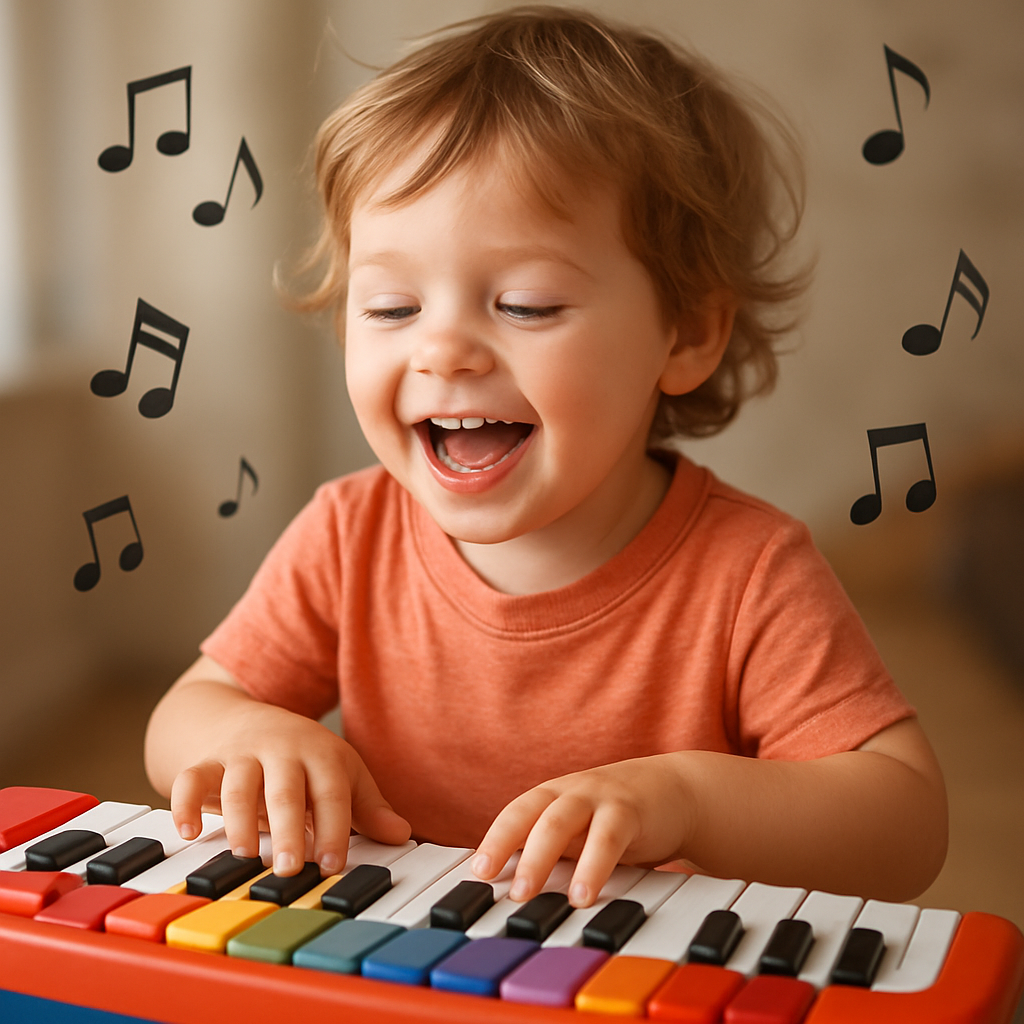
3. Learn Rhythm Before You Worry About Speed
Knowing which notes to play is only part of learning how to play piano.
You also need to know when to play them.
That is rhythm.
Start by clapping a steady beat.
Then try simple rhythm patterns and repeat them back.
For example, clap four even beats:
1 - 2 - 3 - 4
Then try holding some beats longer than others.
You can practice rhythm away from the keyboard before combining it with notes.
This helps beginners develop timing without having to think about too many things at once.
4. Play an Easy Song as Soon as Possible
One of the best ways to stay motivated is to play recognizable music early.
Beginners do not need to wait until they have mastered every note or learned pages of theory.
Choose a simple melody with only a few notes.
Learn it in short sections.
Practice one phrase until it feels comfortable, then add the next.
Playing a real song gives beginners an immediate sense of progress.
It also gives all those early skills- note recognition, rhythm, finger movement, and timing- a purpose.
5. Practice a Little, Often
You do not need to practice piano for hours every day.
For many beginners, short and consistent practice works better than one long session each week.
A simple beginner schedule might be:
- 10 to 20 minutes per session
- Three to five days each week
- One or two clear goals each session
- Accuracy before speed
If you make a mistake, slow down.
If your hands become tense, take a break.
Good practice is about building correct habits, not simply repeating something as fast as possible.
Can You Learn Piano Without Reading Music First?
Yes, you can begin playing piano before you are comfortable reading traditional music notation.
That does not mean music reading is unimportant.
It means beginners do not necessarily have to learn everything at once.
For some students, especially younger children, starting with visual patterns and actual keyboard playing can make the first steps easier.
As confidence grows, traditional notation can be introduced gradually.
This is the approach used by Piano Wizard Academy.
How Piano Wizard Helps Beginners Learn to Play Piano
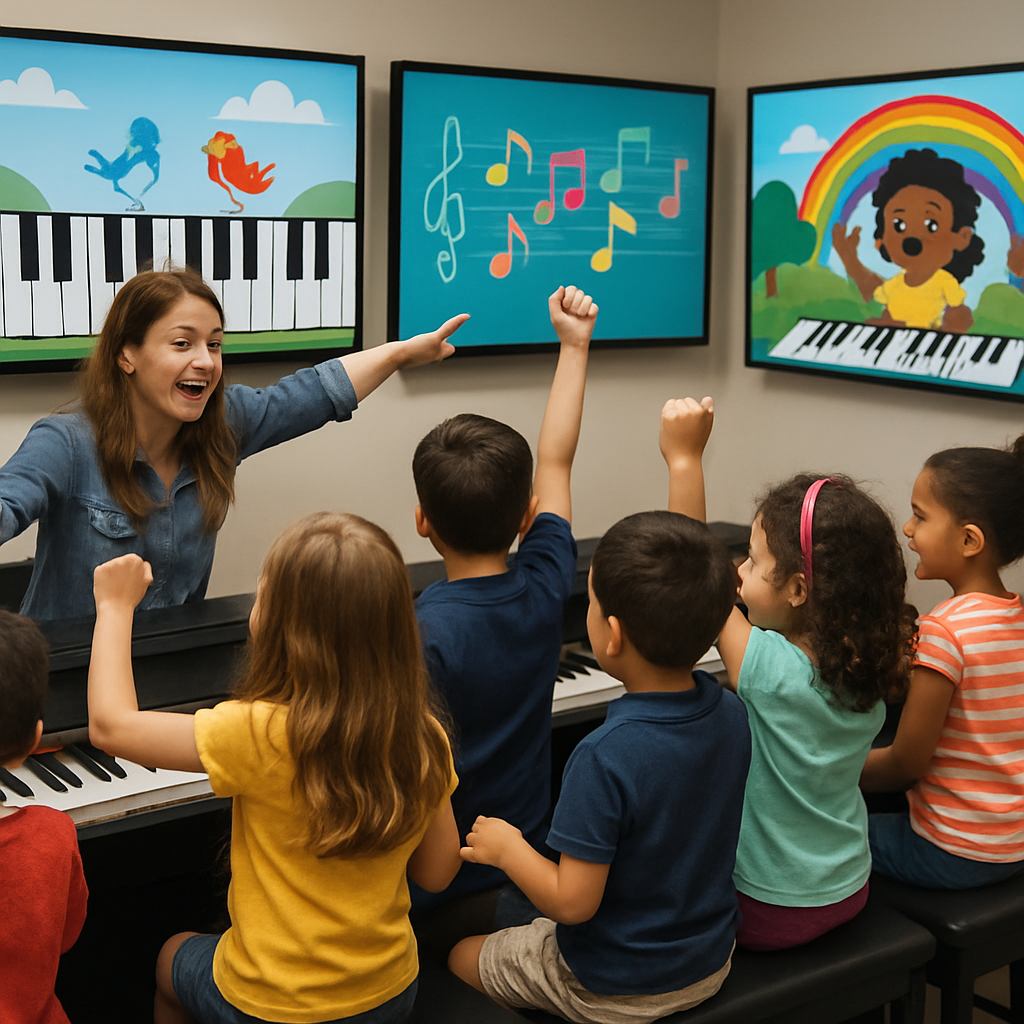
Piano Wizard was designed to give beginners an interactive way to start playing before traditional notation becomes a barrier.
Students begin by following visual cues while playing a real piano or MIDI keyboard.
They connect what they see on the screen with the keys they play and the sounds they hear.
As they progress, those visual cues gradually transition toward standard music notation.
Students build skills such as:
- Keyboard awareness
- Rhythm and timing
- Finger coordination
- Note recognition
- Hand independence
- Music reading
- Confidence at the piano
This makes Piano Wizard a useful option for families who want to know how to learn piano in a way that feels more visual, interactive, and game-based.
What Do You Need to Start Playing Piano?
You do not need much equipment to begin.
A basic setup can include:
- A piano or digital keyboard
- A comfortable bench or chair
- Headphones if quiet practice is important
- A structured learning method
- A few minutes of regular practice time
A 61-key digital keyboard can be enough for many beginners, while an 88-key digital piano provides the full keyboard range and can be a better long-term choice.
How Long Does It Take to Learn Piano?
There is no single answer.
How quickly someone learns depends on age, practice consistency, goals, previous musical experience, and the difficulty of the music they want to play.
A beginner may be able to play a simple melody very quickly.
Developing strong technique, fluent music reading, coordination between both hands, and a larger repertoire takes longer.
The most useful goal is steady progress.
Learn one skill.
Use it in a song.
Then build the next skill on top of it.

How to Help Kids Learn to Play Piano
If you are helping a child learn piano, keep the early experience positive.
Young students usually respond better to short lessons, clear goals, visual learning, and opportunities to play recognizable music.
Avoid making every practice session feel like a test.
Instead, notice progress.
Ask your child to play something for you.
Celebrate when they finish a song or master a difficult section.
For more ideas, explore our piano games for kids and see how simple activities can make early piano practice more engaging.
Autism and Piano: How Learning Piano Can Benefit Children on the Autism Spectrum
Start Playing Piano Today
Learning how to play piano does not have to begin with months of preparation.
Start with the keyboard.
Learn a few notes.
Practice a simple rhythm.
Play an easy song.
Then keep going.
The important thing is to begin in a way that makes you want to come back to the piano tomorrow.
Explore Piano Wizard Academy and discover a game-based way for beginners to start learning piano with a real keyboard.