Introduction
Importance of Music Education for Children
Music education is like a magic key that opens doors to various cognitive and emotional benefits. Studies have shown that children who engage in music education tend to excel in other academic areas, thanks to improved memory and concentration skills. According to research from the Piano Lessons, playing an instrument can enhance brain development and improve social skills.
Plus, it’s a fantastic way for kids to express themselves! Whether they're learning piano online or taking beginner piano lessons, each note they play helps build their confidence and self-esteem.
Benefits of Learning Piano
- Cognitive Development: Learning music helps boost memory and problem-solving skills.
- Emotional Well-being: Playing the piano can help reduce stress and anxiety, providing a form of emotional release.
- Social Skills: Group lessons or performances encourage teamwork and communication.
- Discipline: Regular practice instills a sense of discipline that extends beyond music.
- Creativity: Kids learn to think outside the box as they explore different styles and genres.
Overview of the Strategies to Be Discussed
This blog post will dive into 5 proven strategies for teaching kids how to play the piano. We’ll cover everything from finding a good online piano teacher to effective piano practice techniques. Each strategy is designed with fun in mind because learning should feel like an adventure rather than a chore!
You’ll discover:
- The best apps for learning to play the piano.
- A beginner's guide to playing the piano that makes mastering the keyboard feel effortless.
- Tips for practicing the piano effectively-think of it as leveling up your child's music game!
- The secrets behind understanding rhythm and timing in piano playing.
- A step-by-step piano tutorial that even your child can follow without getting lost!
Takeaway: Teaching kids how to play the piano not only fosters musical talent but also equips them with essential life skills. So grab those keys, and let’s get started!
Strategy 1: Start with the Basics
Introduce Musical Concepts (Notes, Rhythms)
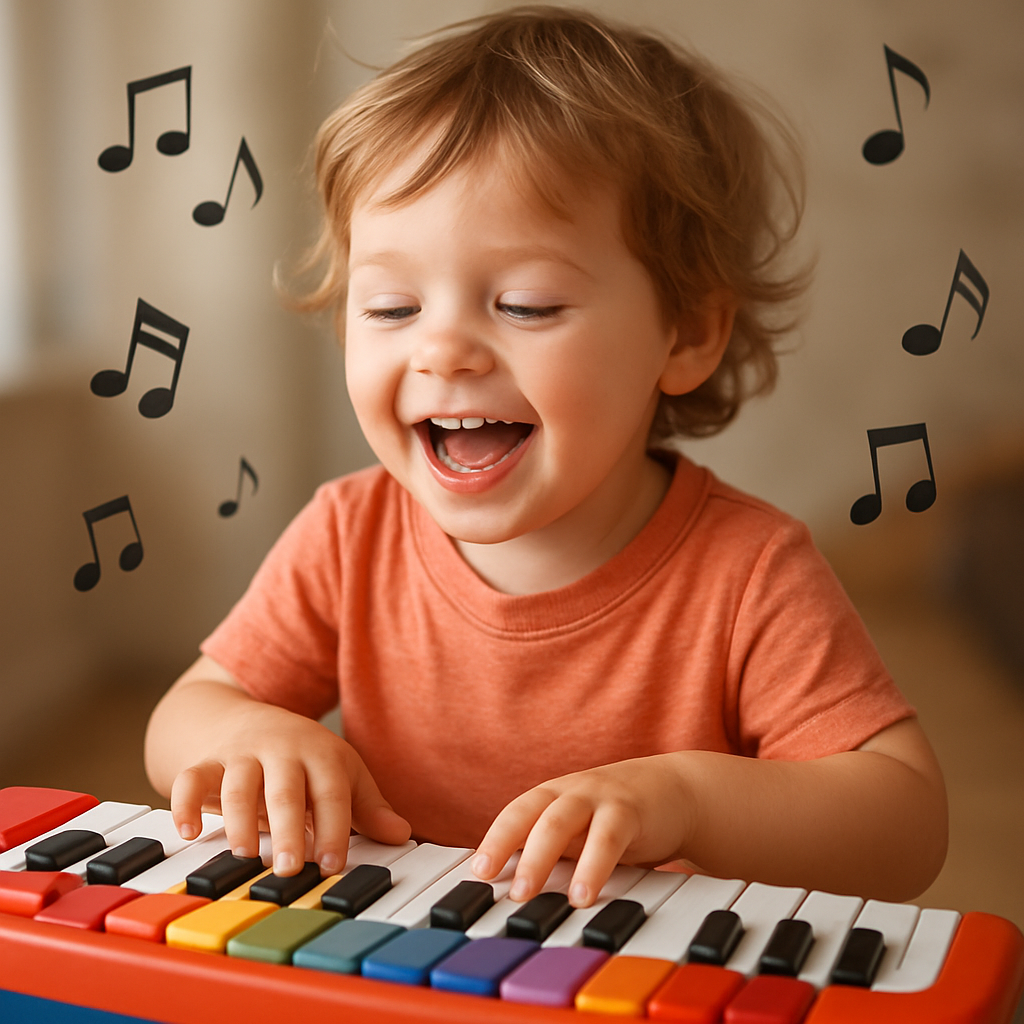
Before diving headfirst into how can I play the piano, it’s essential to lay a solid foundation. Think of this as building a house - you wouldn’t start with the roof, right? Begin by introducing your child to basic musical concepts such as notes and rhythms. Use visual aids like colorful charts or apps that make learning these concepts fun and engaging.
Start with the piano keys. Show them the names of the keys and how they correspond to notes. You can even create a game where they match colors or stickers to the keys. This not only makes learning interactive but also helps them remember better!
Use Simple Songs to Build Confidence
Nothing boosts confidence quite like playing a song they love! Start with easy piano songs that your child can recognize. Think nursery rhymes or simple pop tunes - kids love feeling like rock stars! When they successfully play their first song, it’s like giving them a gold star for their efforts.
You can find plenty of beginner piano lessons online that focus on popular songs. These resources often break down songs into manageable sections, making it easier for young learners to grasp.
Incorporate Fun Activities to Engage Interest
Kids have short attention spans, so why not incorporate some fun activities? Turn practice sessions into playful experiences! For example:
- Piano Games: Use apps that gamify learning. Many free online piano lessons come with interactive games that teach notes and rhythms while keeping kids entertained.
- Singing Along: Encourage your child to sing along as they play. This helps them understand melody and improves their overall musicality.
- Piano Challenges: Set up friendly competitions where they can showcase what they've learned, whether it's mastering a scale or playing a new song.
Key Point: Starting with the basics is vital for any aspiring pianist. By introducing musical concepts, using simple songs, and incorporating fun activities, you’ll set your child on the path to becoming a self-taught pianist in no time!
Strategy 2: Make Learning Interactive
Utilize Apps and Games for Practice
In today's tech-savvy world, learning piano online has never been more engaging! There are countless apps designed to make piano practice feel like a game rather than a chore. Think of these apps as the video game controllers of the music world-turning practice into an adventure!
For example, apps like Piano Maestro and Synthesia allow kids to play along with animated visuals that guide them through songs. These tools often feature fun challenges and levels, so your child can track their progress while feeling like a true maestro!
Create a Reward System for Achievements
No one can resist a good reward system! Kids thrive on recognition, and incorporating a few incentives can make learning even more exciting. Consider creating a sticker chart or a points system where they earn rewards for reaching milestones.
- Practice Points: Assign points for every practice session completed or song learned.
- Reward Tiers: Set different tiers of rewards, such as small prizes for 10 points and bigger ones for 50 points!
- Themed Celebrations: Celebrate when they master a new piece with a mini concert at home, complete with snacks and applause!
Takeaway: A reward system not only motivates kids but also instills a sense of achievement that encourages them to keep going. It’s like leveling up in their own personal music game!
Encourage Group Lessons or Playdates with Peers
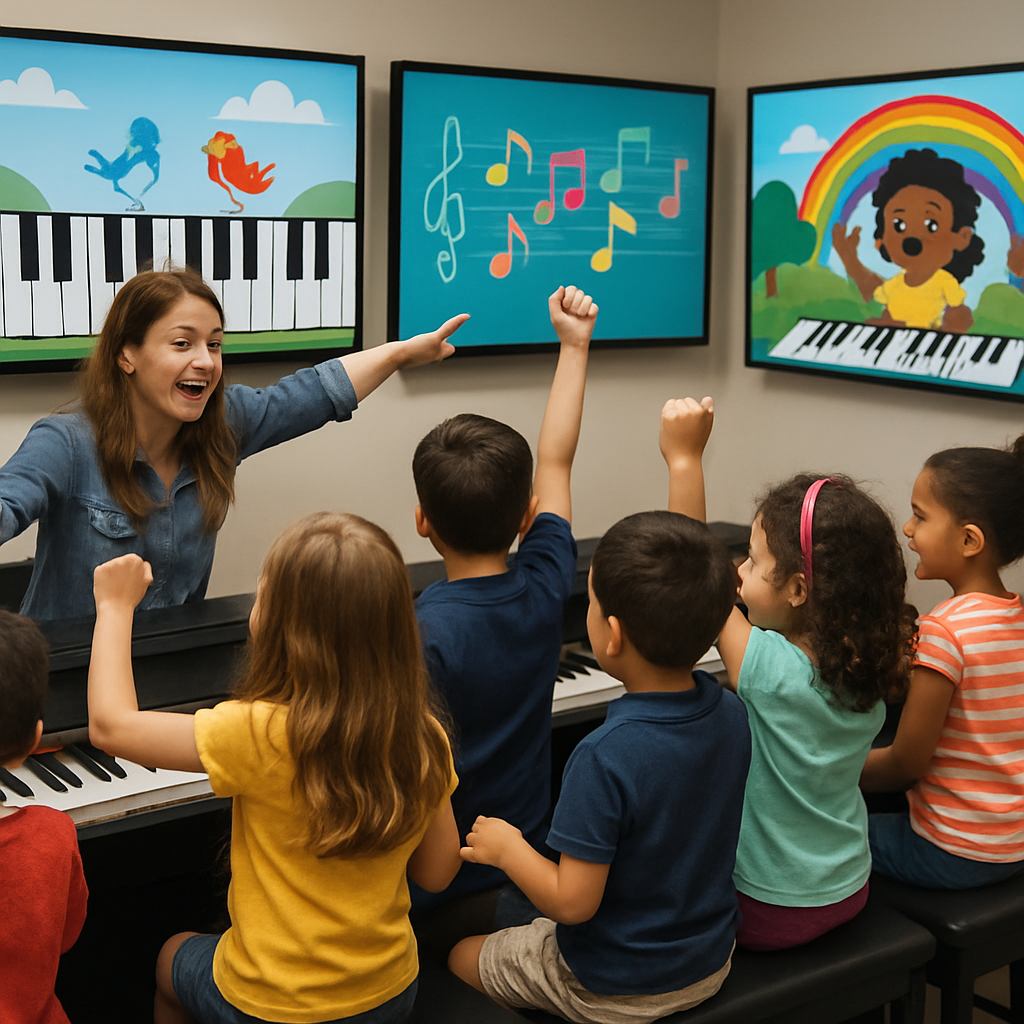
If you want to supercharge your child’s learning experience, think about group lessons or playdates! Learning alongside peers can turn the solo journey of how to learn piano at home into a collaborative adventure.
This not only makes practicing more fun but also helps develop essential social skills. Kids will learn from each other, share tips, and motivate one another to improve their basic piano skills.
- Piano Playdates: Organize get-togethers where kids can play together, share songs they've learned, or even create their own compositions.
- Group Classes: Look for local music schools offering group lessons. These classes often incorporate games and activities that foster teamwork.
- Piano Recitals: Encourage participation in recitals where they can showcase what they've learned while cheering each other on!
Main Insight: Social interaction is key in keeping kids engaged. Group settings not only enhance learning but also create lasting friendships built around their love for music.
The Final Note: Learning Should Be Fun!
The journey of teaching kids how to play the piano should be filled with joy and excitement! By making learning interactive through apps, rewards, and social experiences, you’re setting them up for success while ensuring they have loads of fun along the way.
If you're ready to dive deeper into this musical adventure, explore our resources at Piano Wizard Academy. Who knows? Your little one might just be the next musical prodigy!
Strategy 3: Foster a Positive Learning Environment
Set up a Dedicated Practice Space at Home
Creating a dedicated practice space is like setting the stage for a concert-it's where the magic happens! Choose a spot in your home that’s quiet, well-lit, and free from distractions. Think of it as their personal music sanctuary. A cozy corner with their favorite stuffed animals or colorful posters can make all the difference.
Consider adding some fun elements like:
- Musical Decor: Hang up inspiring quotes about music or images of famous pianists to spark creativity.
- Comfortable Seating: Ensure they have a comfortable bench or chair that encourages good posture while playing.
- Tools for Success: Keep essential tools like sheet music, metronomes, and even fun stickers nearby to reward progress!
Takeaway: A well-organized practice space not only enhances focus but also makes learning feel special. It’s their little corner of the musical universe!
Encourage Regular, Short Practice Sessions Instead of Long Ones
If you want to know how to learn piano at home, think quality over quantity! Kids often have shorter attention spans, so instead of marathon practice sessions that feel more like a chore than fun, aim for regular, short bursts of practice.
This could look like:
- 15-20 Minute Sessions: These are ideal for keeping their interest piqued without overwhelming them.
- Piano Practice Techniques: Use engaging methods such as playing along with their favorite songs or using apps that gamify practice.
- Themed Days: Dedicate certain days to specific skills-like “Scale Saturday” or “Funky Friday” where they can play fun tunes!
Main Insight: Short and sweet sessions can lead to improved retention and make practicing feel less daunting. Plus, it gives them something to look forward to each day!
Be Supportive and Patient During the Learning Process
The journey of learning how to play the piano is filled with ups and downs-think of it as riding a roller coaster! There will be thrilling highs when they nail that tricky song and frustrating lows when they struggle with reading sheet music for beginners. Your role as a supportive guide is crucial.
Tips for being the best cheerleader include:
- Praise Efforts, Not Just Results: Celebrate small victories! If they managed to play a scale correctly, throw in some enthusiastic applause.
- Create a Safe Space for Mistakes: Remind them that every musician makes mistakes-it’s part of mastering the keyboard. Encourage them to laugh it off and try again!
- Your Own Learning Journey: Share your own experiences with learning music or any skill. This helps normalize challenges and shows them it's okay not to be perfect right away.
Key Point: A supportive environment fosters resilience and confidence in young learners. Your encouragement will help them stick with it-even when the going gets tough!
The Final Note: Creating Joyful Learning Experiences
A positive learning environment can transform your child's piano journey into an exciting adventure! From setting up an inviting practice space to encouraging short sessions filled with laughter and support, every step you take helps instill a lifelong love for music.
If you're ready to embark on this musical quest together, explore our resources at Piano Wizard Academy. Let’s unlock those musical doors one key at a time!
Strategy 4: Incorporate Diverse Music Styles
Expose Children to Various Genres (Classical, Pop, etc.)
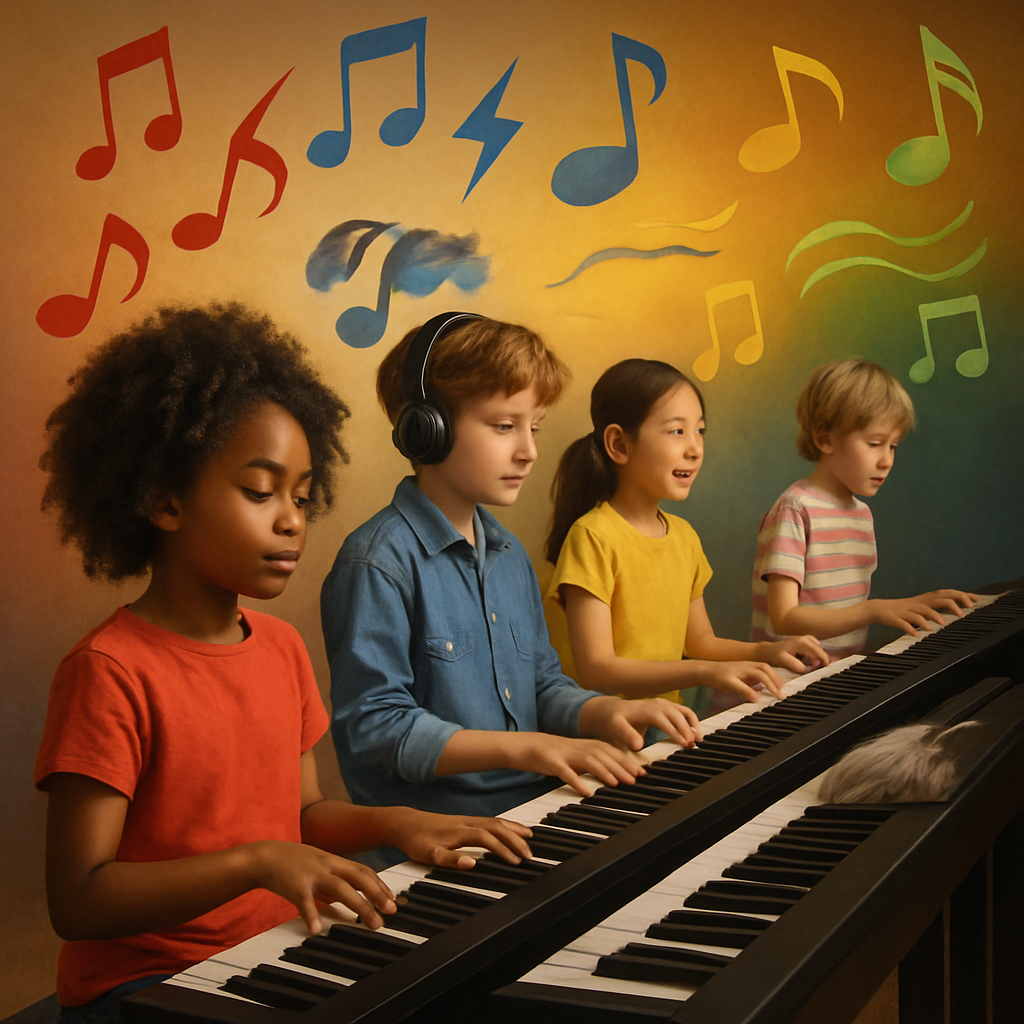
If you want to know how can I play the piano effectively, one of the best strategies is to introduce your child to a smorgasbord of musical genres! Think of it like a buffet where they can taste everything from classical masterpieces to catchy pop tunes. Each genre offers unique rhythms, melodies, and emotions that can spark their interest and creativity.
For instance, starting with classical piano music helps them appreciate the fundamentals of music theory while pop songs can make them feel like they’re in the spotlight. You might even find that your little one has a hidden passion for jazz or rock - who knows?
- Classical: Introduce them to composers like Bach and Mozart. Their structured compositions are great for developing basic piano skills.
- Pop: Choose songs from artists they love. Playing familiar tunes boosts motivation and makes practice feel less like work.
- Jazz: Encourage improvisation by exploring simple jazz pieces. This nurtures creativity and helps with playing the piano by ear.
- World Music: Explore diverse cultural styles, such as African drumming or Latin rhythms, which can enhance their understanding of rhythm and timing in piano playing.
Create Opportunities for Improvisation and Creativity
You know what’s more fun than playing someone else’s music? Creating your own! Encourage your child to experiment with improvisation. This is where the magic happens! Just like a painter uses colors on a canvas, your budding pianist can use notes to express themselves.
Try some fun activities like:
- Piano Jams: Set aside time for free play at the piano where they can explore different sounds without any pressure.
- Themed Improvisations: Pick a theme (like “Underwater Adventure” or “Outer Space”) and let them create melodies that match!
- Singing & Playing: Encourage them to sing while they play. This dual-action stimulates both sides of their brain and enhances musicality.
Main Insight: Allowing kids to improvise nurtures their creativity and confidence while making learning feel exciting!
Select Music That Resonates with the Child's Interests
Your child is more likely to engage with music that speaks to them personally. So take a little time to discover what genres or artists light up their eyes! If they adore a particular movie soundtrack or TV show theme song, incorporate those into their practice routine. It’s all about making connections!
This tailored approach not only keeps them invested but also enhances their ability to memorize music on the piano since they're already emotionally connected to it. Here are some tips for selecting music:
- Pinterest Boards: Create boards filled with sheet music from various genres that you think might catch their interest.
- Songs from Favorite Shows/Movies: Look up easy arrangements of popular songs from films or series they love!
- User-Generated Content: Explore platforms where kids share original compositions or covers; it could inspire your child!
Takeaway: By incorporating diverse music styles into your child's learning journey, you're not just teaching them how to play; you're helping them discover their musical identity!
Strategy 5: Connect Music to Other Learning Areas
Integrate Music with Math Concepts (Rhythm Patterns)
If you're wondering how can I play the piano while also boosting your child's math skills, look no further than rhythm patterns! Music and math are like peanut butter and jelly - they just go together. By understanding rhythm, your child can grasp fractions, counting, and patterns in a fun and engaging way.
For example, clapping out different rhythms can help them visualize fractions. A quarter note is like 1/4 of a whole beat, while a half note is 1/2. You could create a game where they clap out rhythms and then translate those into simple math problems. It’s like turning their piano practice into an exciting math lesson!
Use Stories or Themes That Involve Musical Elements in Lessons
Who says learning can't be an epic adventure? By incorporating stories or themes that involve musical elements into your lessons, you can turn every practice session into a magical journey! Imagine your child playing the piano while pretending to be a character in their favorite story.
You could create a storyline where each song they learn represents a chapter in their adventure. For instance:
- The Hero's Journey: Each song could symbolize a challenge the hero faces.
- The Magical Forest: Use pieces that evoke nature sounds as they "explore" different parts of the forest.
- The Space Odyssey: Choose songs that feel cosmic as they "travel through space."
Main Insight: Using imaginative themes not only makes learning fun but also helps children connect emotionally with music!
Create Cross-Curricular Projects Involving Music and Art or Science
Why stop at just music when you can combine it with art or science? Creating cross-curricular projects is like hitting three birds with one stone! For instance, you could have your child compose a piece of music inspired by their favorite science topic - think about writing a melody about the solar system!
Here are some project ideas to get those creative juices flowing:
- Musical Art: Have them create artwork based on the emotions evoked by different pieces of music.
- Piano Science Fair: Explore sound waves and vibrations by building simple instruments together.
- Cultural Exploration: Research how different cultures use music in celebrations and create presentations or performances based on what they've learned.
Takeaway: Connecting music with other learning areas not only enriches your child's education but also fosters creativity and critical thinking skills!
The Final Note: A Harmonious Approach to Learning
If you're eager to explore more ways to enhance your child's musical journey, check out our resources at Piano Wizard Academy. Together we can unlock endless possibilities through music!
Conclusion
As we wrap up our journey through the 5 proven strategies for teaching kids how to play the piano, it’s clear that learning music is not just about hitting the right keys-it's about creating a joyful experience that enriches their lives. Remember, how can I play the piano is more than a question; it's an invitation to explore a world of creativity, discipline, and fun!
Simplifying the Journey of Learning Piano for Kids
By simplifying the learning process, you're setting your child up for success. Start with basic piano skills and gradually introduce them to more complex concepts as they grow. Whether it’s through engaging apps or fun songs, every step taken is a step towards mastering the keyboard.
Utilizing resources like Piano Wizard Academy, you can find free online piano lessons that make learning feel like an exciting adventure rather than a daunting task. From understanding rhythm and timing in piano playing to reading sheet music for beginners, there are countless ways to make learning enjoyable!
The Importance of Patience and Encouragement from Parents and Teachers Alike
Patience is key! Just like any skill, mastering the piano takes time. Celebrate small victories along the way and create a supportive environment where mistakes are merely stepping stones toward improvement. Encourage your child to express themselves musically-whether they're playing their favorite pop song or improvising their own melodies-this fosters creativity and helps in playing the piano by ear.
Your role as a cheerleader cannot be overstated. Share your own experiences with learning new things; this will help them understand that everyone faces challenges-even seasoned musicians! With encouragement and love, you can help cultivate their passion for music.
Final Takeaway: Teaching kids how to play the piano is about more than just music; it’s about nurturing creativity, building confidence, and creating lasting memories together. So grab those keys, dive into this musical adventure, and watch as your child blossoms into a self-taught pianist!
If you're ready to take the next step in your child's musical journey, visit Piano Wizard Academy. Together, let's unlock their full potential through the magic of music!

Additional Resources and Support Options
Information on Local Music Classes
Finding the right environment for your child to learn piano can make all the difference. Local music classes offer a great opportunity for kids to interact with peers while learning basic piano skills. Look for community centers, music schools, or private instructors who specialize in teaching children. Many of these places also provide group lessons that can enhance social skills and make learning more enjoyable!
Here are some tips for finding the perfect class:
- Research Options: Check online reviews, ask friends, or visit local music stores for recommendations.
- Trial Classes: Many schools offer trial lessons so you can see if it’s a good fit before committing.
- Instructor Experience: Look for teachers who have experience with kids and can make learning fun!
Takeaway: A supportive local music class can provide structured learning and foster friendships, making the journey of how to learn piano at home feel less lonely.
Recommendations for Beginner Piano Books
If you're looking to supplement your child's learning with some fantastic resources, beginner piano books are a must-have! These books often combine fun illustrations with easy-to-follow instructions, making them perfect for young learners. Here’s a list of some highly recommended titles:
- Piano Adventures by Nancy and Randall Faber: This series is engaging and offers a step-by-step approach that is perfect for beginners.
- Bastien Piano Basics: A classic choice that introduces essential concepts in a clear and enjoyable way.
- The Complete Piano Player by Kenneth Baker: This book focuses on popular songs that kids will love to play!
- Piano For Dummies by Holly Day: A great resource not just for kids but also for parents wanting to understand the basics themselves!
Main Insight: Having the right beginner piano books at home can significantly enhance your child's practice sessions, making it easier to grasp piano playing tips.
Online Resources and Courses
The internet is overflowing with fantastic resources! If you’re curious about how can I play the piano, consider exploring online courses tailored specifically for kids. These courses often feature interactive lessons that keep children engaged while they learn at their own pace.
A few popular platforms include:
- Piano Marvel: Offers structured lessons along with progress tracking features that motivate young learners.
- Synthesia: A fun app that turns learning into a game by displaying falling notes as they play along.
- YouTube Channels: Channels like Piano Video Lessons, which provide free tutorials on everything from beginner songs to advanced techniques.
Tangible Tip: Make sure to check out free online piano lessons available on various platforms; they can be an excellent supplement to traditional learning methods!
Piano Apps That Make Learning Fun
Your Next Steps:If you're eager to explore more resources or find an online teacher who specializes in teaching kids how to play the piano, visit Piano Wizard Academy. They have everything you need from beginner's guides to advanced techniques!