
Introduction
First things first, let’s talk about the importance of music education for children. Research has shown that engaging with music can enhance cognitive abilities, improve memory, and even boost emotional intelligence. Think of it as a workout for the brain! Just like lifting weights strengthens muscles, music lessons for children strengthen neural connections. So when your child is learning piano, they are not just hitting keys; they are building a mental gymnasium.
Now, let’s dive into what makes beginner piano lessons so special. Whether through private piano lessons for children, group classes, or even online piano lessons for kids, the options are vast and varied. Each format has its own charm and can cater to different learning styles. For instance, some kids thrive in social settings with their peers during group piano classes for kids, while others may prefer the personalized attention offered in one-on-one sessions.
It’s also worth noting that the best piano teachers for kids know how to make learning fun! They incorporate engaging activities and interactive elements into their teaching methods. Imagine your child playing easy songs to learn on the piano while giggling at silly lyrics or dancing around as they discover new rhythms-this is what truly makes fun piano lessons for children memorable.
The beauty of these programs is that they cater to various age groups and skill levels-from toddlers just starting out with toddler piano lessons to elementary school students diving into more complex pieces during their after-school music programs. There’s something magical about watching a young pianist progress from plunking out simple tunes to creating beautiful harmonies!
Key Takeaway: Music education isn't just about playing an instrument; it's about cultivating creativity, discipline, and joy in young learners.
If you're looking to give your child a head start in this delightful adventure, consider exploring affordable piano lessons for kids. Many schools offer fantastic options like summer music camps or home-based learning kits that make it easy to integrate music into everyday life.
So buckle up! In this blog post, we’ll explore not only the ins and outs of youth piano lessons, but also share tips on how to nurture young musicians effectively. By the end of our journey together, you'll be equipped with all the knowledge you need to guide your budding maestro through their musical education!
Understanding Child Development and Music
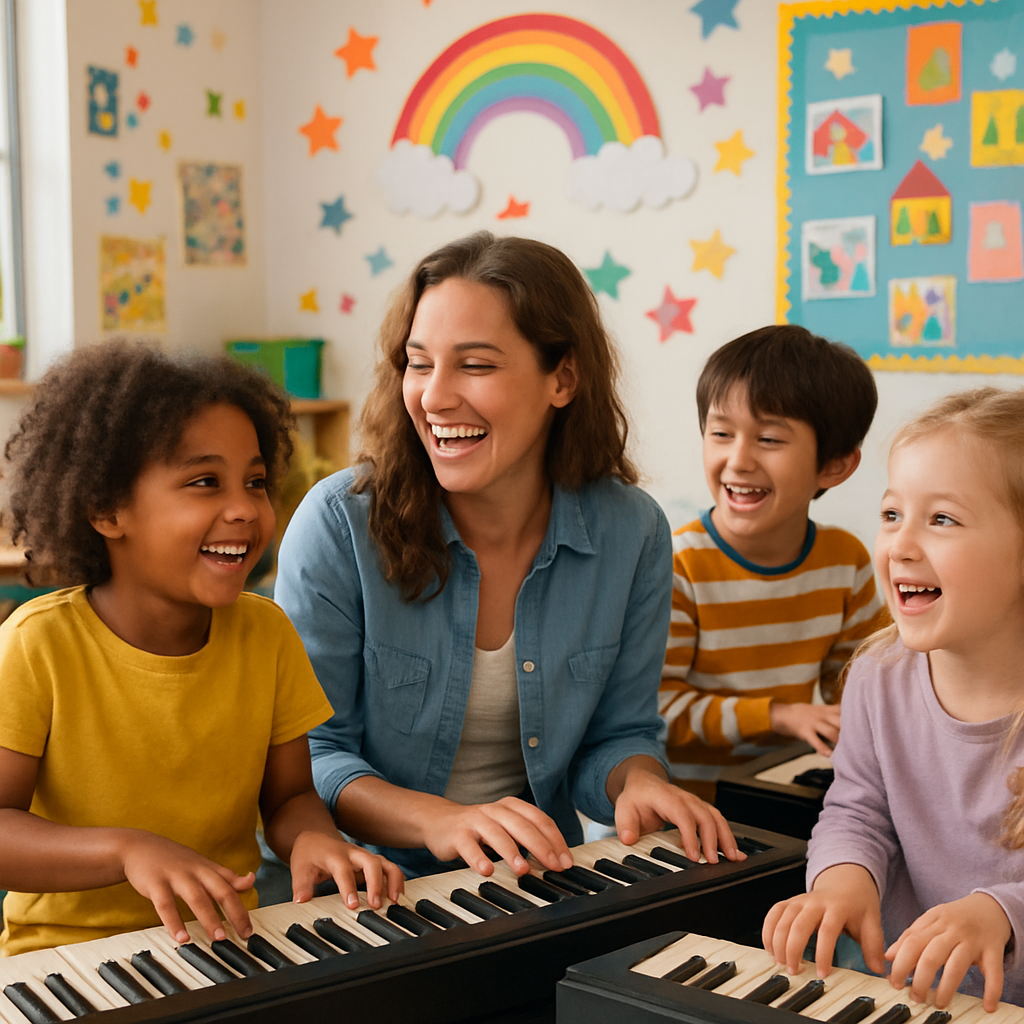
When it comes to piano lessons for kids, the benefits extend far beyond just learning to read notes and play songs. Engaging with music is like giving your child a Swiss Army knife of skills that will serve them well throughout their lives. Let’s unpack how music education intertwines with various aspects of child development!
Cognitive Benefits of Music Education
Studies have shown that music education can significantly enhance cognitive skills in children. Think of it as a brain booster shot! Learning an instrument like the piano can:
- Improve memory retention and recall.
- Enhance spatial-temporal skills, which are crucial for math and science.
- Boost concentration and focus, making homework time less of a battle.
In fact, children who participate in music lessons for children often score higher on standardized tests than their non-musical peers. It’s like turning their brain into a supercomputer!
Emotional and Social Development Through Music
The emotional landscape of childhood is vast and varied, but music serves as a universal language that helps kids express themselves. Through group piano classes for kids, children learn valuable social skills such as teamwork, empathy, and communication. They build friendships while collaborating on musical projects or performing together.
Moreover, the act of playing music can be incredibly therapeutic. It allows children to channel their emotions into creativity rather than frustration or anxiety. Imagine your little one sitting at the piano after a tough day at school - transforming their feelings into beautiful melodies instead of letting them fester!
Physical Coordination and Motor Skills Enhancement
Piano playing is not just about the brain; it's also an excellent workout for tiny fingers! Learning to play requires coordination between both hands, which helps develop fine motor skills essential for other activities like writing or sports. Here’s how:
- Finger dexterity: As kids navigate different keys, they strengthen their hand muscles.
- Hand-eye coordination: Reading sheet music while playing enhances this critical skill.
- Rhythm and timing: Understanding beats improves overall physical timing in various activities.
Key Takeaway: Enrolling your child in beginner piano lessons not only nurtures their musical talent but also equips them with essential life skills that enhance cognitive, emotional, and physical development.
If you’re considering starting your child on this musical adventure, look no further than programs that offer interactive piano lessons for kids. These classes make learning engaging and fun while providing all these developmental benefits!
The journey through children's piano instruction is not just about mastering the instrument; it's about growing well-rounded individuals ready to tackle life’s challenges with creativity and confidence. So why wait? Dive into the world of music education today!
Choosing the Right Piano Lessons for Kids
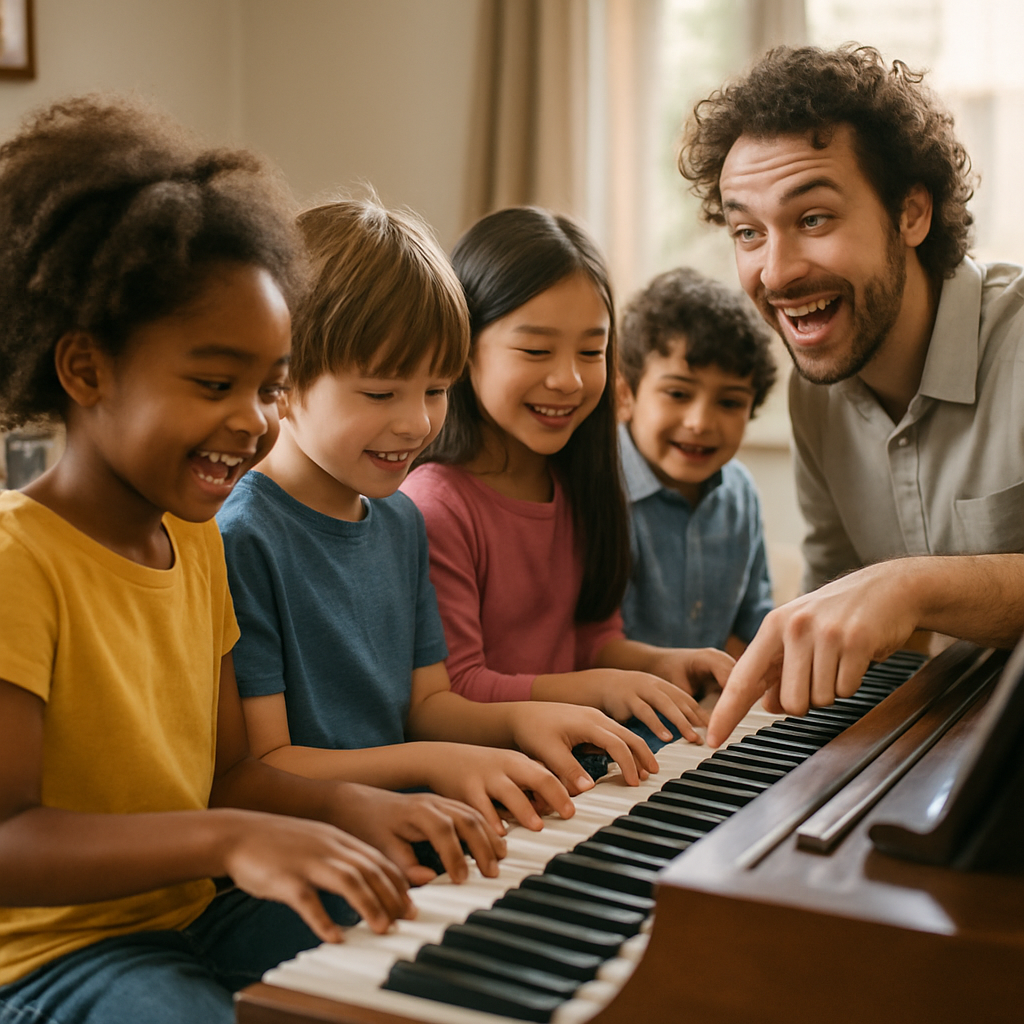
So, you’ve decided to dive into the world of piano lessons for kids. Fantastic! But hold your horses-before you sign up your little Mozart for the first class you find, let’s explore how to choose the best fit. Picking the right lessons can make all the difference between a budding passion and a “meh” experience.
Factors to Consider When Selecting Lessons
Choosing piano classes for children involves more than just finding a teacher and a time slot. Here are some key factors to keep in mind:
- Age Appropriateness: Ensure that the lessons cater to your child’s age group. Programs like toddler piano lessons or preschooler music classes are designed specifically for younger learners.
- Learning Style: Some kids thrive in social settings, making group piano classes for kids ideal, while others may need the personalized attention found in private piano lessons for children.
- Curriculum Focus: Look for programs that emphasize fun and engagement over rigid structure. After all, we want those little fingers dancing on keys with joy!
- Instructor Qualifications: A qualified children's piano teacher should not only be skilled at playing but also adept at teaching young minds.
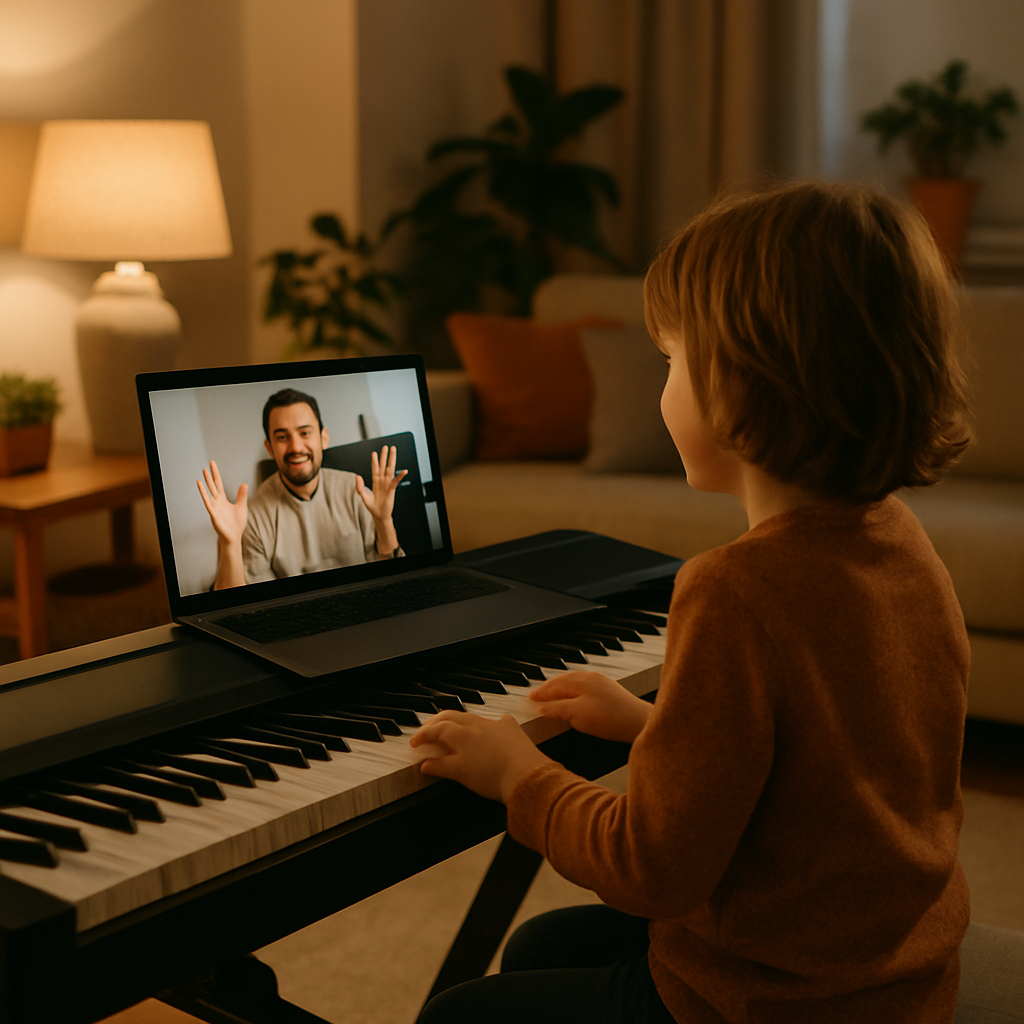
- Location and Flexibility: Consider whether you want in-person lessons or prefer the convenience of online piano lessons for kids. Flexibility can make all the difference!
Different Teaching Methods: Traditional vs. Modern Approaches
The world of music education is evolving faster than you can say “Chopsticks.” When it comes to teaching methods, there are two main camps: traditional and modern.
| Traditional Approaches | Modern Methods |
|---|---|
| - Focus on reading sheet music from day one. | - Emphasize learning through play and exploration. |
| - Often follows a structured curriculum. | - Flexible curriculum tailored to each child's interests. |
| - May include classical repertoire only. | - Incorporates popular songs and contemporary styles. |
| - Less emphasis on technology. | - Utilizes apps and online resources for interactive learning. |
Your choice between these methods will depend on your child’s personality and learning style. Kids who enjoy structure may prefer traditional approaches, while those who thrive on creativity might gravitate toward modern methods that include fun piano lessons for children!
The Role of Online vs. In-Person Lessons
The pandemic has changed how we view education, including music lessons for children. Here’s what you need to consider when weighing online versus in-person options:
- Convenience: Online courses can save time with no commute required, making them perfect for busy families!
- Scheduling Flexibility: Many online platforms offer lessons at various times, allowing you to pick what suits your family best.
- Sociability: In-person classes provide valuable opportunities for social interaction among peers-essential in developing teamwork skills!
- Tactile Learning: Some children benefit from hands-on instruction that is often easier in person; they can receive immediate feedback on their technique.
Key Takeaway: The right choice depends on your child’s unique needs and preferences. Whether it's engaging online tutorials or lively group sessions with peers, ensure that their experience is filled with joy!
If you're still unsure about which path to take, consider starting with an introductory course that offers both formats. This way, your child can dip their toes into different styles before committing fully! Remember-choosing the right kids piano courses, whether online or in-person, sets them up for success as they embark on this exciting musical journey!
Creating a Positive Learning Environment
When it comes to piano lessons for kids, the environment in which they learn can make all the difference. Think of it as setting the stage for a grand performance; a well-prepared space can inspire creativity and enthusiasm in young musicians. Let’s explore how to create that perfect atmosphere!
Setting Up a Dedicated Practice Space at Home
First things first, you’ll want to carve out a special nook in your home dedicated to music. This doesn’t have to be a full-blown concert hall! A cozy corner with good lighting and minimal distractions will do just fine. Here are some tips for setting up:
- Choose the Right Location: Pick a spot away from noise-like the TV or busy areas-so your child can focus on their beginner piano lessons.
- Make It Inviting: Decorate the space with colorful posters of musical notes or famous composers. Maybe even add some comfy seating for parents who want to join in on the fun!
- Organize Materials: Keep sheet music, practice logs, and fun music-themed books within reach. A well-organized space encourages kids to engage more with their piano instruction for kids.
- Add Personal Touches: Let your child personalize their area with stickers or drawings. This makes it feel like their own musical sanctuary.
The Importance of Encouragement and Support from Parents
Your role as a cheerleader is crucial! Kids thrive when they feel supported, so be sure to shower them with praise (even if they’re just mastering “Mary Had a Little Lamb”). Here’s how you can be that supportive presence:
- Celebrate Small Wins: Every time they learn something new, no matter how small, make it a big deal! Did they play their first scale? Throw a mini dance party!
- Avoid Pressure: Remember that learning should be fun! Avoid comparing them to others or pushing them too hard; instead, emphasize progress over perfection.
- Join Them: Participate in practice sessions when possible. Whether it's clapping along or playing duets during group piano classes for kids, your involvement can boost their confidence.
Tips for Making Practice Fun and Engaging
No one wants practice time to feel like homework! Here are some strategies to keep those little fingers flying over the keys while having a blast:
- Create Themed Practice Days: Make each session unique! One day could focus on classical pieces, while another could be all about pop songs. Mixing it up keeps things fresh.
- Incorporate Games: Use apps or games that teach musical concepts in an interactive way. Think of it as leveling up in video games but with piano skills!
- Piano Challenges: Set fun challenges, like learning an easy song within a week or composing their own short piece. Reward them with stickers or extra playtime after completing these challenges.
- Singing Along: Encourage singing while playing-it enhances memory and makes practice more enjoyable! Plus, who doesn’t love belting out tunes?
Key Takeaway: A positive learning environment fosters creativity and joy in young musicians. With encouragement from parents and engaging practices, children will not only learn piano but also develop a lifelong love for music!
If you're ready to create this magical atmosphere at home, dive into resources that offer interactive piano lessons for kids. You’ll find plenty of materials designed specifically to make learning enjoyable and effective!
Incorporating Play into Piano Lessons
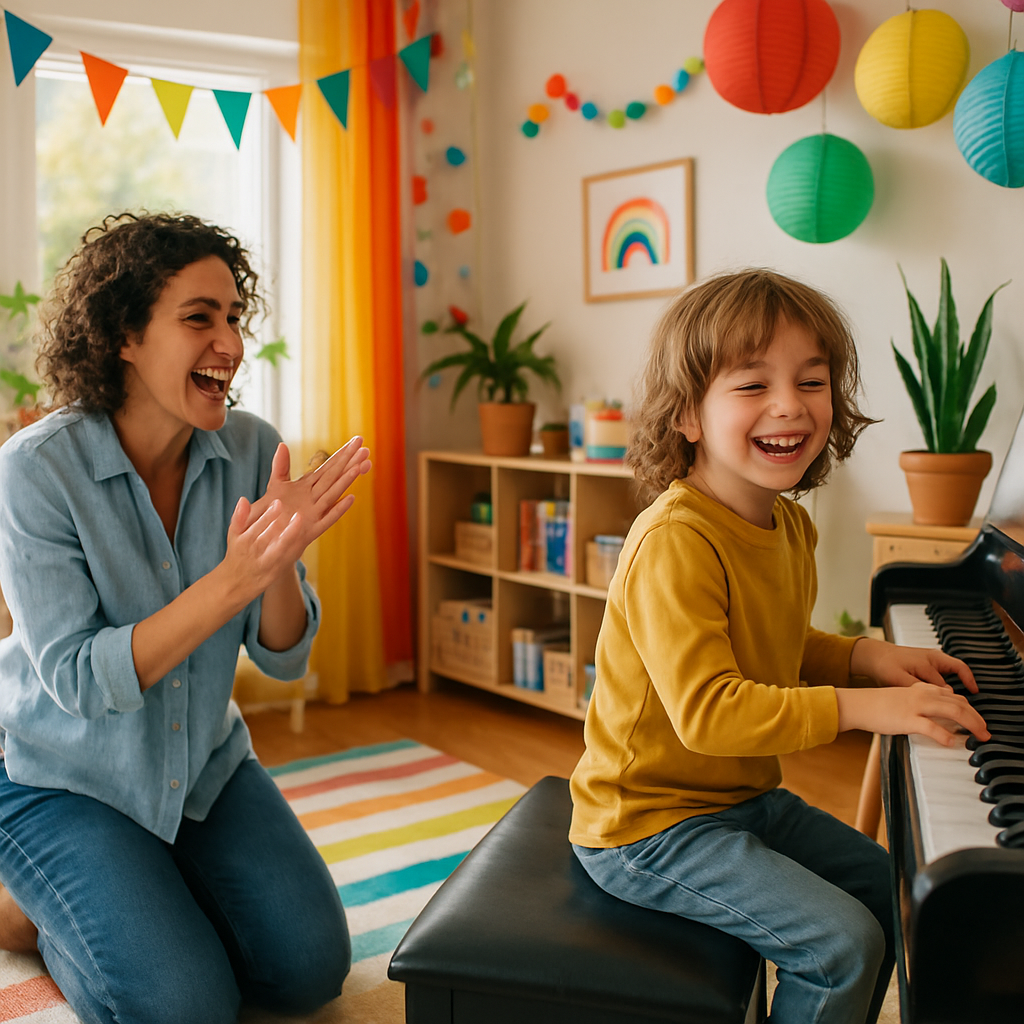
When it comes to piano lessons for kids, the secret sauce for success often lies in the playful approach. Think of it as mixing a little sugar into spinach; suddenly, it's not just nutritious but downright delicious! By incorporating play into piano instruction for kids, you can transform practice time from a chore into an exciting adventure.
Using Games to Enhance Learning Experience
Games are the ultimate tool for engaging young minds. They can turn a standard lesson into a thrilling quest! Here are some game ideas that can spice up your child's beginner piano lessons:
- Piano Scavenger Hunt: Hide flashcards with notes around the room. As your child finds each card, they must play the corresponding note on the piano!
- Musical Simon Says: Use this classic game to teach rhythm and dynamics. If you say “soft,” they play softly; if you say “loud,” they crank up the volume!
- Piano Bingo: Create bingo cards with different notes or musical symbols. As you call them out, they mark their cards while practicing their recognition skills.
The beauty of these games is that they not only make learning fun but also reinforce essential musical concepts without your child even realizing it! Plus, who doesn’t love a good competition?
The Role of Improvisation in Developing Creativity
If there’s one thing every young musician should learn, it’s that rules are made to be broken-at least sometimes! Introducing improvisation during kids piano courses allows children to express themselves freely and develop their creativity. Here’s how to weave improvisation into lessons:
- Free Play Time: Set aside a few minutes each lesson where your child can explore sounds and create their own melodies on the spot.
- Themed Improvisation: Give them a theme or story (like “a rainy day” or “a dragon flying”) and let them create music that reflects that idea.
- Call-and-Response Games: Play a short phrase on the piano and encourage them to respond with their own musical phrase.
This approach not only boosts creativity but also enhances listening skills, making them more adaptable musicians. Just remember-there are no wrong notes in improvisation, only happy accidents!
Selecting Age-Appropriate Songs That Children Love to Play
The right song can ignite passion like nothing else! Selecting age-appropriate songs is crucial for keeping young learners engaged during fun piano lessons for children. Here are some tips to help you choose tunes that will have them jumping out of their seats:
- Familiar Favorites: Opt for songs from popular movies or TV shows that your child loves-think Disney classics or catchy pop tunes!
- Simplified Versions: Look for easy arrangements of beloved songs so they can feel accomplished playing something recognizable.
- User Polls: Let your child pick songs they'd like to learn. This gives them ownership over their learning journey!
Key Takeaway: Incorporating play into children's piano instruction, whether through games, improvisation, or selecting fun songs, fosters an environment where learning becomes an enjoyable journey rather than a tedious task.
If you're looking to enhance your child's experience further, consider exploring resources that offer interactive piano lessons for kids. With these tools at hand, you'll be setting up your little maestro for success while ensuring every lesson is filled with joy and laughter!
Addressing Special Needs in Music Education
When it comes to piano lessons for kids, inclusivity is key! Every child deserves the opportunity to explore their musical talents, and that includes those with special needs. Whether your child is on the autism spectrum or has other learning differences, music can be a powerful tool for expression and growth. Let’s dive into how we can tailor piano instruction to create an engaging and supportive environment for all learners!
Tailoring Lessons for Autistic Children and Other Special Needs Learners
One of the most effective ways to make piano classes for children accessible is by customizing lessons to meet individual needs. Here are some strategies:
- Visual Supports: Use visual aids like charts, pictures, or color-coded notes to help children understand musical concepts.
- Sensory-Friendly Environments: Create a calm and quiet space for lessons, minimizing distractions that could overwhelm sensitive learners.
- Structured Routines: Establish clear routines during lessons to provide a sense of security and predictability.
- Incorporate Interests: Tailor lessons around your child's interests-whether it’s a favorite movie theme or video game soundtrack-to keep them engaged.
The Importance of Patience and Adaptability in Teaching Methods
A successful music education experience hinges on the teacher's ability to be patient and adaptable. Here are some essential qualities that make a great children's piano teacher when working with special needs learners:
- Listening Skills: Pay attention to verbal and non-verbal cues from the child; this helps in understanding their unique needs.
- Flexibility: Be willing to adjust lesson plans based on how the child responds each week. Sometimes, progress comes in unexpected forms!
- Celebrating Small Achievements: Recognize even the tiniest milestones; this boosts confidence and motivation.
- Create Inclusive Group Settings: Encourage peer collaboration during group piano classes for kids. This fosters social skills while allowing everyone to learn from one another.
Resources and Tools Available for Inclusive Music Education
The world of music education has made strides in providing resources tailored specifically for special needs learners. Here are some fantastic tools you might consider:
- Piano Learning Apps: Many apps offer interactive features designed with accessibility in mind, making learning fun and engaging.
- Sensory Instruments: Instruments like weighted keyboards can provide physical support for children who may struggle with motor skills.
- YouTube Tutorials: There are countless child-friendly piano tutorials, including options specifically designed for special needs learners.
- Audiovisual Materials: Using videos that combine visual elements with auditory instructions can enhance understanding significantly.
Key Takeaway: Creating an inclusive environment for beginner piano lessons, especially tailored towards children with special needs, requires patience, creativity, and specialized resources. By adapting teaching methods and utilizing available tools, you can help every child thrive musically!
If you're eager to explore these options further, consider reaching out to local music schools or organizations specializing in inclusive education. With the right support, your little one can embark on a joyful musical journey that celebrates their unique abilities!
The Role of Parents in Music Education
As any seasoned parent will tell you, nurturing young musicians is like planting a garden. You can't just throw some seeds in the ground and hope for the best-you need to water them, provide sunlight, and occasionally pull out the weeds. In the world of piano lessons for kids, parents play a crucial role in cultivating their child's musical journey. Let’s explore how you can be the ultimate support system for your budding maestro!
How Parents Can Support Their Child's Musical Journey at Home
Creating a supportive environment at home is essential for your child’s success in piano classes for children. Here are some practical strategies:
- Establish a Routine: Regular practice is key! Set aside specific times each week dedicated to beginner piano lessons. This helps establish consistency and makes learning part of their daily rhythm.
- Encourage Exploration: Allow your child to explore different styles of music-be it classical, pop, or even video game soundtracks. This keeps their interest alive and fosters creativity!
- Participate Actively: Join in on practice sessions! Whether it’s clapping along or playing duets during group piano classes for kids, your involvement can boost their confidence.
- Create a Music-Friendly Atmosphere: Surround your child with music! Play tunes during family time or have instruments accessible. This helps them see music as an integral part of life.
The Importance of Regular Communication with Instructors
Your child's children's piano teacher is not just another adult in their life; they are a partner in this musical adventure! Here’s how to foster that relationship:
- Stay Informed: Regularly check in with the instructor about your child's progress. This helps you understand what skills they're developing and areas where they might need extra support.
- Share Insights: If your child has specific interests or challenges, communicate these to the teacher. The more they know about your child, the better they can tailor lessons to suit their needs.
- Attend Recitals and Events: Show up for performances! Not only does this demonstrate your support, but it also encourages your child to take pride in their achievements.
- Create Feedback Loops: Encourage open dialogue between you, your child, and their instructor. This collaborative approach fosters an environment where everyone feels invested in the learning process.
Key Takeaway: As a parent, being actively involved in your child's musical education enhances their experience and growth. Your encouragement and communication with instructors can make all the difference!
If you're looking for ways to deepen this involvement, consider exploring resources that offer interactive piano lessons for kids. These tools not only enrich learning but also keep both parents and children engaged on this exciting journey together!