
Introduction
Overview of the Topic
With the rise of online piano games, piano simulators, and various educational music games, the landscape of learning to play the piano has dramatically shifted. Instead of traditional lessons with sheet music that can sometimes feel like a chore, aspiring pianists now have access to interactive platforms that make learning fun and engaging.
Imagine this: you're jamming out on a digital piano while racing against time in a rhythm game. Sounds like a dream, right? But is it effective? Experts are starting to weigh in on how these virtual experiences can complement or even replace traditional methods of learning. Spoiler alert: it's not as black and white as you might think!
Importance of Music Education for Children
Let’s face it-music education is crucial for kids. It helps develop cognitive skills, enhances creativity, and boosts emotional intelligence. When children engage with music through interactive platforms like kids piano games, they not only learn notes but also improve their coordination and concentration.
- Cognitive Development: Learning music can enhance memory and problem-solving skills.
- Emotional Growth: Music provides a healthy outlet for emotions.
- Cultural Awareness: Exposure to different genres fosters appreciation for diversity.
The beauty of using fun piano games lies in their ability to make practice feel less like work and more like play. And who doesn’t want that?
A Brief Mention of Piano Games and Their Rising Popularity
The popularity of digital piano lessons, especially through mobile apps and online platforms, has exploded in recent years. Kids (and adults!) are flocking to these tools not just for their educational value but also for their entertainment factor. Think about it: would you rather sit through an hour-long lesson or challenge yourself with a multiplayer piano game? Exactly!
Key Points:
- Piano games offer an engaging way to learn musical concepts.
- The integration of technology in music education opens up new avenues for creativity.
- Many applications now include features like metronomes or chord progression tools, making them comprehensive learning suites!
The rise of these interactive tools has led many parents to wonder if they are a valid substitute for traditional teaching methods. While some experts argue they can't replace the nuances learned from a real-life instructor, others see them as powerful supplements that can accelerate learning when used correctly.
If you're considering introducing your child to music through these innovative means, keep an eye out for quality apps that focus on both fun and educational value. After all, who knew that mastering Beethoven could come from tapping tiles on your screen?
The takeaway? Whether you're looking at educational music games, interactive sheet music games, or even more advanced options like song composition games, there’s no denying that technology is changing how we approach music education. So why not embrace it?
If you're curious about how these tools can fit into your child's musical journey, stay tuned as we explore expert insights throughout this blog post!
The Appeal of Piano Games
Engagement Factor for Children
Let’s face it: kids today are digital natives. They thrive in a world filled with screens and interactive experiences. A piano game isn’t just a game; it’s a portal to a musical universe where learning becomes an adventure. Imagine your child eagerly tapping away on a virtual piano, racking up points while mastering their favorite tunes!
This engagement factor is critical. When children play fun piano games, they are more likely to stick with their practice sessions, turning what could be a tedious task into an exciting challenge. Think of it as the difference between eating broccoli and devouring pizza-both can be good for you, but one is more appealing!
Interactive Learning Through Gameplay
Interactive learning is the name of the game-literally! With online piano games, children can engage with music theory and practice their skills in real-time. These games often incorporate elements like rhythm challenges and note recognition, making them perfect for developing essential skills.
- Real-Time Feedback: Many piano simulators provide instant feedback, allowing kids to correct mistakes on the fly.
- Progress Tracking: Players can see their improvement over time, which is super motivating!
- Social Interaction: Multiplayer piano games let friends collaborate or compete, adding a social dimension to music education.
This approach contrasts sharply with traditional methods that might involve hours of solitary practice with sheet music. Why struggle through scales when you can level up your skills while battling dragons or racing against friends?
Comparison with Traditional Learning Methods
The debate between traditional lessons and interactive music games is ongoing. Traditional methods emphasize structured learning through direct instruction, which certainly has its merits. However, many parents are discovering that these new-age tools can supplement or even enhance traditional education.
| Aspect | Traditional Learning Methods | Piano Games |
|---|---|---|
| Engagement Level | Moderate - often feels like work. | High - feels like play! |
| Cognitive Development | Focused on theory and technique. | Makes theory fun through gameplay. |
| Accessibility | Requires scheduling and travel. | Able to learn anytime, anywhere! |
The takeaway? While traditional lessons provide foundational knowledge, digital piano lessons, especially those integrated into fun gameplay, offer unique advantages that make learning enjoyable and accessible for kids. It’s not about replacing one method with another; it’s about creating a holistic approach to music education that includes both worlds!
A Final Note:
- The best results often come from combining traditional techniques with modern technology.
- Your child will likely benefit from both structured lessons and engaging keyboard games.
If you're ready to take the plunge into this exciting realm of music education, consider exploring various apps that cater to different skill levels-from beginner piano apps to advanced options featuring ear training tools and interactive sheet music games!
The world of musical instrument games, especially those focused on the piano, is brimming with potential for your child’s musical journey. So why not let them dive into this new way of learning? You might just find they’re composing symphonies before you know it!
Expert Insights on Learning Piano Through Games
Interviews with Music Educators and Psychologists
To get to the heart of the matter, we reached out to music educators and psychologists who specialize in child development. Their insights reveal a fascinating perspective on how piano games can enhance learning. According to Dr. Emily Harmon, a child psychologist, “Games can create an environment where children feel safe to explore their creativity without the fear of making mistakes.” This freedom can be crucial for young learners.
Many educators agree that interactive music games like piano tiles or virtual piano simulators help children grasp complex concepts such as rhythm and melody while having fun. They serve as a bridge between traditional learning and modern engagement techniques.
The Role of Gamification in Skill Acquisition
Gamification is more than just a buzzword; it's a powerful tool for skill acquisition. By incorporating elements of gameplay into learning, children become more invested in their progress. Think of it this way: when your child plays an online piano game, they aren’t just tapping keys-they're embarking on quests, leveling up, and unlocking new songs!
- Immediate Rewards: Many music games offer instant feedback and rewards for achievements, which keeps motivation high.
- Progressive Learning: Players often start with simple tunes before advancing to more complex pieces, mirroring traditional lesson progression.
- Social Interaction: Multiplayer features allow kids to compete or collaborate with friends, adding a social aspect that traditional lessons often lack.
This gamified approach not only makes learning enjoyable but also ingrains skills in a way that's memorable-like getting hooked on your favorite TV series!
Benefits and Limitations According to Experts
The experts we consulted highlighted both benefits and limitations of using piano games. Here’s what they had to say:
| Benefits | Limitations |
|---|---|
|
|
The consensus? While these digital platforms provide exciting opportunities for young learners, they should complement-not replace-traditional instruction methods. The ideal approach combines the structured guidance of a teacher with the engaging elements found in educational music games.
A Key Takeaway:
- The best strategy is a balanced mix of traditional lessons and innovative tools like digital piano lessons.
- Your child’s musical journey can thrive when both worlds work together!
If you’re eager to explore this blend of fun and education further, consider trying out various apps that cater to different skill levels-from beginner piano apps featuring note-reading games for kids to advanced options equipped with ear training tools!
The landscape of learning piano is evolving rapidly. With so many engaging options available, why not let your child dive into this exciting world? Who knows? They might just discover their inner Mozart while playing their favorite music game!
Benefits of Piano Games for Children
Cognitive Development Through Music
Engaging with piano games isn’t just about having fun; it’s a cognitive workout too! Research shows that learning music can enhance memory, problem-solving skills, and even spatial-temporal skills. Imagine your child mastering a virtual piano while simultaneously boosting their brainpower! It’s like giving their brain a gym membership.
When children play interactive music games, they are often required to multitask-reading notes, timing their keystrokes, and listening to the music all at once. This kind of active engagement promotes neural connections that can help with other academic subjects as well.
- Memory Boost: Learning pieces through gameplay helps reinforce memory retention.
- Problem Solving: Overcoming challenges in games can translate to better critical thinking skills.
- Focus and Attention: The need to concentrate on gameplay improves attention spans.
A study from the University of California found that children who engage in musical activities show significant improvements in cognitive abilities compared to those who don’t. So, next time your child is tapping away at a piano practice app, remember-they’re not just playing; they’re training their brains!
Building Motor Skills and Coordination
If you thought playing piano games was just about hitting the right notes, think again! These digital experiences are fantastic for developing fine motor skills and hand-eye coordination. Picture your child navigating through levels in a piano tiles game, rapidly tapping keys as colorful notes cascade down the screen. It’s like a workout for their fingers!
- Fine Motor Skills: Regular practice on a digital piano enhances dexterity.
- Coordination: Playing requires syncing hand movements with auditory feedback.
- Tactile Learning: Many mobile piano apps incorporate touchscreen features that make learning interactive and engaging.
The more they play, the more agile their fingers become-preparing them for more advanced techniques later on. Plus, who wouldn’t want to impress friends with lightning-fast finger skills?
Encouraging Creativity and Self-Expression
Piano games are not just structured lessons; they are gateways to creativity! Many platforms allow children to compose their own tunes or improvise while playing familiar songs. This freedom fosters self-expression and creativity-two essential ingredients for any budding musician.
- Sparking Imagination: Engaging with song composition games lets kids create unique melodies.
- Diverse Genres: Exposure to various musical styles helps develop personal taste and appreciation.
- No Wrong Notes: The playful nature of these games encourages experimentation without fear of judgment!
The beauty lies in how these experiences can build confidence. As children explore different sounds and styles through platforms like musical instrument games, they learn that there’s no one right way to create music-just endless possibilities!
A Quick Recap:
- Piano games enhance cognitive development by improving memory and problem-solving skills.
- Their interactive nature builds motor skills and coordination essential for playing any musical instrument.
- The creative freedom offered by these platforms encourages self-expression and artistic growth!
If you’re considering introducing your child to these engaging tools, remember: the benefits extend far beyond just learning how to play the piano. They’re fostering essential life skills along the way! So why not let them dive into an exciting world where music education meets gaming?
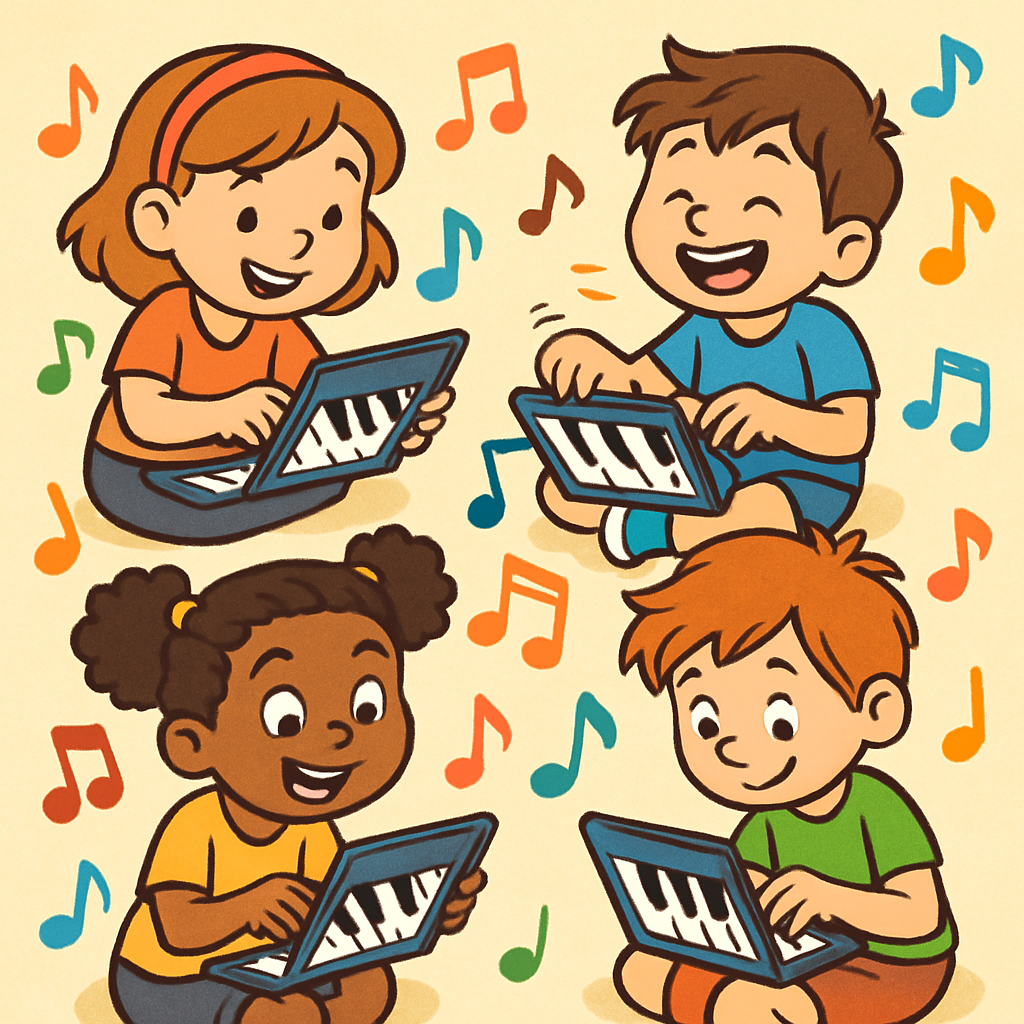
The takeaway? Embrace the power of fun piano games. They’re not just entertainment-they're an enriching experience that combines learning with joy!
Piano Games vs. Traditional Methods: A Comparison
Structure and Curriculum Differences
When it comes to learning the piano, piano games and traditional methods take two very different paths. Traditional lessons often follow a structured curriculum where students learn music theory, technique, and pieces through direct instruction. This method can be effective but sometimes feels as engaging as watching paint dry.
On the flip side, interactive music games offer a more flexible approach. They allow children to explore musical concepts in a playful environment. Imagine your child learning scales while racing against time in a piano tiles game. It's like sneaking veggies into their pizza-sneaky but effective!
- Traditional Methods:
- Structured lessons with clear progressions.
- Focus on theory and technique through direct instruction.
- Piano Games:
- Flexible learning paths that adapt to the child's interests.
- Emphasis on gameplay mechanics to teach concepts like rhythm and melody.
This difference in structure can significantly impact how children engage with music. While traditional methods build a solid foundation, piano simulators make learning feel more like an adventure than a chore!
Learning Pace and Retention Rates
The pace of learning can vary widely between these two approaches. In traditional settings, students may feel pressured to keep up with their peers or adhere strictly to lesson plans. This can lead to frustration or even burnout-like trying to run a marathon without training!
Piano games, however, cater to individual pacing. Kids can revisit challenging sections or speed through easier ones at their own leisure. Plus, the instant feedback provided by many digital piano lessons helps reinforce skills effectively.
| Aspect | Traditional Learning Methods | Piano Games |
|---|---|---|
| Pacing | Fixed pace determined by the instructor. | User-controlled pace, allowing for repetition and mastery. |
| Retention Rates | Tends to be lower due to pressure and rigidity. | Tends to be higher due to engaging gameplay mechanics. |
This flexibility not only enhances retention but also builds confidence as children progress at their own speed-like cruising down an open road instead of stuck in traffic!
User Experience and Enjoyment Levels Among Children
User experience plays a crucial role in how effectively children learn music. Traditional methods often involve lengthy practice sessions that can feel tedious. On the other hand, engaging with a music game, whether it’s on a tablet or computer, transforms practice into playtime!
A Key Point:
- Kids are more likely to stick with what they enjoy; hence, fun is key!
- User Experience in Traditional Learning:
- Tends to be less interactive; focuses on sheet music and instructor-led sessions.
- User Experience in Piano Games:
- Makes learning enjoyable through gamification elements like rewards and challenges.
- This difference is vital: when kids enjoy what they’re doing, they’re more likely to practice regularly-turning them into little musical ninjas rather than reluctant students!
The conclusion? While traditional methods lay down the groundwork for serious musicianship, integrating fun elements found in piano games can elevate the experience from mundane memorization sessions into exciting musical adventures!
If you’re weighing options for your child’s musical education, consider blending these approaches! With both structured lessons and engaging gameplay at their disposal, they might just find themselves composing symphonies before you know it!
Tips for Parents on Integrating Piano Games at Home
Selecting the Right Piano Game for Your Child’s Age and Skill Level
Choosing the perfect piano game can be as tricky as picking a favorite child (just kidding, we know that’s impossible!). Start by considering your child's age and skill level. There are beginner piano apps designed for little fingers just starting out, while more advanced options cater to those already jamming out on their digital pianos.
- For Young Beginners: Look for kids' piano games that focus on basic note recognition and simple melodies.
- For Intermediate Players: Choose interactive music games that introduce rhythm challenges and ear training.
- For Advanced Learners: Seek out apps with features like song composition games, which encourage creativity and complex musical understanding.
The key is to find a balance between fun and educational value. Remember, if they’re having a blast with the game, they’re more likely to stick with it!
Creating a Balanced Approach: Games vs. Traditional Practice
No one wants to be the parent who only lets their kid play video games all day (unless it’s a rainy Saturday, of course). To foster a healthy relationship with music education, mix traditional lessons with engaging piano simulators. Here’s how:
- Set Up a Schedule: Designate specific times for traditional practice alongside gaming sessions. Think of it as the “carrot and stick” approach-practice leads to game time!
- Create Challenges: Use piano challenges where kids can earn points or rewards by completing tasks in both traditional lessons and games.
- Incorporate Technology: Use tools like metronomes or rhythm apps within your practice to keep things fresh and exciting!
This balance not only keeps practice enjoyable but also ensures they’re developing essential skills without feeling overwhelmed. It’s like having your cake and eating it too-delicious!
Setting Realistic Expectations for Progress and Enjoyment
The journey of learning an instrument can be filled with ups and downs, much like riding a roller coaster! As parents, it's essential to set realistic expectations about progress when integrating fun piano games. Here are some tips:
- Acknowledge Small Wins: Celebrate every new song learned or level completed in their favorite music game. This boosts confidence!
- Avoid Comparisons: Each child learns at their own pace. Comparing their progress to others can lead to frustration. Remember: it’s not a race; it’s an adventure!
- Praise Effort Over Results: Encourage them by focusing on their dedication rather than just how quickly they master songs or levels.
A Quick Takeaway:
- The goal is enjoyment! If your child loves what they are doing, they will naturally want to improve.
If you keep these expectations in check while introducing them to the world of interactive music through various platforms, you’ll create an environment where learning feels less like work and more like playtime-with plenty of musical magic along the way!
The bottom line? Integrating digital piano lessons, alongside traditional methods can create a well-rounded musical experience that nurtures creativity while building essential skills. So grab those virtual keyboards, set up some challenges, and watch your little ones thrive in this exciting musical journey!
Conclusion: The Future of Music Education Through Gaming
The Evolving Landscape of Music Learning Tools
The future of music education is here, and it’s dressed in pixels and sound waves! As technology continues to advance, piano games are transforming how children learn music. Traditional methods often feel like a long road trip with no snacks, but interactive platforms are like the ultimate joyride, complete with fun stops along the way!
Imagine a world where kids can practice their scales while racing against friends in a multiplayer piano game. This is not just wishful thinking; it’s happening now! With digital piano lessons, children can learn at their own pace while enjoying engaging gameplay. No more tedious hours with sheet music-just pure musical fun!
A Call to Embrace Innovative Methods in Teaching Music
It’s time for educators and parents alike to embrace these innovative teaching methods. The integration of interactive music games into the learning process offers numerous benefits that traditional methods simply can’t match.
- Engagement: Kids are more likely to practice when it feels like play.
- Accessibility: Learning can happen anywhere, anytime-perfect for busy families!
- Cognitive Development: These games enhance memory, problem-solving skills, and coordination.
Key Takeaway:
- The best approach combines both traditional lessons and innovative tools like piano simulators.
- Your child will thrive when they have access to both structured learning and engaging gameplay!
The future of music education is bright, filled with opportunities for creativity and exploration. By leveraging the power of educational music games, we can ensure that children not only learn how to play the piano but also develop a lifelong love for music. So why not let your little ones dive into this exciting world? Who knows? They might just be the next musical prodigy!
If you’re ready to explore this new frontier in music education further, check out some fantastic resources available online. Your child’s musical journey awaits-let them take the lead!