

Introduction to Unconventional Homeschooling Curricula
Definition of homeschooling curriculum
At its core, a homeschooling curriculum is a structured plan that guides your child's education at home. Unlike traditional school settings, these curricula can be tailored to fit your family's unique needs and values. Whether you’re diving into a Montessori homeschooling method, exploring a Charlotte Mason homeschool approach, or even venturing into the realm of unschooling, the options are as varied as your imagination!
Importance of exploring unconventional options
Why stick with the same old boring textbooks when you can explore exciting alternatives? Here are a few reasons why it’s crucial to consider unconventional options:
- Diverse Learning Styles: Not every child thrives on traditional methods. Some kids learn best through hands-on experiences-think science experiments or art projects!
- Flexibility: Unconventional curriculums often allow for more flexibility in scheduling and learning pace. This is especially beneficial for families who want to incorporate STEM education in homeschool settings.
- Cultural Relevance: Many unconventional programs emphasize cultural awareness and social studies in a home-based education system, catering to today’s global society.
- Cost-Effective Solutions: With many free homeschooling curricula available online, families can find affordable resources without breaking the bank.
Overview of the benefits for diverse learners
Diverse learners come in all shapes and sizes-some may have special educational needs, while others may simply be curious explorers. Here’s how unconventional curricula can cater specifically to these unique learning styles:
- Sensory Learning: For those who thrive on tactile experiences, hands-on learning for homeschoolers is key. Incorporating fun activities like cooking or gardening can make lessons come alive!
- Interest-Led Learning: Unschooling resources allow children to pursue their passions at their own pace. If your child loves dinosaurs, let them dive deep into paleontology instead of sticking strictly to grade-level standards.
- Simplified Subjects: Many alternative programs offer integrated subjects-like combining literature studies in a homeschool environment with social studies-making learning more cohesive and less overwhelming.
- A Community Feel: Joining a homeschool co-op can provide valuable social interactions while sharing resources with other families who may also be exploring non-traditional paths.
The choice of an unconventional homeschooling curriculum can significantly impact your child's engagement and success in learning. It's about finding what resonates with them!

The bottom line? Exploring unconventional homeschooling curricula opens up a treasure trove of opportunities for your child’s education journey. Ready to dive deeper? Stay tuned as we unveil our top picks for some truly unique programs that could transform your homeschooling experience!
1. Montessori-Inspired Homeschooling Approaches
If you want to sprinkle a little magic into your homeschooling curriculum, look no further than the enchanting world of Montessori education! This approach is all about fostering independence and curiosity in children, allowing them to take the reins of their own learning journey. Think of it as giving your child a personalized treasure map to discover knowledge at their own pace.
Principles of Montessori education
The Montessori method is built on a few core principles that make it stand out in the realm of homeschooling curricula. Here’s the scoop:
- Child-Centered Learning: In a Montessori setting, children choose what they want to learn. This means they can dive into subjects that truly pique their interest, whether it's science experiments for homeschools or literature studies in a homeschool environment.
- Hands-On Learning: Forget about rote memorization! The Montessori method emphasizes practical activities and materials that engage multiple senses. Imagine kids learning math through cooking or exploring geography with maps and globes!
- Mixed-Age Classrooms: Often used in traditional Montessori schools, this principle allows older students to mentor younger ones, fostering collaboration and community. It’s like having built-in homeschool co-op activities right at home!
- Prepared Environment: The learning space is carefully designed with materials that encourage exploration and discovery. Think inviting shelves filled with colorful homeschool worksheets, art supplies, and science kits!
How it caters to different learning styles
The beauty of the Montessori approach is its adaptability to various learning styles. Whether your child is a visual learner who thrives on diagrams or an auditory learner who loves storytelling, there’s something for everyone:
- Tactile Experiences: For kinesthetic learners, hands-on projects like building models or conducting science experiments can ignite passion and curiosity.
- Visual Aids: Incorporating colorful charts and engaging illustrations can help visual learners grasp concepts more effectively.
- Auditory Resources: Using songs, stories, and discussions encourages auditory learners to engage deeply with the material.
Examples of resources and materials
Diving into a Montessori-inspired homeschooling curriculum? Here are some fantastic resources to get you started:
- Montessori Homeschool Curriculum Packages: These often include lesson plans tailored for various age groups, from kindergarten homeschooling curriculum to high school homeschooling curriculum.
- Hands-On Learning Materials: Invest in manipulatives like counting beads, geometric shapes, and nature exploration kits that promote experiential learning.
- Online Courses for Homeschoolers: Platforms offering engaging courses designed around the Montessori philosophy can provide additional support without overwhelming you.
- Community Resources: Local libraries often have free homeschooling resources that align with the Montessori method-think books on practical life skills or art projects!
The Montessori method isn't just about education; it's about nurturing lifelong learners who are curious about the world around them. By adopting these methods at home, you're setting your child up for success both academically and personally!
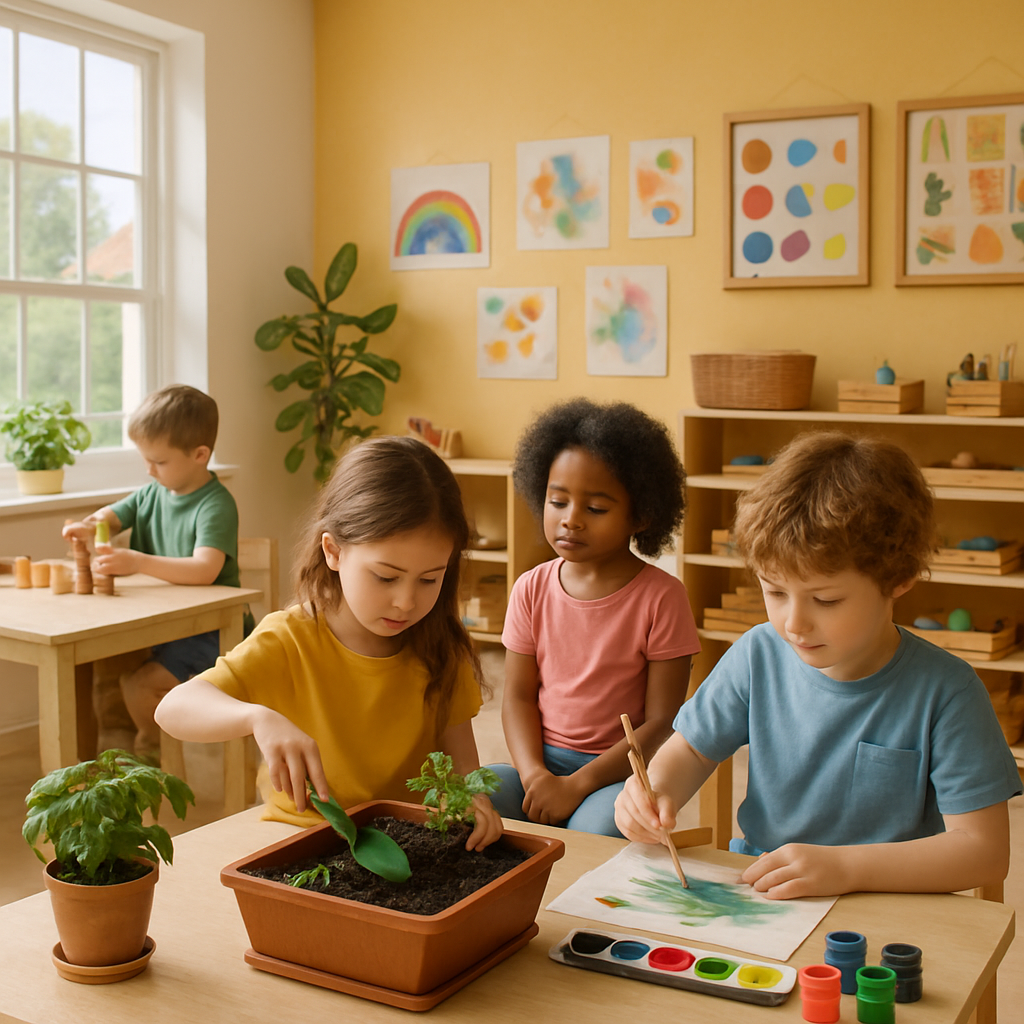
If you're ready to embrace this engaging approach to education, consider how you can incorporate these principles into your daily routine. With a sprinkle of creativity and a dash of flexibility, you'll find that Montessori-inspired homeschooling can be both fun and effective!
2. Nature-Based Learning Curricula
If you thought the classroom walls were the only place for learning, think again! Nature-based learning curricula take education outside, inviting children to explore the great outdoors as their classroom. Imagine your child discovering science through a bug hunt or diving into art by painting with natural materials. Sounds magical, right?
The philosophy behind nature-based education
At its heart, nature-based education is all about connecting children with their environment. This philosophy emphasizes experiential learning-where kids learn through direct experience rather than just textbooks. It’s like swapping out a boring lecture for an adventure in the wild!
The idea is simple: when children engage with nature, they not only gain knowledge but also develop a sense of responsibility towards the environment. Plus, it’s a fantastic way to incorporate hands-on learning for homeschoolers into your homeschooling curriculum.
Benefits for sensory development and engagement
Nature offers a sensory playground that can enhance various developmental skills:
- Sensory Stimulation: The sights, sounds, and textures of nature provide rich sensory experiences that are crucial for young learners.
- Physical Activity: Exploring outdoors encourages movement-running, climbing, and jumping-which is essential for physical development.
- Cognitive Growth: Engaging with nature stimulates curiosity and critical thinking as children ask questions and seek answers in real-world contexts.
- Emotional Well-Being: Time spent outdoors has been shown to reduce stress and anxiety levels in kids, promoting overall mental health.
Nature-based education not only nurtures academic growth but also fosters emotional resilience and social skills-making it an enriching choice for any homeschooling curriculum.
Suggestions for outdoor activities and projects
If you're ready to take your homeschooling lessons outside, here are some engaging activities to consider:
- Nature Walks: Go on scavenger hunts to find different plants or insects. Use homeschool worksheets to document findings!
- Start a small garden where children can learn about plant biology while getting their hands dirty.
- Outdoor Art: Create art using natural materials like leaves, stones, or even flower petals. It’s eco-friendly and super creative!
- Science Experiments: Conduct simple experiments like observing weather patterns or studying local wildlife habitats right in your backyard.
- Biodiversity Journals: Encourage kids to keep journals documenting their observations of local flora and fauna throughout the seasons.
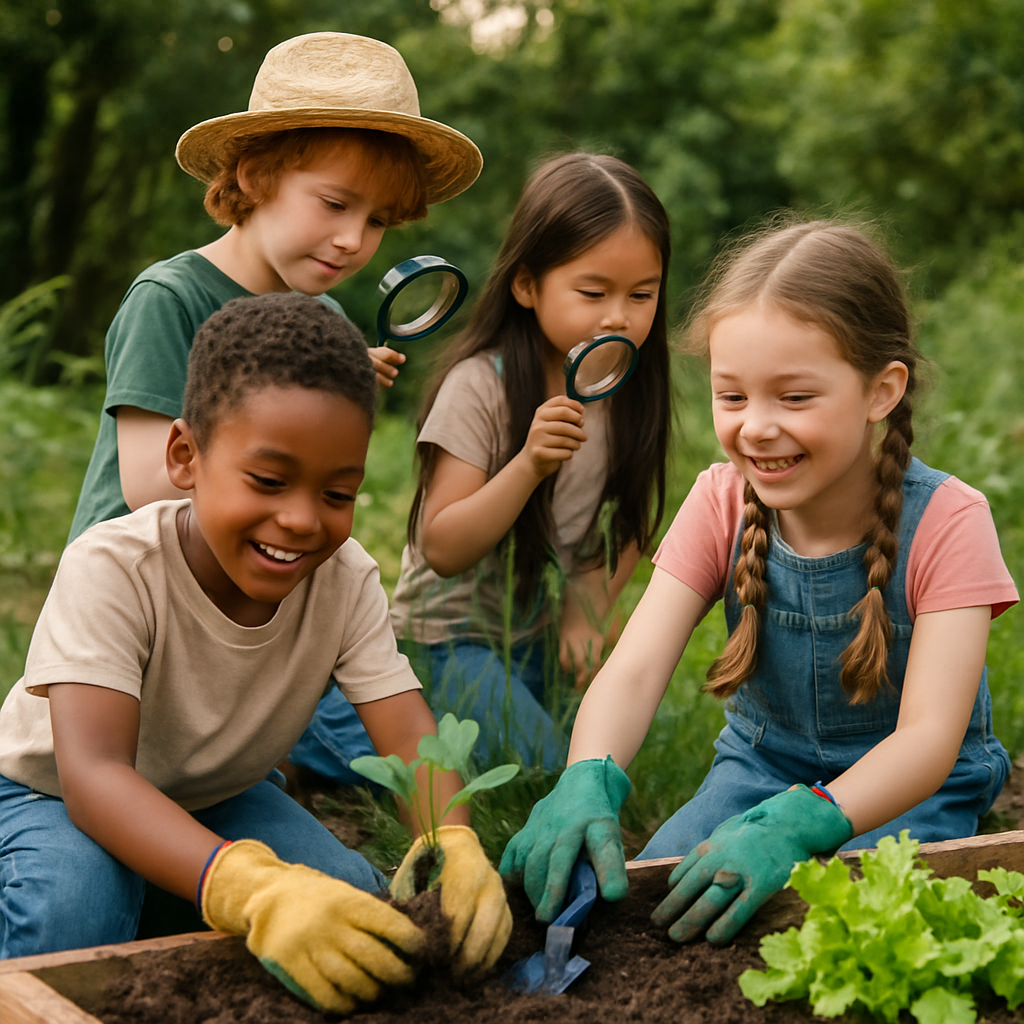
The beauty of a nature-based curriculum lies in its flexibility; you can customize activities based on your child's interests or even tie them into broader lesson plans within your homeschool curriculum packages. So whether you have a budding scientist or an aspiring artist at home, there’s something out there waiting just for them!
If you're intrigued by the idea of incorporating more nature into your child's education journey, stay tuned! Up next are our top picks for unconventional curricula that will make learning feel like an adventure.
3. Project-Based Learning Models
Welcome to the creative universe of project-based learning (PBL), where students become the architects of their own education! This approach flips the traditional classroom on its head, allowing kids to dive into real-world projects that spark their curiosity and ignite their passion for learning. Think of it as a treasure hunt for knowledge, where each project is a new adventure!
Understanding project-based learning (PBL)
So, what exactly is PBL? In a nutshell, it's an educational approach that encourages students to explore and investigate complex questions or challenges over an extended period. Instead of cramming facts into their brains for a test, kids roll up their sleeves and engage in hands-on activities that require critical thinking and collaboration. This method can be seamlessly integrated into any homeschooling curriculum, making it versatile and dynamic.
How PBL fosters critical thinking and creativity
PBL is like a magical potion for critical thinking and creativity! Here’s how:
- Real-World Relevance: Students tackle projects that resonate with their lives or community issues, making learning feel meaningful.
- Collaboration: Working in teams helps children learn to communicate effectively, share ideas, and respect diverse perspectives-skills they'll need in the real world!
- Problem-Solving Skills: Encountering obstacles during projects teaches resilience and adaptability-qualities that are essential for success in any field.
- Creative Expression: Whether through art, writing, or presentations, PBL allows children to express themselves creatively while mastering content.
PBL not only prepares students academically but also equips them with life skills that will serve them well beyond the classroom!
Examples of successful PBL curricula in homeschooling
If you’re ready to jump into the world of project-based learning, here are some stellar examples you can incorporate into your homeschool lesson plans:
- Thematic Units: Create units around themes like “The Environment” or “Community Helpers.” Kids can engage in projects like building birdhouses or interviewing local professionals.
- STEM Challenges: Design science experiments for homeschools where students create simple machines or conduct experiments on plant growth. Think science fairs, but at home!
- Cultural Exploration Projects: Dive deep into different cultures by creating presentations about various countries' traditions, foods, and languages. Bonus points if you cook a meal from that culture together!
- A Community Service Project: Encourage kids to identify a need in their community-like organizing a neighborhood clean-up-and work together to make it happen!

The beauty of PBL lies in its flexibility-it can be adapted for all ages from kindergarten homeschooling curriculum to high school homeschooling curriculum. Plus, it’s an excellent way to integrate various subjects like math programs for home education or language arts curriculum for homeschoolers into one cohesive experience.
If you're intrigued by the idea of transforming your homeschooling curriculum, consider how you might implement project-based learning strategies today. The possibilities are endless! Get ready to embark on an educational journey filled with creativity and discovery!
4. Arts-Integrated Curricula: Focusing on Music and Creativity
Welcome to the vibrant realm of arts-integrated curricula, where music and creativity take center stage in your homeschooling curriculum. Imagine a world where your child learns math through rhythm, history through theater, and science through visual arts! Sounds like a dream? It's not just a fantasy; it's a powerful approach to education that can engage diverse learners in ways traditional methods simply can't.
The role of the arts in holistic education
Arts integration is more than just adding a splash of color to your lessons; it’s about creating a holistic education experience. Here’s why it matters:
- Enhanced Engagement: When children express themselves creatively, they become more invested in their learning. Think of it as giving them the keys to unlock their own educational adventure!
- Cognitive Development: Engaging with the arts fosters critical thinking and problem-solving skills. It’s like giving their brains a workout while having fun!
- Emotional Expression: The arts provide an outlet for children to express their feelings, helping them build emotional intelligence-a crucial skill for navigating life.
- Cultural Awareness: Integrating arts into your curriculum exposes kids to diverse cultures and perspectives, enriching their understanding of the world.
Incorporating music into daily learning activities
So how can you weave music into your homeschooling routine? Here are some creative strategies:
- Singing Lessons: Turn language arts curriculum for homeschoolers into a musical experience by setting poems or vocabulary words to catchy tunes. Who said grammar can't be groovy?
- Rhythmic Math: Use clapping or drumming to teach counting or multiplication tables. It’s math with a beat-what's not to love?
- Thematic Music Days: Dedicate days to explore different genres or cultures through music, tying it back to history lessons or social studies in a home-based education system.
- Create Original Compositions: Encourage kids to write their own songs about what they're learning. It’s like turning homework into hit singles!
Resources for arts-integrated homeschooling curricula
If you're ready to dive into this creative approach, here are some fantastic resources you can use:
- Online Courses for Homeschoolers: Many platforms offer courses that integrate music and art into various subjects, making learning engaging and fun.
- Arts Curriculum Packages: Look for comprehensive packages that include lesson plans focused on integrating art across subjects-from science experiments for homeschools to literature studies in a homeschool environment.
- Community Art Projects: Collaborate with local artists or organizations that offer workshops or co-op activities focusing on different art forms.
- Educational Games for Homeschooling Families: Explore games that promote creativity while reinforcing academic concepts-think musical memory games or art-themed trivia!
An arts-integrated approach not only enriches your child's education but also fosters creativity and critical thinking skills essential for success in our ever-evolving world.
If you're excited about blending music and creativity into your homeschooling journey, why not start today? Gather some materials, crank up the tunes, and watch as your child's love for learning flourishes through the magic of the arts!
5. Technology-Enhanced Learning Programs
Welcome to the digital age of education, where technology-enhanced learning programs are revolutionizing the way we approach homeschooling curriculums. Gone are the days of dusty textbooks and chalkboards-now, we have interactive apps, online courses for homeschoolers, and a treasure trove of resources right at our fingertips!
The impact of technology on modern education methods
Let’s face it: technology has changed everything. From the way we communicate to how we shop for groceries, it’s no surprise that education is riding the digital wave too. Here’s how tech is reshaping homeschool learning:
- Accessibility: With countless free homeschooling curriculums and resources available online, families can access quality education without spending a fortune.
- Diverse Learning Modalities: Technology accommodates various learning styles-visual, auditory, and kinesthetic-making it easier to tailor lessons to your child’s needs.
- Engagement: Interactive platforms turn mundane lessons into exciting adventures. Imagine learning math through gamified challenges or exploring science with virtual labs!
- Global Connections: Online communities allow homeschoolers to connect with peers worldwide, enriching their educational experience with diverse perspectives.
Examples of innovative tech-based curricula for homeschoolers
If you’re ready to dive into the world of technology-enhanced learning, here are some standout options that could spice up your homeschooling curriculum:
- Khan Academy: A free online platform offering comprehensive lessons in subjects ranging from math programs for home education to language arts curriculum for homeschoolers.
- Outschool: This platform connects students with live classes on various topics-from STEM challenges to arts-integrated curriculums-taught by passionate educators.
- Prodigy Math: An engaging game that makes math practice fun! Kids can learn at their own pace while battling monsters and completing quests.
- Epic!: A digital library filled with thousands of books and audiobooks designed specifically for kids. Perfect for literature studies in a homeschool environment!
Tips for balancing screen time with traditional learning methods
The digital world is full of wonders, but moderation is key! Here are some tips to ensure a healthy balance between screen time and traditional learning methods:
- Create a Schedule: Set specific times for tech usage versus hands-on activities. This helps establish a routine that incorporates both digital and traditional methods.
- Incorporate Offline Activities: Pair online lessons with offline projects. For example, after an online science experiment, conduct a related hands-on activity like building a model volcano!
- Pursue Nature-Based Learning: Encourage outdoor exploration as part of your curriculum. Nature walks can complement lessons learned through technology while providing sensory stimulation.
- Cultivate Critical Thinking: Use technology as a tool for inquiry-based learning. After watching an educational video, have discussions or debates about its content to foster critical thinking skills.
The integration of technology into your homeschooling curriculum can supercharge your child's educational journey! Just remember: balance is key to ensuring they reap the benefits without getting lost in the screen time vortex.
If you’re excited about leveraging technology in your homeschooling journey, consider which programs resonate most with your child’s interests and needs. With endless possibilities at your disposal, you’re well on your way to crafting an engaging and effective homeschooling curriculum.
Conclusion: Finding the Right Fit for Your Child's Learning Journey
As we wrap up our exploration of unconventional homeschooling curricula, it’s essential to remember that the best path for your child is as unique as they are. Think of it like choosing a playlist for a road trip-what works for one family might not hit the right notes for another. The key is to find a curriculum that resonates with your child's interests, learning style, and educational goals.
Considerations for choosing the right curriculum
Before you dive headfirst into selecting a homeschooling curriculum, here are some golden nuggets of wisdom to keep in mind:
- Identify Learning Styles: Observe how your child learns best. Are they hands-on learners who thrive with science experiments for homeschools? Or do they prefer reading and discussion, making literature studies in a homeschool environment their jam?
- Flexibility Matters: Look for curricula that offer flexibility in pacing and scheduling. This is particularly beneficial if you're considering unit studies for homeschoolers, which can be tailored around your child's interests.
- Cultural Relevance: Choose programs that reflect your family's values and beliefs. Whether you lean towards a secular homeschooling curriculum or a Christian homeschooling curriculum, it’s vital to align educational content with your family’s worldview.
- Budget-Friendly Options: There are plenty of affordable homeschooling resources. Explore free or low-cost options to ensure you don’t break the bank while providing quality education.
- Community Engagement: Consider joining local homeschool co-ops or online forums where you can share resources, ideas, and support with other families navigating similar journeys.
The importance of trial and error
No one gets it right on the first especially when it comes to education! Don’t be afraid to experiment with different curricula until you find what clicks. You might start with an online homeschooling curriculum only to discover that hands-on learning through arts-integrated curricula suits your child better.
Your child’s educational journey is not just about meeting standards; it's about igniting a passion for lifelong learning. So embrace the process, adapt as needed, and make adjustments along the way!
The bottom line? Choosing the right fit among unconventional homeschooling curricula can transform your child's learning experience from mundane to magical. Take your time, explore options like project-based learning models or technology-enhanced learning programs, and remember: it's all about finding what sparks joy in your child's educational journey!
If you're ready to embark on this exciting adventure, don't hesitate! Dive deeper into our top picks from earlier sections or connect with fellow homeschooling families who can share their experiences. Happy homeschooling!