
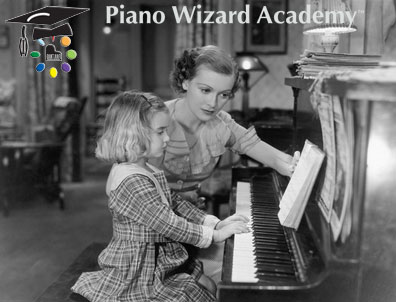
Discover the joy of piano playing by learning songs that suit your skill level. Whether you're a beginner just starting or an advanced player looking to master complex pieces, there's a world of music waiting for you. This guide will walk you through the process of learning piano songs, providing tips and resources to enhance your musical journey.
The Joy of Learning Piano Songs
There's nothing quite like the joy that comes from learning piano songs, whether you're a curious beginner or a seasoned player. Imagine the moment when your fingers glide seamlessly across the keys, producing melodies that once seemed elusive. This journey from simple to complex is not just about mastering notes; it's about embracing the process of musical discovery.
Why Learning Songs is So Enjoyable
- Instant Gratification: Playing a recognizable tune, even at its simplest form, can give you an immediate sense of accomplishment. It's like nailing the perfect pancake flip on your first try—surprisingly satisfying.
- Emotional Connection: Music has an incredible ability to evoke emotions. When you learn to play popular songs on the piano, you're not just playing notes; you're telling stories and expressing feelings that resonate with both you and your listeners.
- Cognitive Benefits: Studies have shown that playing music enhances brain function in children and adults alike. According to research by Harvard University, musical training improves memory and attention skills (Harvard.edu).
- Social Sharing: Sharing music with family and friends creates bonds and memories. Whether it's a sing-along session or a mini-concert in your living room, these moments are cherished forever.
If you're just starting out on this melodic adventure, consider diving into some beginner piano songs. Simple melodies like "Twinkle Twinkle Little Star" or "Mary Had a Little Lamb" can be incredibly rewarding for novices. As you progress, you'll find yourself tackling more challenging pieces such as Beethoven's "Fur Elise" or Chopin's "Prelude in E Minor."
Navigating Your Musical Journey
The key to truly enjoying learning piano songs lies in setting realistic goals and celebrating small achievements. Remember, even Mozart started with basic tunes! Utilize online resources like video tutorials for piano songs or interactive apps that offer step-by-step guidance tailored to your pace.
If you're ready to explore more complex compositions but feeling apprehensive about reading sheet music for piano songs, fear not! Our resource guide on how to read piano music can be your trusty companion as you navigate the dots and lines of musical notation.
At Piano Wizard Academy, we believe that everyone deserves to experience the transformative power of music. So why wait? Begin your journey today and discover new piano tunes to play!
Beginner Piano Songs: Start with Simple Melodies
Dear Parents, imagine a world where your child's fingers dance across the piano keys, creating melodies that make their hearts sing. Beginning the journey to learn piano songs can be an enchanting experience for children, akin to embarking on an adventure in a magical music land.
The key—pun intended—is starting with simple melodies. Think of these as the stepping stones your young Beethoven will hop across on their way to musical mastery. Let’s explore some delightful beginner piano songs that are not only simple but bring immense joy and accomplishment.
The Charm of Simplicity: Easy Tunes to Begin With
- "Twinkle Twinkle Little Star": A timeless favorite, this song is as easy as it is beautiful. Its repetitive melody helps reinforce note recognition and rhythm.
- "Mary Had a Little Lamb": The simplicity of this song makes it perfect for beginners. It’s one of those songs where learning becomes as comforting as a warm blanket on a rainy day.
- "Happy Birthday": Not only does it teach key fundamentals, but it's also practical—every kid loves surprising family members with this tune on their special day!
- "Ode to Joy": This classic piece by Beethoven offers an engaging challenge, gradually introducing beginners to more complex finger movements while remaining within everyone's grasp.
Why Start Simple?
Starting with simple tunes isn't just about making it easy—it's about building confidence and enjoyment. Studies show that early successes in learning can motivate continued engagement (Source: SAGE Journals). Plus, learning easy piano songs provides foundational skills that are crucial for tackling more complex pieces down the line.
A Friendly Tip or Two
- Practice Daily: Even if it's just for 10 minutes a day, consistency is key! Regular practice helps reinforce memory and improvement over time.
- Create a Fun Environment: Make practice sessions enjoyable by incorporating games or challenges. After all, music should feel like playtime!
If you’re ready to encourage your child to dive into these delightful tunes, consider checking out online resources for step-by-step piano song lessons. These can provide structured guidance that's both educational and entertaining.
Remember, every musician once started with their first note—the first step towards a lifelong love affair with music. Encourage your young ones to take that step with simple melodies and watch them light up like stars performing at their very own concert!
Using Online Piano Lessons and Tutorials
In today's digital age, learning to play piano songs has never been more accessible or enjoyable. Whether you're just starting with beginner piano songs or looking to master complex pieces, online piano lessons and tutorials offer a dynamic approach to learning that's hard to beat. Here's why leveraging these resources can amplify your musical journey and help you discover new piano tunes to play.
The Interactive Edge
- Interactive Platforms: Unlike traditional methods, platforms like YouTube or specialized websites offer a plethora of interactive tutorials that cater to all skill levels. This means you can learn at your own pace, rewind sections that are tricky, and even slow down the tempo when tackling challenging segments.
- Video Tutorials: Watching someone else’s fingers dance across the keys can be enlightening. Video tutorials for piano songs enable learners to visually grasp finger movements and hand placements, making it simpler to replicate on their own keyboards.
A Diverse Selection of Resources
- Diverse Song Libraries: Online platforms boast extensive libraries ranging from easy piano songs to learn for beginners like "Twinkle Twinkle Little Star," all the way to advanced compositions by Beethoven or Chopin. This variety ensures there's always something new waiting in the wings.
- [Free Resources](https://pianowizardacademy.com/blog/music-in-school/top-ten-things-to-consider-when-choosing-a-music-school/): Many websites offer free sheet music for piano songs, making it easy for budding musicians on a budget to get started without breaking the bank.
Expert Guidance Anytime, Anywhere
The beauty of online lessons is that they often feature expert instructors who provide step-by-step piano song lessons. For instance, [this article](https://pianowizardacademy.com/helpdesk/knowledgebase.php?article=66) discusses how understanding music theory can dramatically enhance your learning experience by helping you recognize patterns in sheet music more easily.
If you've ever struggled with how to read piano music or felt overwhelmed by famous piano pieces to learn, then these online resources are your ally. They break down even the most daunting classics into manageable chunks that build your confidence as you advance.
Tackling Difficult Pieces with Confidence
Online tutorials often come equipped with tips for learning difficult piano pieces. It's like having a virtual mentor by your side who gently nudges you forward whenever you're stuck in a rut—or when you've played "Mary Had a Little Lamb" one too many times!
If you're ready for a playful adventure on the keys—one where each note brings joy and discovery—then it's time to dive into the world of online piano lessons and tutorials. The possibilities are as endless as an arpeggio run across an 88-key grand! 🎹
Remember, every great musician started where you are now: at the beginning. So why not make every practice session feel less like work and more like play?
Intermediate Pieces: Building Complexity in Your Repertoire
So, you've mastered the beginner pieces and are ready to take it up a notch? Welcome to the exciting world of intermediate piano songs! This stage not only enhances your skills but also introduces you to a new realm of musical complexity and richness. Think of it as moving from riding a tricycle to cruising on a bicycle – without training wheels!
Why Intermediate Pieces Matter
Intermediate pieces serve as the bridge between simple melodies and advanced compositions. They challenge your dexterity, improve your understanding of music theory, and broaden your repertoire. Plus, they give you serious bragging rights at family gatherings (hello, holiday concerts!).
Popular Intermediate Piano Songs to Explore
- "Fur Elise" by Ludwig van Beethoven: A classic that introduces you to arpeggios and dynamic contrasts.
- "River Flows in You" by Yiruma: Perfect for enhancing emotion through music with its flowing melody.
- "Clair de Lune" by Claude Debussy: Offers a gentle introduction to impressionistic music styles.
- "The Entertainer" by Scott Joplin: A ragtime piece that sharpens rhythm and syncopation skills.
Tips for Tackling Intermediate Pieces
- Break It Down: Focus on small sections before attempting the entire piece. This approach prevents overwhelm and builds confidence over time.
- Understand the Context: Knowing the historical background can enhance your interpretation and connection with the music.
- Master Pedal Techniques: This is where using the sustain pedal becomes crucial in adding nuance to your playing.
- Improvise and Experiment: Don’t be afraid to put your own spin on things. Improvisation is key to personalizing your performance.
The Role of Online Resources
Navigating through this stage can be challenging, but modern technology makes it easier. There are tons of online piano lessons offering step-by-step piano song lessons, video tutorials for piano songs, and even interactive piano song learning platforms that cater specifically to intermediate learners. Utilizing these resources can accelerate your progress significantly while making learning more enjoyable.
The Joy of Mastering Intermediate Pieces
The reward? The sheer joy of expressing yourself through more complex piano pieces and impressing not just others but yourself! As you learn piano songs at this level, remember it's more about enjoying the journey than rushing to the finish line. After all, great things take time – much like perfecting that homemade lasagna recipe!
Dive into these intermediate treasures with enthusiasm, patience, and curiosity. You'll soon discover that each new piece not only enriches your musical repertoire but also enhances your overall musicianship. Happy playing!
Tackling Advanced Piano Song Lessons
Congratulations, maestro! You've navigated the labyrinth of beginner and intermediate pieces, and now you stand on the precipice of advanced piano song lessons. While this stage might feel daunting, it's also where the magic happens, as you challenge your skills and deepen your artistry.
Understanding Music Notation
Advanced songs demand a firm grasp of music notation. Think of it as deciphering an ancient script—once you master it, a world of musical stories unfolds before you. Resources like our comprehensive guide can be your companion in this journey.
- Time Signatures: Explorations into odd time signatures like 5/4 or 7/8 will become more frequent.
- Complex Rhythms: Expect syncopations and polyrhythms that test your timing prowess.
- Advanced Dynamics: From pianissimo to fortissimo, nuanced expression is key.
The Art of Practice
Diving into advanced piano pieces isn't just about playing notes; it's about mastering techniques.
- Segmented Practice: Break down compositions into manageable sections. Tackle them individually before assembling the puzzle.
- Slo-Mo Rehearsals: Play at reduced speed to perfect each note and transition. The tortoise really does win here!
- Mental Rehearsal: Visualizing yourself performing can enhance muscle memory and confidence—a method endorsed by many great pianists.
Diverse Repertoire: Explore Beyond the Classics
Your advanced journey can include well-loved classics as well as contemporary pieces. From Rachmaninoff’s rhapsodies to Ludovico Einaudi’s evocative scores, there is a vast ocean of music waiting to be explored. Here are some recommendations to add variety to your repertoire:
- "Prelude in C-sharp minor" by Rachmaninoff - A hauntingly beautiful piece that challenges with its dynamic contrasts.
- "Nuvole Bianche" by Ludovico Einaudi - A modern classic with its lyrical melodies offering emotional depth.
- "Revolutionary Etude" by Chopin - A whirlwind of notes that tests speed and dexterity in equal measure.
If you're feeling overwhelmed, remember that even Mozart had his off days (as legend has it). The key is consistency and enthusiasm for learning. If you're curious about how improvisation can fit into advanced learning, check out our take on it in our article on The Philosophy of Improvisation.
This stage is truly transformative. Embrace the challenges with open arms—and perhaps a metronome in hand—and you'll soon find yourself not just playing music but breathing life into every note you touch.
The Art of Learning Classical Piano Songs
Embarking on a journey to learn piano songs, especially classical ones, is akin to setting foot in a historical tapestry of musical genius. Classical music, with its intricate compositions and emotive power, presents both a challenge and an opportunity for budding pianists. Whether you're a beginner fascinated by Beethoven or an advanced player drawn to Chopin's complex pieces, learning classical piano songs can enrich your musical journey like nothing else.
Why Choose Classical?
- Emotional Depth: Classical music taps into a wide range of emotions. From the joy of Mozart to the intensity of Rachmaninoff, it offers something for every mood.
- Cognitive Benefits: Studies have shown that learning classical music can enhance brain function and improve memory (source: [Harvard Health](https://www.health.harvard.edu/blog/)). Engaging with these pieces can sharpen your cognitive abilities and fuel creativity.
- Technically Enriching: The complexity of classical compositions can significantly improve your technical skills. Whether it's mastering arpeggios or perfecting your sustain pedal usage—an essential skill you can learn [here](https://pianowizardacademy.com/campus/blog/beginner-piano-lessons/how-to-use-the-sustain-pedal-on-piano-keyboard/)—classical pieces are masterclasses in technique.
Getting Started with Classical Piano Songs
If you're just starting out, it might be wise to begin with some popular beginner piano songs from the classical repertoire. Here are a few recommendations:
- "Prelude in C Major" by Bach: A simple yet beautiful piece that introduces you to the world of counterpoint and harmony.
- "Ode to Joy" by Beethoven: This joyful melody is perfect for beginners and offers a gratifying sense of achievement when mastered.
- "Clair de Lune" by Debussy: Although slightly more advanced, this piece's dream-like quality makes it an aspirational goal for many pianists.
Tackling Advanced Pieces
If you're ready to dive deeper into more complex compositions, consider exploring works such as Liszt's "La Campanella" or Beethoven's "Moonlight Sonata." These pieces not only test your technical prowess but also offer profound satisfaction upon mastery.
The Best Resources for Learning
The journey to master classical piano songs is best supported with comprehensive resources. Online platforms offer abundant materials—from video tutorials for piano songs to sheet music for piano songs—that cater to every level. For those looking for structured guidance, our blog on ["The Philosophy of Improvisation"](https://pianowizardacademy.com/campus/blog/advanced-piano-lessons/the-philosophy-of-improvisation/) explores how understanding improvisation can enhance your overall musicality.
Diving into the world of classical music not only allows you to play popular songs on the piano but also helps you connect with composers' intents across centuries. It's truly an artistic adventure worth embarking on!
Free Resources & Sheet Music for Learning Piano Songs
Let's face it, learning to play piano songs can sometimes feel like trying to ride a unicycle while juggling flaming swords. But worry not! The internet is here to save the day with a plethora of free resources that will turn those daunting notes into delightful melodies. Whether you're just venturing into the world of beginner piano lessons or refining your skills with advanced pieces, there's something for everyone.
Dive Into Digital Libraries
- IMSLP (International Music Score Library Project): This online treasure trove offers access to thousands of pieces of sheet music from a wide array of composers. It's like Netflix but for piano music, and the best part—it's totally free!
- Musescore: If you're looking for a community-driven platform where musicians share their compositions and arrangements, Musescore is your go-to. The site provides an easy way to download sheet music and offers an app that lets you carry your favorite tunes right in your pocket.
Piano Tutorials Galore
Piano tutorials are the GPS navigation system for learning piano songs, guiding you step-by-step through each piece. Some top picks include:
- YouTube Channels: Channels like "Piano Tutorial Easy" and "HDpiano" offer visual guides on how to play popular songs on piano—perfect for visual learners who want to see every note being played.
- Pianu: An interactive online platform that turns learning into an engaging game-like experience. It offers lessons on popular songs as well as exercises to help improve your technique.
Free Sheet Music Sites
If you're more of a paper person (or simply enjoy the antiquated charm of sheet music), there are several places where you can find downloadable sheets without costing a dime:
- Free Music Archive: A vast collection that spans multiple genres, offering free sheet music and recordings. It's like having a library card that never expires!
- 8notes.com: Offers free sheet music ranging from classical masterpieces to beginner-friendly tunes, complete with helpful hints and tips along the way.
A Note on Quality Over Quantity
While embarking on this melodious journey, keep in mind that quality trumps quantity. Focus on mastering one song at a time rather than overwhelming yourself with too many pieces at once. If you need guidance on how best to approach learning these pieces, check out our insights on choosing the right music school.
Remember, every great pianist started with just one note! So let these resources be your first step towards mastering those favorite piano songs you've always dreamed of playing. Happy playing!
Conclusion: A Lifelong Journey with Music Brain Training Co.
Embarking on the journey to learn piano songs is akin to opening a door to endless possibilities. At Music Brain Training Co., we believe that music is not just an art form but a universal language—a language that speaks to the soul and nurtures the mind. Whether you're just starting with beginner piano songs or you're diving into the complexities of advanced compositions, every note you play contributes to a lifetime of musical joy.
The Role of Piano in Cognitive Development
- Piano playing has been linked to enhanced cognitive skills and memory improvement in children. According to research from Harvard University, engaging in musical activities stimulates brain development, especially in young learners.
- Learning complex piano pieces can improve problem-solving skills and increase concentration levels—key ingredients for academic success!
Benefits Beyond Music
- Stress Reduction: Playing your favorite piano songs can be a therapeutic escape from everyday stressors.
- Cultural Appreciation: From classic piano song tutorials that explore historical pieces to modern melodies, understanding music enriches cultural knowledge.
At the heart of our mission lies the belief that music education should evolve into a shared family experience. Just like a warm, cozy evening spent around the dinner table, learning piano is an enriching journey full of memorable moments and shared achievements. Remember, whether it's mastering those simple melodies on the piano or tackling more challenging compositions, each step is part of this beautiful adventure.
If you're curious about how deep this rabbit hole goes or how you can turn your home into a hub of harmonic creativity, be sure to check out some personal tidbits on our blog about cities rich with music history or dive into the philosophy of improvisation in our advanced lessons section. After all, who said learning can't be fun and filled with harmony?
Your journey with Music Brain Training Co. doesn't end here; it's merely begun. We invite you to continue exploring new tunes, diving deeper into techniques, and most importantly—having fun along the way! Here's to many melodious years ahead!