
Introduction
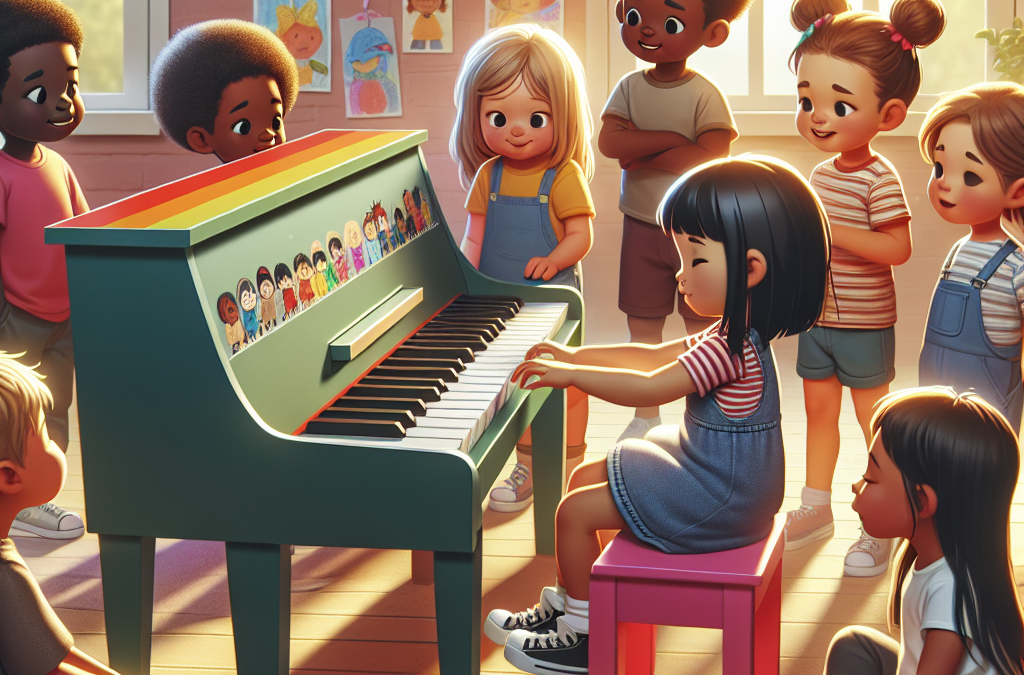
Have you ever watched a child’s face light up as they plunk out the first few notes on a piano keyboard, delighting in the simple joy of creating music? It’s a magical moment, one that epitomizes our belief that music is everyone's birthright. At Piano Wizard Academy, we are passionate about making this magic accessible to all, regardless of age or ability. In a world where music often feels gated by technical jargon and strict formalities, we're here to tell you that learning piano can be different—piano for all!
Whether you're homeschooling your little ones, guiding an autistic child through enriching activities, or simply looking to explore a new hobby as an adult, the traditional barriers associated with learning the piano can be broken down. The concept of "anyone can learn piano" is not just a catchy phrase; it’s grounded in evidence and a wealth of experience. Research has shown that musical education enhances cognitive abilities across multiple domains. One such study by Northwestern University found that even brief musical training can increase brain connectivity.
The myth that playing the piano requires innate talent or years of arduous lessons is slowly being debunked by innovative teaching methods such as interactive piano learning and the availability of online piano courses. These emerging approaches emphasize fun and accessibility over rote memorization and rigorous practice schedules.
Why should everyone have access to learning the piano?
- Cognitive Development: Engaging with music activates multiple areas of the brain, supporting language development and improving memory retention.
- Emotional Expression: Music provides an outlet for expressing emotions in ways that words cannot capture.
- Social Skills: Group lessons or family jam sessions encourage collaboration and communication among participants.
- Cultural Awareness: Through exploring different genres like jazz or classical music, learners gain insights into diverse cultures.
The beauty of platforms like Piano Wizard Academy is that they transform complex concepts into easily digestible segments. Imagine learning advanced chord progressions through engaging tutorials rather than dense textbooks. With features like step-by-step guidance and self-paced courses, tackling popular songs on the piano becomes both achievable and rewarding.
The journey isn't just about mastering notes; it’s about fostering a lifelong appreciation for music. So, whether you’re tapping into your inner Beethoven or just looking for a fun family activity on a rainy day, remember: The path to becoming a maestro is now accessible at your fingertips—literally!
The Myth of Musical Talent: Debunking Common Misconceptions
When it comes to learning the piano, one of the biggest roadblocks many people face is a pervasive belief in the necessity of "musical talent." It's a myth that has stopped countless potential pianists in their tracks, but it's high time we debunk this misconception.
Everyone Can Learn Piano
Contrary to popular belief, musical ability isn't an exclusive club reserved for child prodigies or individuals with perfect pitch. In fact, research from the American Psychological Association shows that everyone possesses some form of musical potential. The key is nurturing it through consistent practice and effective learning methods.
- Practice Over Perfection: Just like mastering any skill, playing piano requires practice. Even Mozart wasn't born playing symphonies; he honed his craft over years of diligent study.
- Lifelong Learning: Adults often assume they've missed their chance if they didn't start young. Not true! Our interactive piano learning tools are designed for learners at any age, breaking down complex concepts into digestible lessons.
- Diverse Learning Styles: Some learn best through visual aids, others by listening or hands-on practice. Tailored approaches accommodate all styles, making the piano truly for all.
- The Growth Mindset: Believing in your ability to improve is half the battle. Embrace mistakes—they're stepping stones on your path to mastery.
Busting the "Ear" Myth
A common misconception is that you need a "good ear" to play by ear or understand music theory. While having a keen sense of pitch can be beneficial, it's not mandatory for beginner piano tutorials. Plenty of great pianists have excelled by focusing on other strengths like rhythm and technical skills.
A 2019 study published in the journal PLOS ONE found that structured music training significantly improved auditory processing skills over time—meaning you can develop these abilities as you learn! Want to dive deeper into music theory? Start with our guide on exploring Chromatic Scales, which makes theoretical concepts approachable and fun.
So why let myths hold you back? The world of piano is wide open and welcoming, so take the leap and start your musical journey today!
Accessible Learning: Piano Lessons for Every Need
At Piano Wizard Academy, we understand that every learner is unique, each with their own set of strengths and challenges. That's why we've designed our piano lessons to be as adaptable and inclusive as possible, ensuring that the phrase "piano for all" isn't just a catchy tagline—it's a fundamental part of our ethos.
Piano for All Ages and Abilities
- Children: For those little fingers just starting to explore the keys, our beginner piano tutorials offer a playful introduction to music. We incorporate interactive elements that keep the tiny tots engaged, like games and colorful guides, making learning feel less like homework and more like playtime.
- Adults: Whether you're revisiting an old hobby or diving into the world of music for the first time, adult piano lessons cater to your pace. With flexible scheduling through our online piano course, you can learn at your convenience without disrupting your busy lifestyle.
- Seniors: Learning to play an instrument can boost cognitive function in older adults. In fact, research suggests that engaging in musical activities might help delay the onset of dementia-related symptoms (source). Our digital piano classes are, therefore, perfect for keeping the mind sharp while providing joy through music.
Inclusive Methods: Tailored for Diverse Learners
Our teaching methods are designed with inclusivity in mind. We offer various learning styles such as visual aids, auditory cues, and kinesthetic activities to ensure that every student finds their groove—literally!
- Autistic Children: With structured routines and predictable formats, our courses provide a comforting learning environment. The use of simple musical patterns helps enhance focus and reduce anxiety levels.
- Learners with Disabilities: Our virtual piano teacher feature removes physical barriers and offers personalized guidance through video tutorials. This self-paced piano course ensures that everyone can progress at their own speed.
The Power of Technology: Bring Music to Your Fingertips
The digital age has redefined how we learn music. With apps offering keyboard tutorials for beginners and advanced users alike, learning piano has never been more accessible. Our platform provides step-by-step piano guidance using cutting-edge technology, bridging distances between teachers and students worldwide.
The next time you hear someone say they're too busy or think they're beyond beginner-friendly keyboard techniques, remind them: if you can dream it, you can play it! After all, unleashing your inner Beethoven (or Bieber) should be just a click away!
Piano Teaching Methods: Tailoring Education for Different Learners
In the vibrant world of musical education, there's no one-size-fits-all approach, especially when it comes to learning the piano. Each learner brings their unique rhythm and melody to the table, and it's crucial to tailor teaching methods to cater to these individual needs. Whether you're a parent homeschooling your young Mozart-in-the-making or guiding an autistic child through their first scales, understanding diverse piano teaching methods is key.
Understanding Learner Profiles
First things first, let's understand who we're teaching. Kids, teenagers, adults — they all learn differently. Consider this your primer on "Piano for All"!
- Visual Learners: These learners thrive on visual aids. A keyboard tutorial for beginners that emphasizes color-coded keys or interactive apps can be very effective.
- Auditory Learners: For those who pick up melodies by ear, playing by ear piano techniques make the most sense. Encourage listening to popular songs on the piano tutorials for familiarity with different tunes.
- Kinesthetic Learners: Hands-on practice is essential here. Rhythm exercises for pianists and step-by-step piano guidance can keep them engaged and moving.
The goal is to create an environment where learners feel at ease and excited about music. A well-structured lesson plan can cater to different learning styles effectively.
The Role of Technology in Piano Education
The digital age has opened up new avenues in piano education through online piano courses and virtual piano teachers. These platforms offer a plethora of beginner-friendly keyboard techniques along with classical and jazz piano lessons tailored to individual skill levels. In a way, technology makes it possible for anyone with a keyboard and internet connection to embark on a self-paced piano course from the comfort of their home.
A Real-Life Example: Meet Lucy
Lucy is a homeschooled seventh-grader who struggled with traditional music theory classes due to her learning style. But when introduced to interactive piano learning apps that taught chord progression tutorials for the piano using gamified elements, she not only caught up but excelled! Her newfound love for the instrument even led her to explore advanced piano skills development on her own.
The Takeaway
No matter your learner's profile or background, remember that music truly is universal — it's not just about mastering complex pieces but about enjoying the journey of learning itself. With personalized approaches like these, breaking down barriers isn't just possible; it's inevitable! So why wait? Dive into our comprehensive guides and discover how fun and accessible learning the piano can be.
Breaking Physical Barriers: Tools and Techniques for All Abilities
When it comes to learning piano, the phrase "piano for all" isn’t just a catchy slogan; it's a commitment to ensuring that everyone, regardless of physical ability, can experience the joy of music. Thanks to technological advancements and creative teaching methods, playing the piano is now more accessible than ever before.
Adaptive Instruments
- Lightweight Keyboards: For those who may find traditional pianos cumbersome due to their weight or size, lightweight keyboards offer an excellent alternative. They're portable and user-friendly, allowing for flexible practice sessions anywhere and anytime.
- Key Modifications: Adaptive instruments come with adjustable keys that can be customized for those with limited dexterity or strength. This makes it easier for children and adults with physical disabilities to press and release keys effectively.
If you're wondering how these setups can benefit you, explore our Intro to the Layout of the Piano, which provides a comprehensive guide on navigating your keyboard efficiently.
Assistive Technology
Technology has paved new pathways for learning piano through innovative tools:
- Piano Learning Apps: Interactive apps provide tutorials tailored to different abilities, offering step-by-step piano guidance. This allows learners to progress at their own pace while engaging in fun, gamified activities.
- Virtual Piano Teachers: Online platforms offer virtual lessons with seasoned instructors who specialize in adaptive teaching techniques. These courses can accommodate various learning styles by offering custom lesson plans.
The use of assistive technology isn’t confined to beginners alone. Even seasoned players looking to develop advanced skills can benefit from these resources.
Sensory-Friendly Environments
The concept of creating a sensory-friendly environment extends beyond just soundproofing your practice space:
- Tactile Feedback Tools: Devices like weighted blankets or sensory cushions can help individuals with autism or sensory processing issues remain focused during practice sessions.
- Noiseless Options: Digital pianos often feature volume controls or headphone jacks, allowing practice without auditory overload—a critical factor for those sensitive to noise levels.
If you're interested in exploring more about mastering piano techniques at your own pace, consider taking advantage of our diverse range of resources that cater to learners of all ages and capabilities.
No matter your starting point or physical constraints, remember that the journey of learning an instrument is as rewarding as it is musical. With the right tools and techniques at your side, your potential is limitless!
Cultivating Joy Through Music: The Emotional Benefits of Piano Playing
In a world that often feels like it's moving at the speed of a Beethoven presto, finding moments of joy and peace can seem as challenging as playing Liszt's Hungarian Rhapsody without breaking a sweat. Enter the humble piano – an instrument capable of transforming not only sound but also our emotions. Learning to play the piano is not merely about hitting the right keys; it’s about unlocking an emotional treasure chest.
The Therapeutic Symphony of Sound
Studies have shown that music, particularly playing an instrument, can be therapeutic for individuals with autism or ADHD, helping in emotional regulation and expression (Frontiers in Psychology). The act of creating music offers a safe space to explore and express emotions without words. Whether it's the soothing melodies of Chopin or the energetic rhythms of jazz piano lessons, each note played is like a brushstroke on the canvas of your soul.
- Stress Reduction: Engaging with music lowers cortisol levels, effectively reducing stress and anxiety.
- Mood Enhancement: Playing your favorite songs on the piano releases dopamine, known as the 'feel-good' hormone.
- Emotional Release: Allows you to channel difficult emotions into creativity rather than conflict.
The Joy of Mastery
Much like finally managing to nail that tricky jazz improvisation after endless practice sessions, mastering new piano skills brings about a sense of accomplishment. This boost in confidence spills over into other areas of life, particularly for young learners and home-schooled children who may struggle with self-esteem issues.
For an entertaining dive into improving your techniques, check out this fun guide on using the sustain pedal effectively in your pieces: How to Use the Sustain Pedal on Piano Keyboard. Because let's face it – who doesn't enjoy making their notes linger as if they're performing in Carnegie Hall?
A Universal Language
Piano playing transcends language barriers, offering a universal mode of communication where words fall short. It cultivates empathy and connects us with others through shared experiences and expressions. Imagine gathering around a piano during family celebrations – each key strike weaving stories that words alone could never tell.
In essence, learning piano opens up an emotional playground where every individual is welcomed with open arms. So, whether you're teaching your child to play by ear or guiding them through beginner-friendly keyboard techniques, remember it's not just about learning notes; it's about fostering joy through music for all ages.
Conclusion: Unleashing the Pianist Within Everyone
As we wrap up our journey into the world of music, it's clear that the barriers to learning piano are being dismantled, revealing a landscape where piano for all is not just a possibility but a reality. Whether you're an eager parent, someone homeschooling children, or teaching an autistic child, there's a rhythm in this universe for everyone to dance to.
Music, especially through instruments like the piano, has been shown to improve cognitive skills and emotional well-being. Studies have indicated that engaging with music can enhance memory and even delay the onset of dementia (source). With tools such as beginner piano tutorials and virtual piano teachers making entry barriers almost non-existent, anyone can now explore their musical talents at their own pace. It's like having a magical genie at your fingertips — except this genie is way cooler because it’s powered by your own creativity!
- Interactive Learning: Platforms today offer interactive piano learning experiences that cater to all skill levels.
- Diverse Teaching Methods: From classical piano instruction to jazz piano lessons and play-by-ear piano techniques — there's something for every taste.
- Accessibility: Thanks to online piano courses and digital classes, you can learn from virtually anywhere. The only requirement? A reliable internet connection (and maybe some coffee!).
- Flexibility: Self-paced courses allow learners to fit music into their busy schedules without stress.
The melody of learning is a personal one. By embracing the diverse methods available today — whether it's through an online piano course or exploring advanced skills development — we can break free from traditional constraints and truly make music a universal birthright.
If you're ready to begin exploring this harmonious world yourself, you might enjoy checking out our comprehensive guide on how to maximize the use of the sustain pedal on your keyboard (read here). Remember: Every note starts with one key press. Are you ready to press yours?
The journey may be long, but full of delightful discoveries. So let’s hit those keys and discover what beautiful symphonies lie within us!