
Introduction
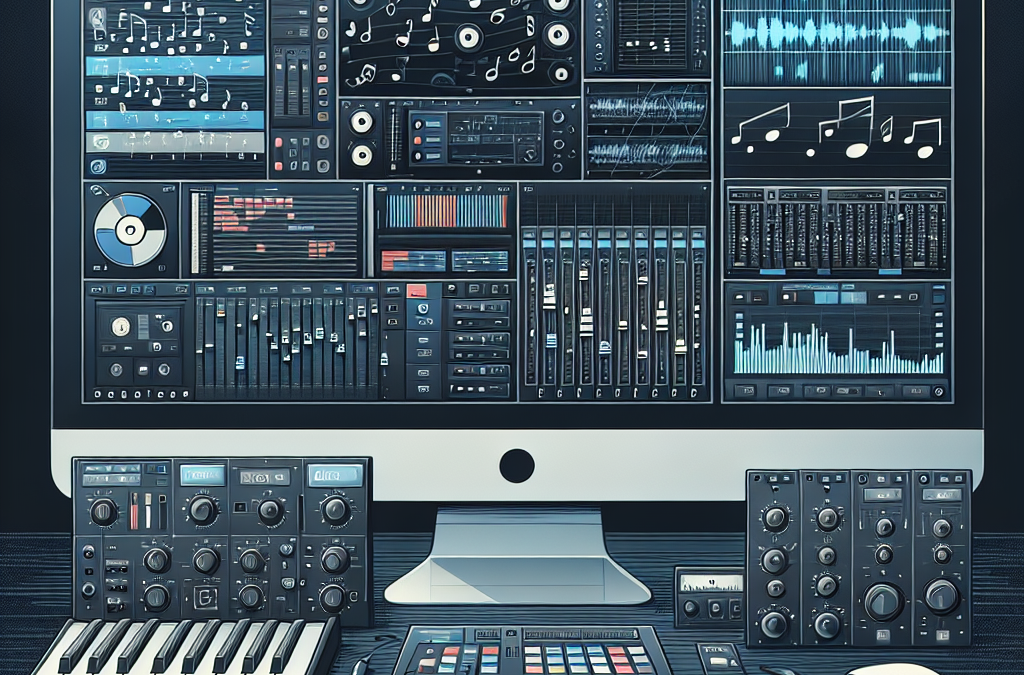
Whether you're a curious parent hoping to introduce your child to the wonders of music, an enthusiastic homeschooler looking for engaging educational tools, or someone seeking tailored approaches for autistic children, there's never been a better time to dive into the dynamic world of digital piano education. Why? Because today's interactive piano learning platforms promise not just knowledge but an experience—one that is fun, engaging, and endlessly adaptable.
- Piano Learning Apps: These handy apps bring personalized lessons directly to your devices. They often include features like progress tracking and instant feedback that make learning feel like play.
- Online Piano Lessons: With virtual instructors who can guide you through every scale and arpeggio, online lessons provide flexibility without compromising quality.
- Digital Piano Tutors: Combining AI technology with traditional teaching methods, these tutors adapt to your pace and style of learning.
The Shift Towards Digital Music Education
This shift towards digital education isn't just about convenience; research has shown that music can significantly enhance cognitive development in children. According to various studies, children engaged in musical activities tend to display improvements in language skills and social behaviors. For instance, a study by Dr. Nina Kraus at Northwestern University found that musical training improves neural processing in underprivileged children (source). It's no wonder parents are increasingly turning towards these innovative tools!
If you're someone who’s ready to tap into this treasure trove of resources but feels overwhelmed by the plethora of options available, worry not! We’re here as your trusted guides on this melodious path. Together, we’ll explore how these revolutionary software tools can unlock new dimensions in piano mastery for learners of all ages and abilities.
Buckle up as we embark on this captivating journey where every keystroke is a step towards unlocking potential, both musical and personal.
The Rise of Interactive Piano Learning: Why it Matters
Picture this: your child, gleefully tapping away on a keyboard, grinning ear-to-ear as they master the melody of "Twinkle, Twinkle, Little Star" through a piano learning software. It’s a scene that’s becoming more common thanks to the surge of interactive piano learning tools. But what exactly is fueling this rise, and why should parents and homeschoolers like you pay attention?
Interactive piano learning has gained traction because it makes music education accessible, fun, and engaging for learners of all ages. These tools are not just about pressing keys; they’re about transforming the entire piano learning experience. Here's why it matters:
1. Tailored Learning Experience
Unlike traditional methods that often adopt a one-size-fits-all approach, interactive piano learning platforms offer personalized instruction. Through AI-driven algorithms and adaptive modules, these tools can tailor lessons based on your child’s pace and skill level. A budding Mozart or Beethoven in your household? No problem—these platforms can adapt to accelerate their progress.
2. Immediate Feedback and Motivation Boosts
Remember those days when waiting for teacher feedback felt like an eternity? One of the most significant advantages of these tools is real-time feedback. With instant corrections and positive reinforcement, learners are motivated to press on (pun intended) without feeling disheartened by mistakes.
3. Making Music Theory Fun
Let’s face it; music theory isn’t every child’s favorite subject. Digital platforms incorporate gamified elements that transform complex concepts into digestible bites of knowledge using catchy games and quizzes. And who doesn't love scoring points while mastering scales?
4. Accessibility and Convenience
- 24/7 Access: With online piano lessons available anytime, music practice can fit perfectly into even the busiest family schedules.
- Diverse Learning Modes: Whether it's a MIDI keyboard controller, a tablet app, or desktop software, options abound!
- No Commute Required: Forget logistical nightmares; everything needed for a successful lesson is right at home.
The boom in interactive piano learning apps signifies more than just technological advancement—it represents a shift towards democratizing music education for everyone. With solutions ranging from beginner keyboard tutorials to advanced piano lessons, there’s never been a better time to embrace this digital symphony.
Exploring Top Piano Learning Software Options
In a world where technology and music harmonize like peanut butter and jelly, finding the right piano learning software can be your golden ticket to mastering those ivories with joy. We've sifted through the digital cosmos to uncover some top-notch tools that will have you tickling the virtual keys in no time.
Piano Wizard Academy
No list would be complete without mentioning our very own hero: the Piano Wizard Academy! Designed with love, this tool transforms traditional piano lessons into an interactive gaming experience that’s pure magic.
- Seamless Integration: Works beautifully with MIDI keyboards to let kids and adults play along in harmony—literally!
- "Ode to Joy": Discover how easy it is to play classics like Beethoven's "Ode to Joy" with our step-by-step guides on the blog.
Bursting Myths: Digital vs. Traditional Learning
The debate between digital and traditional piano teaching methods is as old as time—well, at least as old as floppy disks. However, studies have shown that interactive music programs can significantly enhance learning speeds due to their adaptive feedback systems (Source: NIH). These modern methods can often rekindle interest in students who might have found sheet music duller than a wet weekend in Seattle.
Piano Wizard Academy: Pioneering Digital Music Education
In the ever-evolving landscape of music education, Piano Wizard Academy stands as a beacon of innovation and inclusivity. Our mission is to make music accessible and engaging for everyone, regardless of age or ability. Whether you're a curious child or an adult rekindling an old passion, our piano learning software is designed to ignite your musical journey with joy and simplicity.
Breaking Down Barriers with Technology
The digital age has transformed how we learn, and music is no exception. Piano Wizard Academy leverages cutting-edge technology to create an interactive piano learning experience that's both effective and enjoyable. Our software doesn't just teach you notes; it immerses you in a comprehensive musical environment where learning feels more like playing a game than attending a traditional lesson.
- Interactive Learning: Our platform uses gamification principles to keep learners engaged, offering real-time feedback and adaptive learning paths tailored to individual progress.
- Comprehensive Courses: From beginner keyboard tutorials to advanced lessons that delve into complex music theories, our courses are designed to cater to all skill levels.
- E-Learning Flexibility: With downloadable piano lessons and self-paced courses, you can learn at your convenience without the constraints of fixed schedules.
A Family-Friendly Approach
For parents homeschooling their children or guiding those with unique learning needs, such as autism, Piano Wizard Academy offers a supportive environment where every student can thrive. Our virtual piano classes use visual aids that help young learners easily associate sounds with notes on the keyboard. This intuitive approach removes the intimidating barriers often associated with traditional music education.
Our software is crafted not just for children but also for adults who have always wanted to learn the piano but felt overwhelmed by conventional methods. As one satisfied user aptly put it, "Playing with Piano Wizard feels like rediscovering my inner child!"
Your Trusted Companion in Musical Growth
Piano Wizard Academy's commitment extends beyond just teaching the notes and scales. We strive to nurture a lifelong love for music by offering tools that grow with you as you master more complex compositions. Whether you're playing Beethoven's "Ode to Joy" using our guided tutorials (you can find it here) or exploring new genres, we stand by your side like a trusted mentor.
Join us on this harmonious journey where digital innovation meets soulful expression. At Piano Wizard Academy, we believe that everyone deserves the chance to create beautiful music effortlessly—because music isn't just an art; it's your birthright.
The Role of Music Theory Software in Enhancing Skills
For many parents, the idea of their child mastering a musical instrument like the piano often conjures images of endless practice sessions and complex sheet music. However, with the advent of piano learning software, these traditional challenges have been transformed into engaging and interactive experiences.
Music theory software plays an instrumental role in this transformation, serving as a bridge between basic note recognition and advanced piano mastery. Think of it as the Rosetta Stone for budding musicians—except instead of translating languages, it's translating the rich language of music into something everyone can understand.
The Interactive Advantage
Gone are the days when understanding music theory was reserved for those who could decipher intricate musical notation. Today's interactive piano learning tools are designed to make music theory accessible and enjoyable. Through gamified lessons, colorful visuals, and real-time feedback, children (and adults!) can engage with music theory in ways that resonate with their natural learning styles.
- Adaptive learning techniques: Many platforms adjust difficulty levels based on user performance, ensuring that your child is always challenged but never overwhelmed.
- Real-time feedback: Immediate feedback helps learners correct mistakes on the spot, preventing bad habits from forming.
- Engaging visuals: The use of animations and graphics makes complex concepts more digestible and less intimidating.
An excellent example is our blog post on how to play "Scars Beautiful" using Piano Wizard’s interactive approach. You can read more about it here.
The Fun Factor: Learning Without Realizing It!
If you've ever watched your child spend hours absorbed in a game without realizing how much they've learned (Can I get an amen for those math games?), then you know the power of fun in education. Music theory software taps into this magical realm where learning happens almost by accident. Kids think they're just playing games or exploring sounds, but they're internalizing complex musical concepts.
This approach not only aids retention but also sparks a genuine love for music—a love that can lead to lifelong musical passions. Remember, Mozart didn't become a prodigy overnight; he had his own version of "music games" back in his time (surely involving some harpsichord and powdered wigs).
The Bridge to Advanced Skills
The true beauty of using digital tools like music theory software lies in its scalability. As your child's skills grow, so too does the platform's ability to challenge them. Whether it's diving deeper into chord structures or exploring more advanced compositions like Beethoven’s "Ode to Joy," these platforms offer a path from novice to virtuoso at each learner's own pace.
If you're looking for inspiration on tackling classics with technology’s help, check out our guide on playing "Ode to Joy" using Piano Wizard here.
Nurturing Creativity and Skill with Virtual Piano Classes
In an era where technology and creativity intersect beautifully, virtual piano classes offer an ideal platform for youngsters to explore and enhance their musical talents. For parents, homeschoolers, and those nurturing autistic children, the advantages of online piano lessons often go beyond mere convenience—they become a gateway to a world of auditory wonder and cognitive growth.
Interactive Learning Environments:
- Virtual piano classes provide an engaging interface that keeps young learners invested in their musical journey. Unlike traditional settings, interactive piano learning platforms use gamified lessons to make scales as thrilling as leveling up in a favorite video game.
- According to recent studies, interactive educational tools can increase student engagement by up to 60%, making them particularly effective for children who may struggle with focus or need extra stimulation (Edutopia).
Flexible Learning Pace:
- The beauty of virtual keyboard practice is the ability to tailor each lesson to fit the learner's pace. Whether your child is racing through "Ode to Joy" or taking a slower approach to master "Scars Are Beautiful," each lesson can be customized accordingly.
- This flexibility is particularly beneficial for children with unique learning needs, allowing for personalized progress without the pressure of keeping up with peers. Learn how this tailored approach can work from home in our detailed guide on Scars Are Beautiful.
A Fun Approach to Music Theory:
- Many children shudder at the thought of music theory—until they meet digital music education platforms that transform these concepts into fun puzzles and challenges!
- Platforms like Piano Wizard Academy integrate theory seamlessly within practical online piano lessons, ensuring that learners develop both skill and understanding without even realizing they're doing it.
E-Learning Platforms: A Boom in Piano Education:
- E-learning for piano is not just a trend; it’s becoming an essential part of modern music education. With AI-driven apps offering adaptive learning experiences, these platforms ensure continuous progression tailored specifically for each child's needs.
- For parents concerned about screen time versus skill acquisition, consider this: A study found that structured e-learning tools can improve retention rates by up to 25-60% compared to traditional face-to-face instruction (Journal of Educational Psychology).
Virtual piano classes are more than just a response to modern-day challenges—they're an opportunity. An opportunity for your child not only to learn but also to love music. By nurturing creativity through these revolutionary software tools, we are ensuring that each child’s journey into the world of music remains joyful and fulfilling.
If you're curious about how music acts as more than just art but as a way of enhancing life's processes, check out our blog post on how music intertwines with life's project management: Music Like Advanced Project Management.
Conclusion: Embrace the Future of Piano Learning Today
As we stand on the threshold of a new age in music education, it's clear that piano learning software is not just a passing trend but a powerful tool transforming how we learn and teach. From interactive piano learning programs to AI-driven piano tutorials, the landscape is rich with options for every learner's needs.
The modern digital music education platform offers an unparalleled range of resources catering to diverse learning preferences and paces. Whether you're delving into beginner piano software or exploring advanced keyboard skills, there's something for everyone. These resources are particularly beneficial for homeschooling families and parents of autistic children, providing adaptable learning environments that cater to individual needs.
- Comprehensive Courseware: The availability of multimedia piano training programs means that students can immerse themselves in visually engaging lessons that make complex music theory accessible and fun.
- Adaptive Learning Tools: With personalized piano instruction software, learners can progress at their own pace, receiving feedback tailored to their development.
- Interactive Music Lessons: Platforms that offer virtual keyboard practice and downloadable piano lessons allow for flexibility and convenience, perfect for busy parents juggling multiple responsibilities.
An exciting feature of these digital tools is their adaptability. Take, for example, virtual piano classes, which provide real-time feedback through smart sensors or MIDI connections, capturing the nuance of practice as effectively as a human tutor might. Coupled with online music theory classes for pianists, learners are equipped with a holistic education that touches every facet of musicianship.
The result? An empowered generation of musicians who see playing the piano not as a chore but as an enjoyable adventure! The time has come to embrace these innovative solutions and transform your child's musical journey into one filled with joy and discovery.
No matter where this journey takes you—a living room concert today or perhaps Carnegie Hall tomorrow—remember: music is good for you at any age. It's time to tune into the future and see where your keyboard journey will lead!