
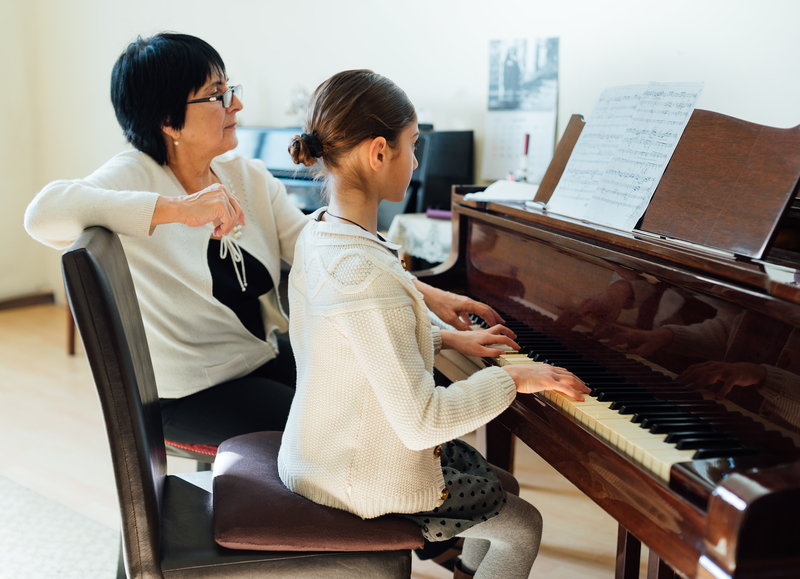
Welcome to the world of piano practice, where every note played is a step closer to mastering this beautiful instrument. Whether you're a curious parent nurturing your child's interest in music, a homeschooling family exploring new learning avenues, or guiding an autistic child through the joys of musical expression, effective piano practice techniques are essential. Here, we'll explore strategies that make piano practice engaging and productive for everyone.
Understanding the Basics: Setting Up a Piano Practice Routine
Welcome, wonderful parents and homeschoolers, to the magical world of piano practice! Whether your child is just starting on their musical journey or you're an experienced musical mentor to an autistic learner, establishing a structured and effective piano practice routine is your golden ticket to success. Now, let's dive into some tips that make "practice piano" more than just a buzzword—it becomes a joyful ritual.
Create a Dedicated Practice Space
Your home might not have the grandiose acoustics of Carnegie Hall, but creating a dedicated and distraction-free space can work wonders. Choose an area with good lighting and minimal noise. A well-placed piano bench can help maintain proper posture, crucial for unlocking those melodious keys. Need some tips on this? Check out our guide on how to sit at the piano.
Consistency is Key
It's been said that consistency beats intensity every day of the week. Set aside specific times each day for practice—just like brushing teeth! This ritual helps build discipline and makes it part of their daily routine. Start with shorter sessions for younger children or beginners and gradually increase as their attention span grows.
- Younger Children: 10-15 minutes daily
- Intermediate Learners: 20-30 minutes daily
- Advanced Players: 45 minutes to an hour daily
Diversify Practice Techniques
A practice routine shouldn't feel like a monotonous chore; instead, it should be as colorful as a musical rainbow. Incorporate various techniques such as scales, chord progressions, sight-reading exercises, and even ear training. For beginners looking for structured guidance, our article on learning piano for beginners is an excellent resource.
The Fun Factor: Gamify Practice Sessions
Why not add some fun to the mix? Use apps or games that make practice engaging. Setting small goals like mastering a simple melody or identifying notes can lead to delightful rewards—because who doesn’t love stickers or extra screen time?
Track Progress and Celebrate Achievements
Nurture motivation by tracking progress through video recordings or practice logs. This visual record isn't just rewarding; it helps identify areas needing improvement too. Celebrate milestones with mini-recitals at home (pets make enthusiastic audiences!) and boost their confidence.
If you need further inspiration on maximizing these routines, explore our detailed post on getting the most out of your lessons:
[read here].
And remember—every note played is a step closer to musical mastery!
Best Practices for Beginners: Developing Essential Skills
Embarking on the journey to practice piano is like setting sail on a musical adventure. Whether you're a parent guiding your child, a homeschooler integrating music into your curriculum, or supporting an autistic child, it's essential to cultivate foundational skills that make this voyage enjoyable and effective.
1. Start with the Basics: Layout of the Piano
The first step in any beginner piano practice plan is getting familiar with the instrument itself. Understanding the layout of the piano keys and recognizing patterns is crucial. You can dive deeper into this topic with our Intro to the Layout of the Piano.
2. Warm-Up Exercises: Preparing Fingers and Mind
- Piano Finger Exercises: Initiate every session with finger exercises to build dexterity and strength.
- Coordination Exercises: Practice scales and simple pieces to improve hand coordination.
- Sight Reading Practice for Pianists: Enhance your ability to read music quickly by incorporating sight-reading into your routine.
A fun fact: Just like athletes who warm up before hitting the track, pianists benefit from warming up their fingers before tackling those tricky ivories!
3. Building a Consistent Practice Routine
The key to mastering any skill is consistency. Establishing a daily piano practice routine can significantly boost progress. A good rule of thumb? Aim for at least 20-30 minutes of focused practice per day.
“It's not about how long you play, but how wisely you spend that time at the keyboard.”
If you're crafting your own lessons, consider checking out our guide on Creating Your Own Piano Lessons.
4. Incorporate Fun Techniques: Improvisation and Ear Training
Nurture creativity by allowing some unstructured playtime where improvisation takes center stage. Encourage children to create their own melodies or explore different genres like jazz or classical pieces for piano practice.
- Ear Training for Pianists: Improve listening skills by identifying notes and chords by ear.
- Improvisation on the Piano: Foster creativity by encouraging spontaneous musical ideas during practice sessions.
This approach not only strengthens musical skills but also keeps young learners engaged and excited about their progress.
A Final Note on Patience and Encouragement
Piano learning is akin to planting seeds; patience and nurturing will yield a bountiful harvest over time. Celebrate small victories along the way—success is often found in those delightful moments when fingers glide smoothly over keys or when a melody rings just right.
Beyond Basics: Advanced Piano Techniques for Skill Enhancement
Once you've mastered the basics of piano playing and are ready to move on to more advanced techniques, it's time to dive into practices that will elevate your skills to new heights. These advanced techniques are designed not only to impress your audience but also to challenge and grow your musical prowess. Remember, embracing complexity can be daunting but also incredibly rewarding.
1. Mastering Hanon Exercises
A classic way to build dexterity and finger strength is by incorporating Hanon exercises into your routine. Known for their ability to enhance agility, precision, and speed, these exercises are a staple in any advanced pianist's toolkit. For a guided introduction, check out our detailed post on Hanon Exercise No. 1.
2. Exploring Jazz Improvisation
If you've ever envied those who can sit at a piano and effortlessly create beautiful music on the spot, jazz improvisation might be the next step for you. This technique encourages creativity and helps develop a deep understanding of scales and chord progressions. Start small with improvising over simple blues progressions before tackling more complex jazz standards.
- Tip: Begin by practicing scales in different keys while focusing on maintaining a steady rhythm.
- Example: Incorporate the "ii-V-I" progression in various keys as a starting point.
3. Classical Pieces for Enhanced Technique
Tackling challenging classical pieces can significantly boost your technical skills and expressive capabilities. Pieces by composers such as Chopin, Liszt, or Rachmaninoff require advanced techniques like rapid scales, arpeggios, and dynamic control.
"Playing classical music is like solving a musical puzzle – every note has its place." – Anonymous Music Enthusiast
4. Developing Rhythm with Metronome Practice
When it comes to enhancing rhythm precision, the metronome is your best friend (even if it sometimes feels like an enemy). Regular practice with this tool sharpens timing accuracy and helps coordinate both hands more effectively during complex passages.
- Suggestion: Start slow with difficult sections of music before gradually increasing speed while maintaining accuracy.
- Fun Fact: Even Beethoven was known for practicing with rudimentary metronomes!
5. Advanced Sight Reading Techniques
Sight reading is an invaluable skill that allows you to pick up any piece of music and play it fluidly without prior practice. To enhance this ability:
- Diversify your repertoire by exploring various genres like pop songs or classical works.
- Use flashcards or apps that present random pieces for sight reading practice sessions.
- Pace yourself; start with simple pieces before gradually increasing complexity over time.
Diving into these advanced techniques not only enriches your piano playing abilities but also deepens your love for music exploration. So go ahead – take these steps beyond basics toward becoming a true maestro of melody!
The Art of Efficient Practice: Time Management and Focus
When it comes to mastering the piano, the age-old adage rings true: practice makes perfect. But let's be honest, folks, not all practice is created equal. The secret sauce to effective piano practice isn't just about hitting the keys repeatedly; it's about playing smartly with a laser-sharp focus and efficient time management. Think of it as Marie Kondo-ing your piano practice routine—keeping only what sparks joy and progress!
1. Set Clear Goals
- Micro-goals: Break down your practice sessions into smaller, achievable tasks rather than tackling an entire symphony at once. For example, focus on mastering one challenging measure before moving on.
- Long-term objectives: Keep the bigger picture in mind too. Want to play Beethoven's "Für Elise" by Christmas? Create a timeline and map out your journey.
A study published in the Psychology of Music journal found that setting specific goals was linked to more effective learning outcomes in music students (source: [SAGE Journals](https://journals.sagepub.com/home/pom)).
2. Develop a Structured Routine
Your piano practice should have a rhythm of its own—a structured routine that fits seamlessly into your daily life like peanut butter on jelly. Here's how:
- Create a schedule: Allocate specific times for your daily piano practice and stick to them as faithfully as you would to your favorite Netflix series.
- Warm-up exercises: Begin with simple finger exercises to wake up those sleepy digits, prepping them for more intense play later.
- Diverse sessions: Spice things up by alternating between scales, pieces, and sight-reading to maintain engagement and prevent burnout.
3. Minimize Distractions
If you've ever found yourself lost in a YouTube rabbit hole while intending to search for online piano lessons, you're not alone. To combat the wandering mind:
- Create an inspiring space: Designate a clutter-free area with minimal noise where you can focus solely on playing.
- Tame technology: Use apps like *Forest* or *Focus@Will* to keep digital distractions at bay while practicing.
- Regular breaks:: Engage in short, mindful breaks every 25 minutes (hello Pomodoro Technique!) to rejuvenate your concentration levels.
A Touch of Humor: The Procrastinating Pianist's Secret Weapon
Lest you think all this is too serious, remember: even Mozart would sometimes daydream about his next wig fitting during practice! And while we can't promise you'll compose The Magic Flute after reading this blog post, these strategies will certainly help streamline your path from beginner fumbling through keys to confidently navigating classical pieces or pop songs on the piano.
The journey of learning music is both exciting and rewarding when approached with the right balance of diligence and delight. So go forth, dear parents and aspiring musicians—let's make every note count!
Diverse Styles: Exploring Jazz, Classical, and Pop Piano Practice Techniques
When it comes to mastering the piano, variety is not just the spice of life; it's the sugar in your musical coffee. Let's dive into each style's unique practice techniques, ensuring that every note you play is infused with both joy and skill.
1. Jazz Piano Practice Techniques
Jazz isn’t about playing what's written on the sheet music—it's about improvisation and rhythm. Start with jazz scales like the blues scale or modes to get a feel for those swinging sounds. Here’s a quick tip: Try practicing with a metronome set to a swing beat to really capture that jazzy groove.
- Ear Training: Jazz emphasizes listening. Spend time identifying intervals and chords by ear. Apps like EarMaster can be an excellent tool for this.
- Chords and Progressions: Focus on seventh chords and ii-V-I progressions. These are fundamental in jazz compositions.
- Improvisation Drills: Pick a simple standard like "Autumn Leaves" and improvise over its chord changes.
2. Classical Piano Practice Techniques
The classical genre demands precision and emotional depth. Begin by integrating structured exercises such as Hanon finger exercises into your daily routine to build strength and agility. You can learn more about foundational exercises in our Hanon Exercise No. 1 guide.
- Sight Reading: Regularly practice sight reading with pieces from different composers to enhance your ability to read music fluently.
- Piano Scales Practice: Dedicate time daily to practice scales in various keys; this builds muscle memory and dexterity.
- Expressive Playing: Analyze pieces emotionally—what story does it tell? Your interpretation should bring out this narrative.
3. Pop Piano Practice Techniques
If you dream of playing pop hits at family gatherings, focus on chord-based learning. Start with popular songs, which often follow simple chord progressions—think C-G-Am-F—and build from there.
- Simplified Chord Playing: Use chord sheets instead of traditional sheet music for faster learning of pop songs.
- Singing While Playing: Sing along as you play—this improves timing and helps coordinate both hands effortlessly.
- Create Your Own Covers: Once confident, try creating unique covers by altering tempos or adding personal flourishes to well-known melodies.
No matter what style calls out to you—whether it's the free-spirited allure of jazz, the disciplined beauty of classical, or the catchy hook-laden world of pop—a diverse piano practice routine will enrich your musical journey. Embrace these techniques, mix them up, and most importantly, have fun exploring!
The Role of Music Theory in Effective Piano Practice
When it comes to effective piano practice, music theory often plays the role of an unsung hero—much like the bass player in your favorite band. It's there, holding everything together and making sure no one hits a sour note when you're in your groove. But what exactly does music theory do, and how can it transform your piano practice routine from monotonous scales to melodic masterpieces? Let's dive into the nitty-gritty.
Understanding the Language of Music
First off, music theory is essentially the grammar of music. Just as grammar rules help you construct coherent sentences, music theory provides a framework for understanding how different notes fit together to create harmonious (or intentionally dissonant) sounds. For beginner pianists, learning these basics can demystify sheet music, making sight reading less daunting and more intuitive.
- Scales and Chords: Think of scales as your musical alphabet and chords as words formed by combining these alphabetic letters in different ways. Understanding how scales are constructed enhances your ability to improve piano skills by allowing you to predict chord progressions and create smoother transitions between notes.
- Rhythm and Time Signatures: They tell you how fast or slow a piece should be played. Imagine trying to dance salsa on a waltz beat—a poor grasp of rhythm can leave even the most promising pianist looking like they have two left hands!
- Key Signatures: These are like road maps telling you which path (or scale) you're on during a piece. They help determine the mood of the music—whether it's joyous or somber—and guide your finger placement across those black and white keys.
Tying It All Together: Practical Benefits
Now that we’ve covered what music theory entails, let’s look at why it’s indispensable for any structured music learning session:
- Simplifies Improvisation: If jazz or pop songs are your cup of tea, you'll find that understanding underlying chord structures makes improvisation an absolute breeze.
- Saves Practice Time: By understanding how pieces are constructed, you'll find yourself needing less time to memorize them—think of it as time management for procrastinators at its finest!
- Aids in Composition: Want to write your own tunes? Music theory not only helps you understand existing pieces but also empowers you to craft your own compositions with confidence.
If you're wondering where to start, incorporating basic music theory lessons into daily piano practice could be as simple as dedicating a few minutes each session. With patience and practice, you'll soon find that what seemed like complex puzzles will start fitting together effortlessly, turning those ivory keys into extensions of yourself.
The more you delve into this fascinating subject, the more you'll realize that knowing music theory is not just about getting better at playing; it’s about becoming fluent in another language—the universal language of music itself.
The Convenience of Online Learning: Accessing Resources at Home
In today’s fast-paced world, the convenience of online learning has transformed the way we approach music education. As parents and educators, we strive to provide the best resources for our children, especially when they have unique learning needs or schedules. Let’s dive into how practicing piano at home with online resources can be a game-changer for your family.
1. Learn at Your Own Pace
Online piano lessons allow learners to progress at their own speed without the pressure of keeping up with a class. Whether your little one wants to spend an entire afternoon mastering "Twinkle Twinkle Little Star" in different keys or just breeze through scales before dinner, they can do so comfortably at home. No more rushing to catch that 5 PM lesson after soccer practice!
2. Access to Diverse Resources
From beginner piano practice plans to advanced piano techniques, online platforms offer a plethora of resources tailored to various skill levels. The internet is a veritable treasure trove of piano exercises for beginners, jazz improvisation tutorials, and even pop songs tutorials that will keep your child engaged and wanting more.
3. Interactive and Engaging Platforms
Many online learning sites incorporate gamified experiences that make practice sessions feel less like chores and more like fun activities. Imagine kids eagerly completing sight reading practice or building finger strength on the piano because it's as entertaining as their favorite video game! Yes, please!
4. Flexibility and Accessibility
The freedom to schedule lessons around family activities means less stress for everyone involved—no more hectic car rides across town or juggling multiple kids' schedules. Plus, having constant access to materials makes daily piano practice an achievable goal rather than a burdensome task.
- Sight Reading Practice: Numerous apps allow students to enhance their sight-reading skills anytime.
- Piano Scales Practice: Customizable drills help solidify fundamental knowledge effectively.
- Piano Theory Lessons: Comprehensive courses ensure well-rounded musical education.
The digital world offers an abundance of opportunities for families looking to introduce or enhance their children’s music journey without leaving the comfort of home. Who knows? With all these convenient tools at hand, your little prodigy might just be serenading you with Beethoven’s Moonlight Sonata before you know it!
Piano practice is not just about repetition—it's about discovering joy in every melody played. With these effective techniques, parents can cultivate their children's love for music while ensuring progress in their skills. Whether you're starting out or refining advanced talents, remember that every session brings you closer to mastering this timeless art form.