
Introduction
The importance of piano lessons cannot be overstated. They serve as the foundation for anyone looking to learn piano online or in-person, be it through beginner piano lessons or advanced piano instruction. According to a survey by ABRSM, around 76% of children aged 5-14 in the UK have had music lessons at some point, highlighting how pivotal these early experiences can be.
But hold on! What if we told you that there’s more than just scales and sheet music in those dusty old lesson books? Professional pianists often possess insights and techniques that aren't typically covered in standard curricula. From mastering music theory for pianists to learning how to play the piano by ear, there’s a treasure trove of knowledge waiting for you.
Key Takeaway: Piano lessons are essential, but understanding the hidden gems within them is what truly transforms your musical journey.
In this blog post, we’ll dive into the secrets of professional pianists-those little nuggets of wisdom that can make all the difference in your musical journey. Whether you're considering private piano lessons, group piano classes, or even virtual options like online piano courses, knowing what goes on behind the scenes is crucial.
So grab your favorite drink (coffee for focus or tea for zen), sit back at your digital keyboard, and let’s unlock the mysteries together!
The Foundation: What Piano Lessons Often Miss
When you think of piano lessons, you might picture a classroom filled with young Mozart wannabes, diligently practicing their scales. But here’s the kicker: many piano classes skim over the foundational elements that can truly elevate your playing. It's like building a house on sand-sure, it looks good initially, but eventually, it’s going to crumble! So let’s dig into what those lessons often miss.
Importance of Music Theory Beyond the Basics
Understanding music theory is like having a secret map to navigate the vast ocean of music. While most beginner piano lessons touch on the basics-like note names and simple chords-there's a whole world waiting just beneath the surface. Professional pianists know that diving deeper into concepts such as harmony, chord progressions, and key signatures can transform your playing from basic to breathtaking.
- Chord Progressions: Learn how different chords interact to create emotional depth.
- Harmony: Understand how to accompany yourself or others effectively.
- Scales: Master them not just for technique but for improvisation and composition.
Understanding Rhythm and Timing in Depth
If you think rhythm is just about keeping time, think again! It’s the heartbeat of music. Many students focus solely on hitting the right notes but neglect the groove that makes music come alive. Professional pianists often emphasize complex rhythms and timing variations that are crucial for styles like jazz or classical piano.
Did You Know? Research indicates that students who take music lessons score on average 63 points higher on verbal and 44 points higher on math SATs. This shows how crucial a solid understanding of rhythm can be-not just in music but in academics too!
Developing Listening Skills and Ear Training
The ability to listen critically is a game changer. Many advanced piano instruction programs include ear training as a core component because it helps you recognize patterns, intervals, and even mistakes in your playing. It’s akin to being a detective in your own musical journey!
- Sight-Reading: Improve your ability to read new pieces quickly by developing strong listening skills.
- Playing by Ear: Learn how to pick out melodies without relying solely on sheet music.
- Aural Skills: Practice identifying chords and progressions by ear-essential for improvisation!
The bottom line? If you're looking for ways to enhance your skills beyond standard private piano lessons, consider focusing more on these foundational elements. Whether you're exploring children's piano lessons, adult piano lessons, or even virtual piano lessons, integrating these aspects will give you an edge over others who may still be stuck in the basics.
No matter if you're interested in classical masterpieces or popular songs on the piano tutorial style, mastering these foundational concepts will set you up for success as you continue your musical adventure!
Your Next Step: Ask your local piano instructor about incorporating more theory, rhythm exercises, and ear training into your sessions-it could change everything!
The Role of Practice: Insights from Professionals
Ah, practice-the magical ingredient that turns a novice into a maestro. But what’s the secret sauce that professional pianists use to ensure their practice sessions aren’t just a monotonous slog? Let’s dive into the effective practice techniques that can make all the difference in your journey through piano lessons.
Effective Practice Techniques Used by Professional Pianists
Professional pianists have a toolbox full of techniques that help them maximize their practice time. Here are some gems you might want to add to your own routine:
- Chunking: Break pieces into smaller sections, or “chunks.” This way, you can focus on mastering each part before putting it all together-like assembling a jigsaw puzzle!
- Slow Practice: When you slow down, you can catch mistakes and improve finger dexterity on the piano. It might feel tedious at first, but trust us, it pays off.
- Use of Metronome: This little gadget is your best friend for developing timing and rhythm. Start slow and gradually increase the speed as you get comfortable.
- Mindful Repetition: Instead of mindlessly repeating sections, focus on what needs improvement each time. Think of it as targeted training for your fingers!
The Concept of Deliberate Practice vs. Regular Practice
You might be thinking, “Isn’t all practice created equal?” Not quite! Enter the concept of deliberate practice-this is where the magic happens. While regular practice is just about showing up at the piano, deliberate practice involves setting specific goals and pushing your limits.
Pro Tip: Set aside time for deliberate practice focused on challenging areas rather than just playing through pieces you already know. This will accelerate your learning curve!
Setting Realistic Goals and Tracking Progress
If you've ever felt overwhelmed by trying to learn piano online or in-person, you're not alone! One common mistake is setting unrealistic goals. Instead of aiming to play Rachmaninoff's "Piano Concerto No. 2" in a week (yikes!), start with achievable milestones.
- Create Short-Term Goals: Aim for small achievements like mastering a scale or learning a measure from a piece.
- Track Your Progress: Keep a journal or use apps designed for musicians to log your daily accomplishments and reflect on areas for improvement.
- Celebreate Wins: Whether it's nailing that tricky passage or simply showing up consistently, recognize and reward yourself!
The beauty of these strategies is that they’re applicable whether you're taking beginner piano lessons, intermediate piano tutorials, or even advanced piano instruction. By integrating effective techniques into your routine and focusing on deliberate practice, you'll not only improve faster but also enjoy the journey more!
Your Next Move: Try out one new technique this week during your practice sessions-whether it’s chunking or using a metronome-and see how it changes your approach!
Emotional Connection: Playing with Passion
When it comes to piano lessons, one of the most overlooked aspects is the emotional connection that transforms mere notes into soul-stirring music. Think of it like cooking: anyone can follow a recipe, but only a true chef adds that secret ingredient that makes the dish unforgettable. In this section, we’ll explore why expressing emotions through music is vital, how to cultivate your unique style, and techniques for connecting deeply with your pieces.
The Significance of Expressing Emotions Through Music
Music is not just about hitting the right keys; it’s about telling a story. Professional pianists know this all too well. They understand that every piece has its own emotional landscape, and their job is to navigate through it. Imagine playing Beethoven's "Moonlight Sonata" without feeling the melancholy-it would be like watching a movie without sound!
Research shows that music can evoke powerful emotions, and this emotional expression can enhance your performance. When you learn piano online or in-person, don’t just focus on technique; immerse yourself in the feelings behind each piece. Ask yourself:
- What mood does this piece convey?
- How can I interpret these dynamics to reflect my feelings?
- What personal experiences resonate with the emotions in this music?
Cultivating a Personal Style and Interpretation
Your personal style as a pianist is like your fingerprint-unique and irreplaceable! While classical piano lessons provide a solid foundation, don’t be afraid to let your individuality shine through. Here are some tips for cultivating your style:
- Experiment: Try different genres! Whether it's jazz piano lessons or contemporary pop, each style offers something new.
- Listen Actively: Pay attention to professional pianists for hire and analyze how they interpret pieces differently.
- Add Your Touch: Don’t be afraid to alter dynamics or tempos based on how you feel about a piece. Make it yours!
Techniques for Connecting Emotionally with Pieces
Your connection to a piece can be deepened with specific techniques that professional pianists swear by. Here are some strategies you might find useful:
- Visualization: Before playing, close your eyes and visualize the story behind the music. Picture the setting or characters involved.
- Phrasing Practice: Focus on phrasing as if you're speaking the lyrics of a song-this will help convey emotion naturally.
- Dynamics Exploration: Play around with loudness and softness (forte vs. piano) to see how it changes the emotional impact of your performance.
Your Emotional Takeaway: Remember that every time you sit at your keyboard-be it during private piano lessons, group piano classes, or even digital keyboard lessons-you have an opportunity to express something uniquely yours. Embrace it!
If you want to truly stand out as a musician, focus on playing with passion rather than perfection. The next time you sit down at the piano, ask yourself: “What story do I want to tell today?” With this mindset, you're not just learning; you're creating an experience-for yourself and for everyone who hears you play!
If you're ready to take this journey further, consider reaching out to local piano instructors who emphasize emotional expression in their teaching methods-or dive into online piano courses that focus on interpretation!

Navigating Challenges: Overcoming Common Obstacles in Learning
Learning to play the piano can be a thrilling adventure, but it’s not always smooth sailing. Just like a rollercoaster, there are ups and downs, twists and turns that can leave you feeling dizzy. Whether you're navigating beginner piano lessons or tackling advanced piano instruction, overcoming common obstacles is part of the journey. Let’s explore how to tackle these challenges head-on!
Dealing with Frustration and Burnout in Young Learners
Ah, frustration-the unwelcome companion of every young pianist! It’s like that pesky fly that just won’t go away. Kids often face hurdles that can lead to burnout, especially when they’re learning new pieces or struggling with technique. Here are some strategies to keep the joy alive:
- Mix It Up: Encourage your child to explore different styles-jazz, classical, or even pop songs! This variety can reignite their passion.
- Short Sessions: Keep practice sessions short and sweet. A focused 20-minute session can be more effective than an hour of dragging through frustration.
- Celebrate Small Wins: Did they nail a tricky passage? Celebrate it! Positive reinforcement can work wonders in maintaining motivation.
Tips for Parents to Support Their Child's Musical Journey
Your role as a parent is crucial in your child's musical journey-like being their trusty sidekick in a superhero movie! Here are some ways you can support their growth:
- Create a Routine: Establishing a consistent practice schedule helps kids know what to expect and reduces anxiety around learning.
- Be Involved: Attend their lessons or practice sessions when possible. Your presence shows them they have an ally cheering them on!
- Avoid Comparisons: Every child learns at their own pace. Encourage your child by focusing on their progress rather than comparing them to others.
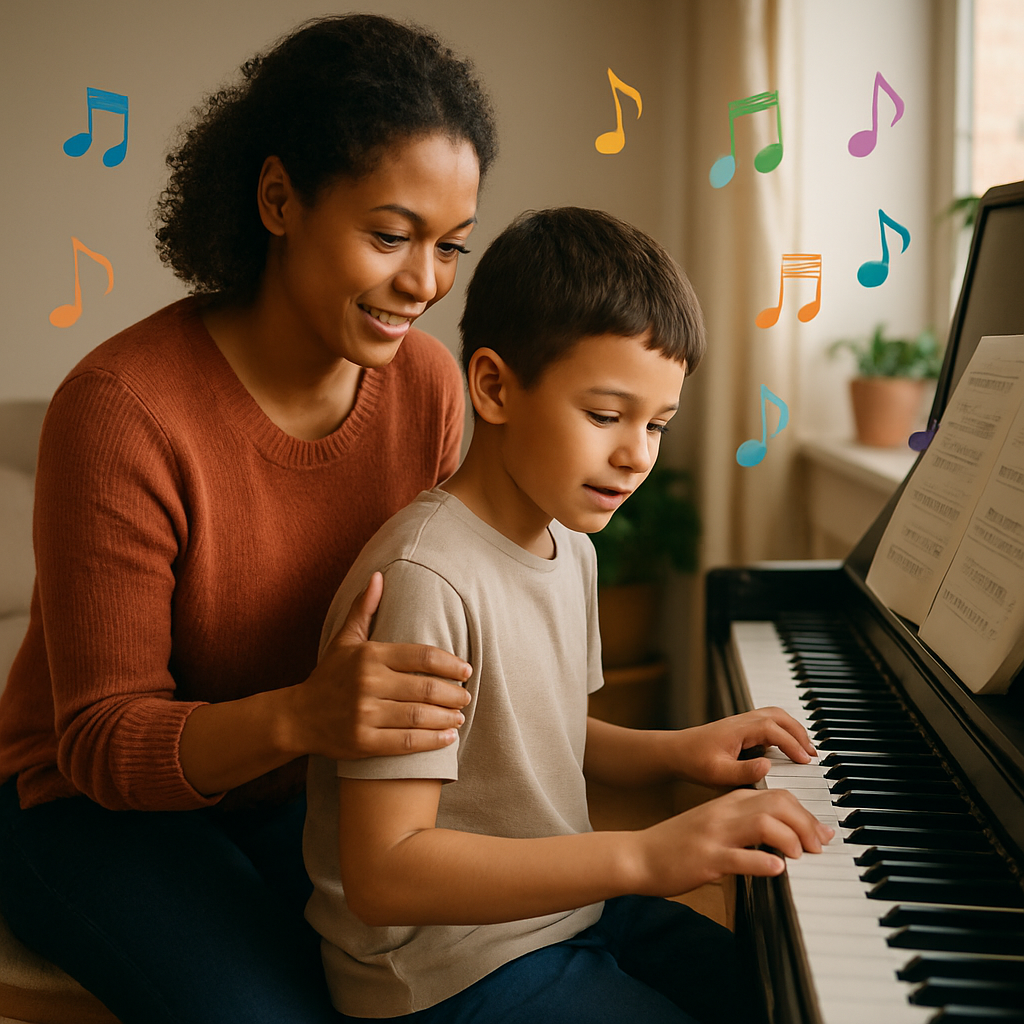
Strategies for Autistic Children to Engage with Music Effectively
Music can be an incredible outlet for autistic children, but it may require tailored approaches. Here are some effective strategies for fostering engagement:
- Sensory-Friendly Environment: Create a calm space free from distractions where your child feels comfortable exploring music.
- Pace the Learning: Allow them to take breaks as needed; this helps prevent overwhelm and keeps the experience enjoyable.
- Incorporate Interests: If your child loves a particular movie or character, find sheet music related to that theme-it makes learning more relatable!
Your Key Takeaway: Navigating challenges in piano lessons, whether for young learners or those with unique needs, requires patience, creativity, and encouragement. By implementing these strategies, you’ll create an environment where music becomes not just an activity but a joyful exploration!
If you want more personalized guidance tailored to your child’s needs, consider seeking out local piano instructors, or look into in-home piano tutoring. Remember: every obstacle is simply another opportunity for growth!
The Importance of Community and Collaboration in Music Learning
When it comes to piano lessons, many learners often find themselves in a solo journey, plinking away at their keyboards in isolation. But here’s the real secret: music is a social art form! Just like a band needs its members to create harmony, you too can benefit from the power of community and collaboration in your musical education.
The Benefits of Group Lessons or Ensembles for Children
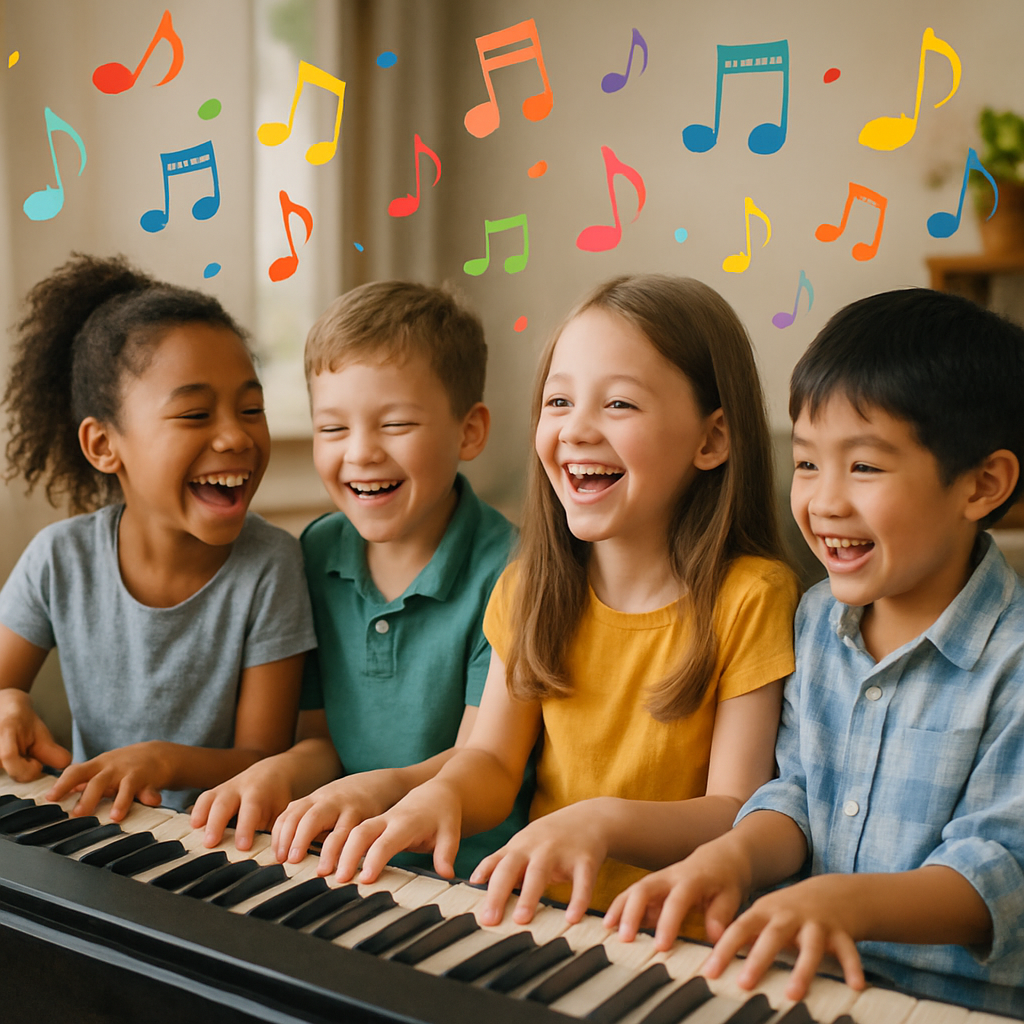
Imagine your child in a vibrant room filled with other budding pianists, each one adding their unique flair to the mix. Group lessons or ensembles can be game-changers for young learners. Here’s why:
- Social Skills: Playing with others fosters teamwork and communication skills. Your child learns to listen and respond, just like in a conversation.
- Motivation Boost: Nothing like a little friendly competition! Seeing peers progress can inspire kids to practice more diligently.
- Varied Perspectives: Each student brings something different to the table-whether it's a unique interpretation of a piece or fresh practice techniques.
Plus, group settings often lead to spontaneous jam sessions-who knows what musical magic might happen when kids start improvising together? It’s like an impromptu concert that builds confidence and creativity!
Finding Local Music Communities and Online Resources for Support
If your child is ready to dive deeper into their musical journey, connecting with local music communities can be incredibly rewarding. Here are some tips on how to find these supportive environments:
- Check Community Centers: Many local community centers offer group piano classes, workshops, or even recitals that encourage interaction among students.
- Join Online Forums: Websites dedicated to music education often have forums where learners share tips, resources, and experiences. This is especially useful for those looking to learn piano online.
- Social Media Groups: Platforms like Facebook have groups dedicated to piano enthusiasts where members share advice, sheet music for beginners, and even organize meetups!
Your Next Step: Encourage your child to participate in local music events or online communities. This not only enhances their learning experience but also builds lasting friendships with fellow musicians!
The bottom line? Whether through children's piano lessons, group collaborations, or engaging with local instructors, being part of a community can enrich the learning process immeasurably. So don’t let your musical journey be a solo act; seek out others who share your passion for the piano!
Conclusion: Embracing the Joy of Music Beyond Lessons
As we wrap up our exploration of the secrets of professional pianists, it's essential to remember that piano lessons are just the beginning of a much larger journey. Think of your piano education as the first chapter in an epic novel, filled with twists, turns, and delightful surprises waiting to be uncovered.
The real joy of music lies beyond the confines of structured piano classes. Yes, learning from a certified piano teacher or through online piano courses is crucial, but it’s what you do with that knowledge that truly matters. Embracing creativity and self-expression can turn your practice into a vibrant adventure rather than a chore.
Finding Your Unique Voice
One common misconception is that to be a great pianist, you must strictly adhere to classical techniques or follow every note on the sheet music. But here’s the kicker: professional pianists often break the rules! They explore various styles-from jazz piano lessons to improvisation-finding their unique voice along the way. So don’t be afraid to experiment!
- Explore Different Genres: Dive into everything from classical masterpieces to modern pop hits. Each genre adds a new layer to your musical identity.
- Create Your Own Arrangements: Take popular songs and give them your twist. This not only enhances creativity but also solidifies your understanding of music theory.
- Collaborate with Others: Whether in group piano classes or jam sessions with friends, collaboration can spark inspiration and lead to new musical ideas.
The Power of Community
Your musical journey doesn’t have to be traveled alone. Connecting with fellow learners-whether through local music schools or online forums-can provide support and motivation. Engaging with others allows you to share experiences, challenges, and triumphs, making the learning process more enjoyable.
Your Action Step: Seek out local music communities or online groups where you can share your progress and learn from others. This camaraderie will enrich your experience and keep you motivated!
A Lifelong Journey
Remember that learning how to play the piano is not just about reaching a destination; it’s about enjoying every note along the way. As you continue taking private piano lessons, consider how each piece you learn contributes not only to your skills but also to your emotional expression and personal growth as an artist.
If you're ready for more than just lessons-if you're eager for an adventure in sound-then embrace this journey wholeheartedly! Dive into resources like music theory for pianists, practice regularly while experimenting with improvisation, and always keep that spark of joy alive as you play.
The keys are waiting for you; let them sing your story!
Additional Resources for Parents and Educators
Now that we've uncovered some of the hidden gems in piano lessons, it’s time to equip you with additional resources that can enhance your child’s musical journey. Whether you’re a parent looking for ways to support your budding pianist or an educator seeking fresh insights, these resources will help you navigate the exciting world of music education!
Online Platforms for Supplementary Learning
The internet is a treasure trove of resources that can complement traditional piano classes. Here are some fantastic platforms where students can learn piano online, explore new techniques, and even connect with other music enthusiasts:
- Flowkey: This app offers interactive lessons and a vast library of songs, making it perfect for both beginners and advanced learners.
- Piano Marvel: Designed for all ages, this platform provides structured lessons and real-time feedback to improve skills quickly.
- YouTube Channels: Channels like "Pianote" and "Josh Wright Piano" offer free tutorials ranging from beginner to advanced piano instruction, including tips on how to play popular songs on the piano.
- MusicTheory.net: A fantastic resource for understanding music theory concepts essential for any pianist!
Local Music Schools and Community Programs
If you prefer face-to-face interaction, local music schools and community programs are great options. Here’s how to find them:
- Community Centers: Many offer group piano classes, workshops, or recitals that encourage interaction among students.
- Local Music Schools: Search for reputable institutions in your area that provide structured courses tailored to different age groups and skill levels.
- Piano Competitions: These events not only motivate young pianists but also allow them to showcase their skills and learn from others.
- Piano Meetups: Check out local meetups where musicians gather to play together-it's a fun way to build community while honing skills!
Your Action Step: Whether online or in-person, explore these resources with your child. Encourage them to try different platforms or schools until they find what resonates best with their learning style!
The beauty of music education lies in its diversity; from children's piano lessons to adult learners seeking new challenges, there’s something out there for everyone. By leveraging these additional resources, you’ll not only enrich your own understanding but also help foster a love of music that lasts a lifetime!