
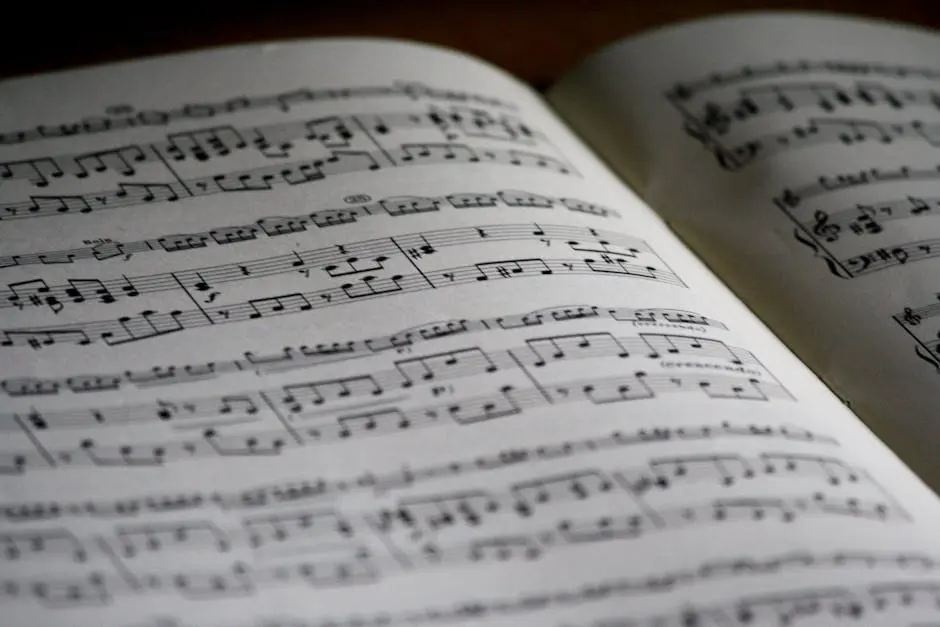
Embarking on your piano journey can be an exciting yet overwhelming experience, especially for parents with small children, homeschoolers, and those teaching autistic children. At Piano Wizard Academy, we believe that music should be a joyful part of everyone's life. This guide will walk you through the beginning stages of piano lessons, offering tips and techniques to ensure a successful start.
Understanding the Basics: Why Begin with Piano?
Picture this: your child is seated at a piano, and with every key pressed, there's not just music, but a blossoming of creativity and joy. Sounds idyllic, right? But why is the piano often the instrument of choice for beginners? Let's dive into this melodious journey!
Piano as the Musical Foundation
Much like how you wouldn't build a house on quicksand (unless you're looking for some very wobbly dinner parties), starting your musical journey with the piano provides a solid foundation. The piano's layout visually represents music theory concepts, making it an excellent tool for grasping basic piano skills and understanding notes and scales.
- Visual Learning: The keys are laid out in a linear fashion which helps in understanding note intervals.
- Immediate Sound Production: Unlike other instruments where sound quality depends heavily on technique, the piano lets learners produce sound immediately.
- Versatile Repertoire: From classical pieces to jazzy tunes and even contemporary hits, there's a wide array of easy piano songs for beginners.
Piano Lessons: A Pathway to Academic Success
The benefits of taking beginning piano lessons extend beyond the instrument itself. Research indicates that children who engage in music lessons exhibit enhanced academic performance. According to a study by The NAMM Foundation, young musicians often demonstrate better spatial-temporal skills which can translate into improved math abilities (source)! That’s like acing math class while having fun with Mozart!
A Perfect Fit for Everyone
No matter your child's age or learning preference, starting with introductory piano lessons caters to varied needs:
- Sensory Development: Particularly beneficial for autistic children due to its structured yet creative nature.
- Cognitive Boost: Supports homeschooling setups by integrating rhythm and timing into daily learning.
- Lifelong Skill: The joy of playing familiar melodies never diminishes; it's a skill one cherishes forever.
The first steps in playing piano are not just about striking keys; they're about unlocking potential – one note at a time. So whether your little one dreams of being the next Beethoven or simply enjoys tapping away during playtime, remember that each melody carries them closer to success!
Setting Up for Success: Creating an Optimal Learning Environment
Embarking on your child's musical journey with beginning piano lessons is akin to planting a seed. With the right environment, it can grow into a beautiful symphony of skill and joy. But before your little Mozart begins their masterpiece, let's ensure their surroundings are more Beethoven than broken record.
A Space That Speaks to Creativity
First things first—where you choose to place your piano can significantly impact your child's learning experience. Ideally, you'll want a spot that's quiet but not isolated. A space where family life hums along in the background can make practice sessions feel less like chores and more like casual playtime.
- Lighting: Natural light is a mood booster and helps reduce eye strain. If that's not possible, opt for a soft lamp that doesn’t cast awkward shadows on the keys.
- Temperature: Keep it comfortable but not too cozy. You want them awake and alert, not lulled into dreamland by excessive warmth.
- Seating: Ensure that the piano or keyboard bench is the right height. Correct posture is key to developing fundamental piano techniques without strain.
The Sound of Success
If you think practicing "Chopsticks" endlessly is grating now, imagine if your budding pianist could barely hear themselves over background noise! Headphones can be a savior here—especially with digital pianos—and allow for focused sessions without disturbing the household peace.
Minimizing Distractions: The Art of Focus
Avoid placing the piano near distractions like TVs or high-traffic areas of your home. As curious as children are, the allure of cartoons might just upstage Bach! Instead, consider adding some inspiring music-related artwork nearby or even creating a small gallery of achievements as they progress through their beginner piano exercises.
The Tools of Trade
Your child might be ready to conquer their first concerto with enthusiasm alone, but some tools will make the journey less rocky:
- Piano Wizard Academy Resources: For those leveraging online platforms like ours, having a tablet or laptop nearby can facilitate easy access to interactive lessons and [beginner keyboard lessons](https://pianowizardacademy.com/campus/blog/elements-of-music-1/intro-to-the-layout-of-the-piano/).
- Sheet Music Stand: Trust us—holding sheet music with one hand while trying to play "Twinkle Twinkle Little Star" one-fingered is an awkward juggling act best left untried!
- Metrical Assistants: Those rhythm-nudging metronomes might seem old-school but are timeless allies for understanding rhythm and timing in beginner piano lessons.
A well-prepared space isn't just about aesthetics; it's about nurturing growth with intention and care. By creating an environment tailored for musical success, you're offering more than just beginning piano lessons—you're laying down notes in your child's symphony of lifelong learning. Ready to tune into this harmonious journey? Let's hit that first note together!
Starting Piano Lessons: First Steps in Playing Piano
Embarking on your child's musical journey is akin to setting sail on a vast ocean of creativity and joy. The first note they play might be a bit wobbly, much like a toddler's first steps, but with each key strike, they'll gain confidence and skill. You're not just starting piano lessons; you're unlocking a world of possibilities.
The Roadmap to Your First Piano Lesson
- Set Up the Space: Make sure your child has a comfortable space to practice. A well-lit room with minimal distractions, paired with an appropriately sized bench or chair, can make all the difference.
- Instrument Basics: Introduce your child to the piano layout. Understanding where middle C is can be a game-changer! If you need help with this, our guide on the piano layout can provide clarity.
- Finger Numbering: Teach them the basics of finger numbering (thumb as #1), which will help with exercises and beginner piano sheet music.
- Rhythm and Timing: Simple clapping exercises or using household items as makeshift drums can introduce rhythm before they even hit their first key.
Piano Lessons: Where to Begin?
The magic truly begins when structured beginning piano lessons start. These lessons are designed to instill basic piano skills while keeping things engaging. Remember, it's not just about playing notes; it's about having fun!
"Music gives wings to the mind, flight to the imagination and life to everything." — Plato
A Few Tips for That First Lesson:
- Pace it Right: Everyone learns at their own speed. Whether your child picks up "Twinkle Twinkle Little Star" in one go or takes several tries, encourage them every step of the way.
- Incorporate Games: Use musical games or apps that help reinforce what they've learned in a fun way.
- Create Mini Goals: Setting small milestones—like mastering easy piano songs for beginners—can keep motivation high and give them something concrete to celebrate!
If you're looking for more detailed tips, check out our blog on getting the most out of your piano lessons by visiting this link.
The Journey Ahead
Your child's initial stages of learning piano are just the tip of the iceberg in their musical voyage. As they progress through beginner scales for piano and fundamental techniques, they'll uncover not just melodies but also an invaluable sense of discipline and creativity.
The best part? You'll witness moments of pure joy as they strike their first perfect chord or play through an entire piece without errors—a feeling that rivals any standing ovation.
Engaging Learning Resources: Making Lessons Fun and Interactive
Embarking on the journey of beginning piano lessons should feel like opening the gateway to a magical realm, where every note resonates with joy and discovery. At Piano Wizard Academy, we believe that the secret ingredient to a successful musical voyage is making learning an engaging and interactive experience for all ages, especially for our youngest maestros. Here’s how you can add a dash of enchantment to your piano lessons:
1. Embrace Technology with Interactive Apps
- Piano Maestro: This app turns your tablet into an interactive keyboard, providing real-time feedback as you play along with popular tunes and beginner scales for piano. It's perfect for keeping young learners engaged while subtly sneaking in essential skills.
- Simply Piano: Another gem in the app world, Simply Piano adapts its lessons to the user's skill level, making it ideal for early childhood piano instruction.
Both apps create a gamified experience, motivating kids to practice more frequently—because who doesn’t love a good game?
2. Leverage Online Video Tutorials
YouTube is brimming with piano tutorials for beginners that break down complex concepts into bite-sized, digestible pieces. Channels like Pianote and Hoffman Academy offer engaging video content that covers everything from beginner finger exercises for pianists to understanding rhythm and timing in beginner piano lessons. The visual aspect helps children connect with the music while they learn foundational piano techniques.
3. Incorporate Storytelling and Role-Playing
Create stories where each note has a character or adventure. Imagine middle C going on a magical quest or teach basic chord progressions on piano through storytelling. This not only makes the lesson fun but also helps mnemonic retention—a win-win!
4. Use Beginner Music Books with Colorful Illustrations
A picture speaks a thousand words—or notes! Books like "Piano Adventures" offer vibrant illustrations alongside sheet music, making it easier for young learners to associate images with sounds as they explore easy classical pieces for beginners on the piano.
5. Engage in Group Lessons or Duets
The social aspect of music can't be underestimated. Engaging in group lessons or duets can help children build confidence and learn from peers while playing simple melodies for beginner pianists together.
The journey of learning to play the piano should be as delightful as discovering hidden treasures within oneself through music. By incorporating these resources into your introductory piano lessons, you're not just teaching notes; you’re helping craft cherished memories that will last a lifetime.
Nurturing Consistency: Tips for Successful Practice Sessions
Embarking on your child's piano journey is like planting a musical seed. To help it flourish, nurturing consistency in practice sessions is key. Think of it as watering a plant; while daily diligence might seem daunting, it's what brings life to those early tunes.
1. Create a Musical Sanctuary
First things first, designate a space at home where your child can learn to play piano without distractions. This doesn't have to be grand—a cozy corner in the living room can do the trick, as long as it's inviting and free from noise that competes with their budding Mozart moments.
2. Establish a Routine
- Time matters: Set a regular time for practice daily or several times a week. Whether it's before dinner or just after school, consistency helps build familiarity and comfort.
- Duration counts: Start with short sessions—just 10 to 15 minutes may suffice for beginners. Gradually increase this time as they grow more comfortable with their basic piano skills.
3. Break It Down
Tackling an entire song might be overwhelming initially; instead, focus on small segments. Encourage your child to master one hand at a time or just a few measures per session. This approach not only makes learning more manageable but also boosts confidence when they see progress in little strides.
4. Celebrate Small Wins
Acknowledge every milestone, no matter how tiny! Whether they've mastered playing "Mary Had a Little Lamb" without pausing or remembered all the notes in C major scale, celebrate it! Positive reinforcement fuels motivation and love for music.
5. Use Technology Wisely
The digital age is here to help! Many apps and online tutorials provide interactive ways to keep practice sessions fun and engaging. Consider some online piano lessons for beginners that offer immediate feedback—a feature that is often lacking in traditional methods.
6. Be Flexible Yet Firm
If your child seems particularly restless or tired one day, don't push too hard—quality trumps quantity any day! That said, maintain gentle encouragement to ensure they don't fall out of practice entirely.
Nurturing consistency doesn't mean being rigid; it's about creating an enjoyable habit that becomes second nature over time. Remember, your role is akin to being a cheerleader on the sidelines—encouraging them every step of the way without taking away their independence in learning this beautiful instrument!
Cultivating Passion: Encouraging a Lifelong Love for Music
Embarking on the journey of beginning piano lessons is like unearthing a treasure chest of joy and creativity. As parents and educators, fostering a love for music in children is akin to planting seeds that can flourish into magnificent musical experiences. Here are some delightful ways to cultivate this passion:
1. Create a Musical Environment
- Surround Them with Music: Play a variety of music genres at home. From classical pieces to popular tunes, let your child hear the diversity in music.
- Introduce Easy Piano Songs for Beginners: Encourage your child with songs they recognize, like "Twinkle Twinkle Little Star".
- Accessible Instruments: Keep the piano or keyboard accessible so spontaneous practice can happen anytime.
2. Celebrate Small Wins
Acknowledge every achievement, no matter how small. Whether it's mastering basic piano skills or executing simple melodies for beginner pianists, celebrate like they've just performed at Carnegie Hall!
3. Encourage Exploration and Creativity
- Piano Tutorials for Beginners: Use online resources that offer step-by-step guides to learning the piano.
- Improvisation Sessions: Allow them to create their own tunes; this nurtures creativity and confidence.
- Storytelling through Music: Teach them to express feelings through their music—whether it's joy, excitement, or even silliness!
The Impact of Early Musical Education
The benefits of integrating early childhood piano instruction extend beyond mere musical ability. Studies have shown that learning music can enhance cognitive skills, improve memory, and even boost social interactions.[1]
"Music training induces structural changes in brain regions responsible for sound processing and enhances neural responses to pitch changes."[2]
Cultivating a love for music isn't just about playing an instrument; it's about inspiring curiosity and wonder in young minds. Remember, the ultimate goal is not perfection but rather enjoyment and personal growth in their musical journey.
[1] National Library of Medicine - Effects of Music Training on Cognition: https://www.ncbi.nlm.nih.gov/pmc/articles/PMC5768895/
[2] National Library of Medicine - Neural Changes Induced by Music Training: https://www.ncbi.nlm.nih.gov/pmc/articles/PMC5768895/
Conclusion: Your Path to Musical Mastery Begins Today!
Laying down the foundational blocks right from the first steps is critical in mastering any skill, including playing the piano. With patience, persistence, and playful learning methods offered by Piano Wizard Academy, anyone can embark on this rewarding journey with confidence. Whether you're homeschooling, teaching autistic children, or simply introducing your child to music, these beginning steps will set them up for success.