

Introduction
So, what’s the deal with these MIDI keyboards? Think of them as your musical Swiss Army knife. They can transform your digital music journey from a simple melody into a full-blown symphony. Whether you’re using a USB MIDI keyboard, a compact MIDI keyboard, or even an advanced MIDI controller keyboard, these devices are designed to make music creation not just possible but downright fun!
But wait what exactly is a MIDI keyboard? Well, it’s like having a digital piano that connects seamlessly with your computer and music software. This means you can compose, record, and produce music without needing an entire orchestra (unless that’s your thing!). From beginners looking for an affordable MIDI keyboard to advanced musicians seeking an 88 key MIDI keyboard with all the bells and whistles there's something for everyone.
As we journey through this guide, expect to uncover:
- The different types of MIDI keyboards available today.
- A breakdown of features that can enhance your music-making experience.
- Tips on integrating these keyboards with virtual instruments and DAW software.
- How to choose the best MIDI keyboard tailored to your needs whether you're just starting out or you're a seasoned pro!
So grab your headphones and get ready! Let’s make some noise and explore how these nifty gadgets can elevate your musical endeavors!
What is a MIDI Keyboard?
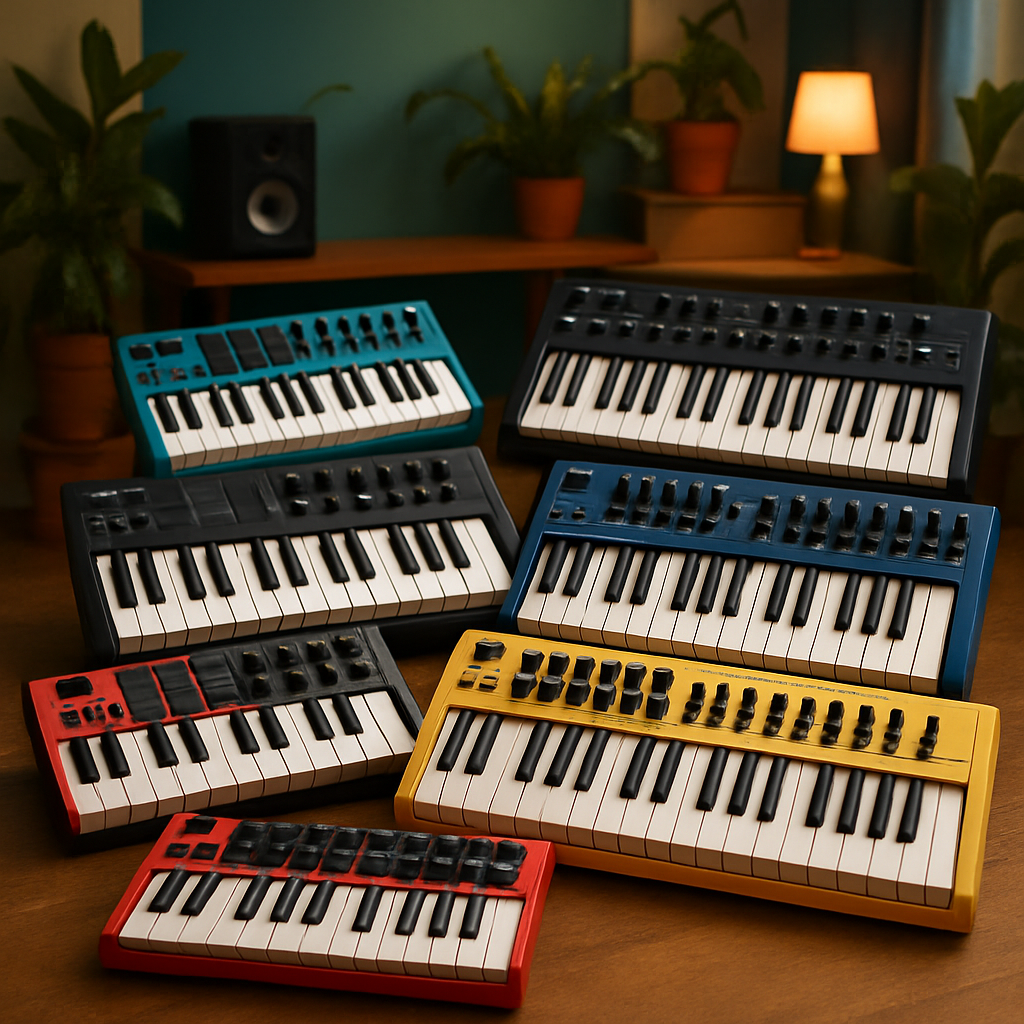
So, what exactly is a MIDI keyboard? Imagine a magical bridge between your creative ideas and the vast universe of digital music. A MIDI keyboard is essentially a musical instrument that uses the MIDI (Musical Instrument Digital Interface) protocol to communicate with your computer or music software.
In simpler terms, it’s like a digital piano, but instead of producing sound on its own, it sends signals (or MIDI input) to your computer, which then generates sounds through software instruments. Think of it as a conductor leading an orchestra it tells the virtual musicians what to play without actually making the sounds itself!
MIDI keyboards come in various shapes and sizes, from compact MIDI keyboards that fit snugly in your backpack to full-size models boasting 88 keys for those who prefer the classic piano feel. They can be equipped with features like touch-sensitive keys that respond to how hard you play (hello, velocity sensitive keys!), aftertouch capabilities for expressive playing, and even drum pads for those looking to tap into their inner beatmaker.
A fun fact: MIDI technology has been around since the early '80s! It revolutionized music production by allowing different devices to communicate seamlessly. Today, it's still at the heart of modern music-making.
Why Use a MIDI Keyboard?
If you're delving into music production or simply want to create beautiful melodies at home, having a MIDI controller can be a game changer. Here’s why:
- Integration with DAW Software: Most MIDI keyboards are compatible with popular digital audio workstations (DAWs), making them perfect for composing and recording.
- MIDI Mapping: You can customize controls on your keyboard to interact directly with your favorite music software, giving you hands-on control over your productions.
- Portability: Many models are lightweight and easy to transport perfect for musicians on the go or those who want to set up their studio anywhere!
- Diverse Features: From assignable knobs and sliders for tweaking effects to built-in arpeggiators that add flair to your compositions, there’s something for everyone!
The Evolution of MIDI Keyboards
The world of MIDI keyboards has evolved significantly over the years. Today’s options range from beginner-friendly models designed for those just starting out (think affordable MIDI keyboards) to advanced setups suitable for seasoned pros looking for precision and depth in their productions.
No matter where you are on your musical journey whether you're homeschooling kids interested in music or nurturing creativity in autistic children investing in a quality MIDI keyboard can open up endless possibilities. It transforms not just how you make music but also how you experience it!
Types of MIDI Keyboards
When diving into the world of MIDI keyboards, it can feel like entering a candy store so many options, and each one has its own flavor! Whether you're a budding musician or a seasoned pro, understanding the different types of MIDI keyboards can help you find the perfect fit for your music production needs. Let’s break them down:
Portable MIDI Keyboards
If you're always on the go or need something that won't take up half your living room, a portable MIDI keyboard is your best bet. These lightweight wonders are easy to pack up and bring along to jam sessions or coffee shop songwriting dates. Plus, they often come with USB connectivity, making them compatible with various music software.
Full Size MIDI Keyboards
For those who want the feel of an actual piano under their fingers, a full size MIDI keyboard (typically featuring 88 keys) is ideal. They provide a more authentic playing experience and are perfect for serious musicians looking to replicate that classic piano vibe in their compositions.
Mini MIDI Keyboards
A mini MIDI keyboard is like the fun-sized candy bar of the keyboard world compact, cute, and surprisingly versatile! Perfect for beginners or anyone with limited space, these keyboards often come packed with features like velocity-sensitive keys and drum pads on MIDI keyboards.
88 Key MIDI Keyboards
If you’re serious about piano performance or music production, an 88 key MIDI keyboard will give you everything you need and then some. These beasts offer a full range of keys and often include advanced features such as touch-sensitive keys on a MIDI controller and aftertouch functionality.
MIDI Controller Keyboards
The Swiss Army knife of the music world! A dedicated MIDI controller keyboard not only allows you to play notes but also lets you control various parameters in your DAW software. With assignable knobs and sliders, they provide extensive capabilities for live performances or studio sessions.
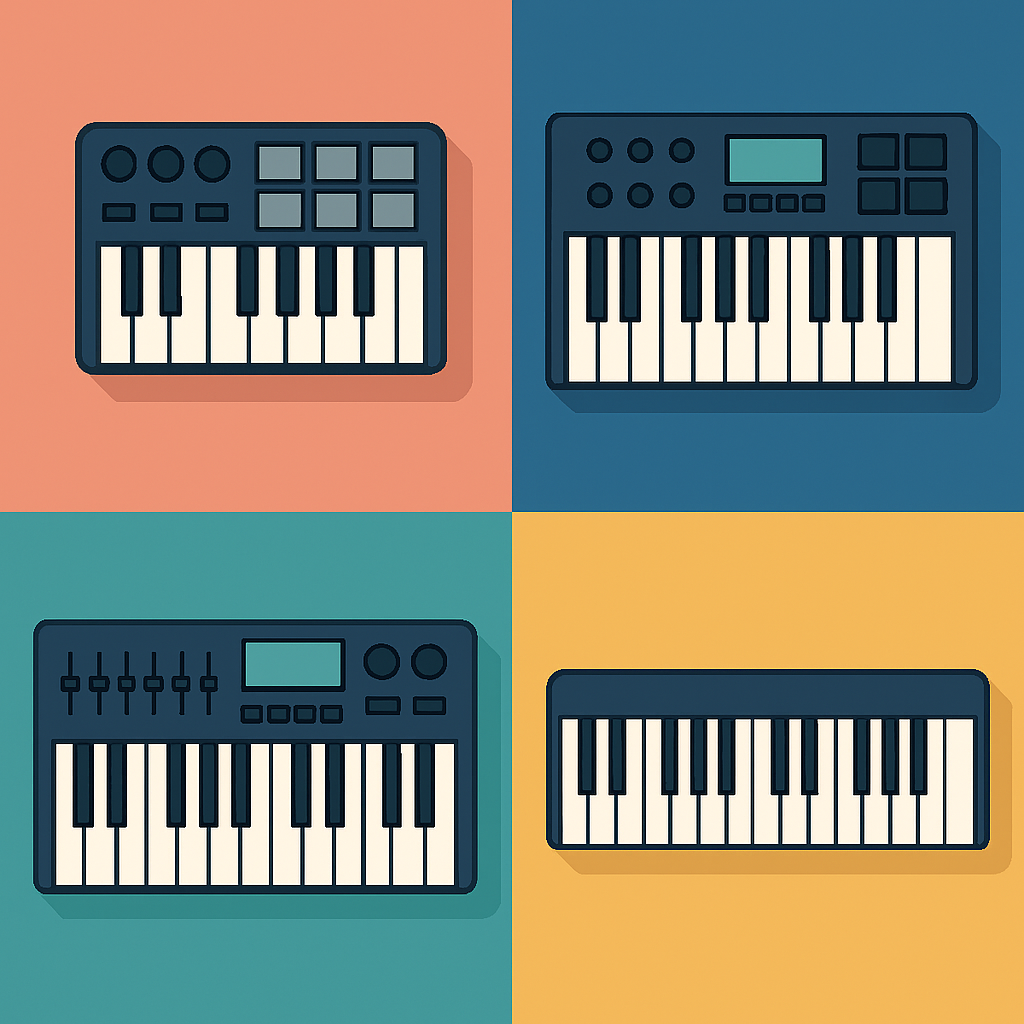
Remember: The best MIDI keyboard for you depends on your specific needs whether you're producing beats at home or performing live on stage!
Now that we’ve explored the various types of MIDI keyboards, it’s time to think about what features matter most to you. Stay tuned as we dig deeper into essential features in our next section!
MIDI Keyboard Features to Consider
When diving into the world of MIDI keyboards, it's easy to get overwhelmed by the multitude of features available. Fear not! Let’s break down the key elements that will help you choose the best MIDI keyboard for your music production journey.
Velocity Sensitive Keys
Imagine playing a digital piano where every note you hit feels like a live performance. That’s what velocity sensitive keys bring to the table! These keys respond to how hard or soft you play, making your music feel more expressive and dynamic. This feature is essential for anyone looking to create realistic performances, whether you're composing a symphony or laying down some funky beats.
Aftertouch Feature
If velocity sensitive keys are like the icing on your MIDI cake, then aftertouch is the cherry on top! This nifty feature allows you to apply pressure after striking a key, adding an extra layer of expression. It’s particularly useful for synthesizer keyboards where you might want to modulate effects or add vibrato without lifting your fingers off the keys.
Drum Pads on MIDI Keyboards
For those who love beats (and who doesn’t?), having drum pads on your MIDI keyboard can be a game changer. These pads allow you to trigger samples and beats with ease, giving you that hands-on feel when creating music. Whether you're a beginner or an advanced user, drum pads can spark creativity and make beat-making feel like child’s play!
Assignable Knobs and Sliders
If you've ever wished for more control over your music software, then look no further than assignable knobs and sliders. These little wonders let you tweak parameters in real-time think volume levels, effects, and filters all at your fingertips. It’s like having a mini mixing console right on your portable MIDI keyboard!
Tip: When choosing a MIDI controller keyboard, consider how many knobs and sliders you'll realistically use during production. More isn’t always better if they end up collecting dust!
In summary, these features velocity sensitive keys, an aftertouch feature, handy drum pads, and customizable controls with assignable knobs and sliders are essential considerations when selecting your MIDI keyboard. They not only enhance your playing experience but also improve your overall workflow in music production.
MIDI Connectivity Options
When you're diving into the world of music production with your MIDI keyboard, understanding the various connectivity options is crucial. Think of it as choosing how to get to the party you want the best route that suits your style and needs!
USB MIDI Keyboard Connections
The most common and user-friendly option is the USB MIDI keyboard. These keyboards plug directly into your computer, making them a breeze to set up. They offer:
- Plug and Play: No need for extra drivers; just connect and go!
- Power Supply: Most USB MIDI keyboards draw power from your computer, so you can keep things simple.
- Compatibility: Works seamlessly with most music software, making it a top choice for beginners and pros alike.
MIDI Interface Options
If you're looking to expand your setup or connect multiple devices, a MIDI interface might be your best friend. Here’s why:
- Multiple Connections: Connect several MIDI devices at once, like a synthesizer keyboard or drum machine.
- MIDI Mapping: Easily map controls on different devices to your preferred settings in music production software.
- Enhanced Control: Some interfaces come with features like MIDI Thru ports for even more flexibility.
The beauty of modern connectivity is that you can mix and match! Whether you’re using a compact MIDI keyboard or an advanced model with all the bells and whistles, choosing the right connection method can significantly enhance your music-making experience.
MIDI Mapping for Music Production Software
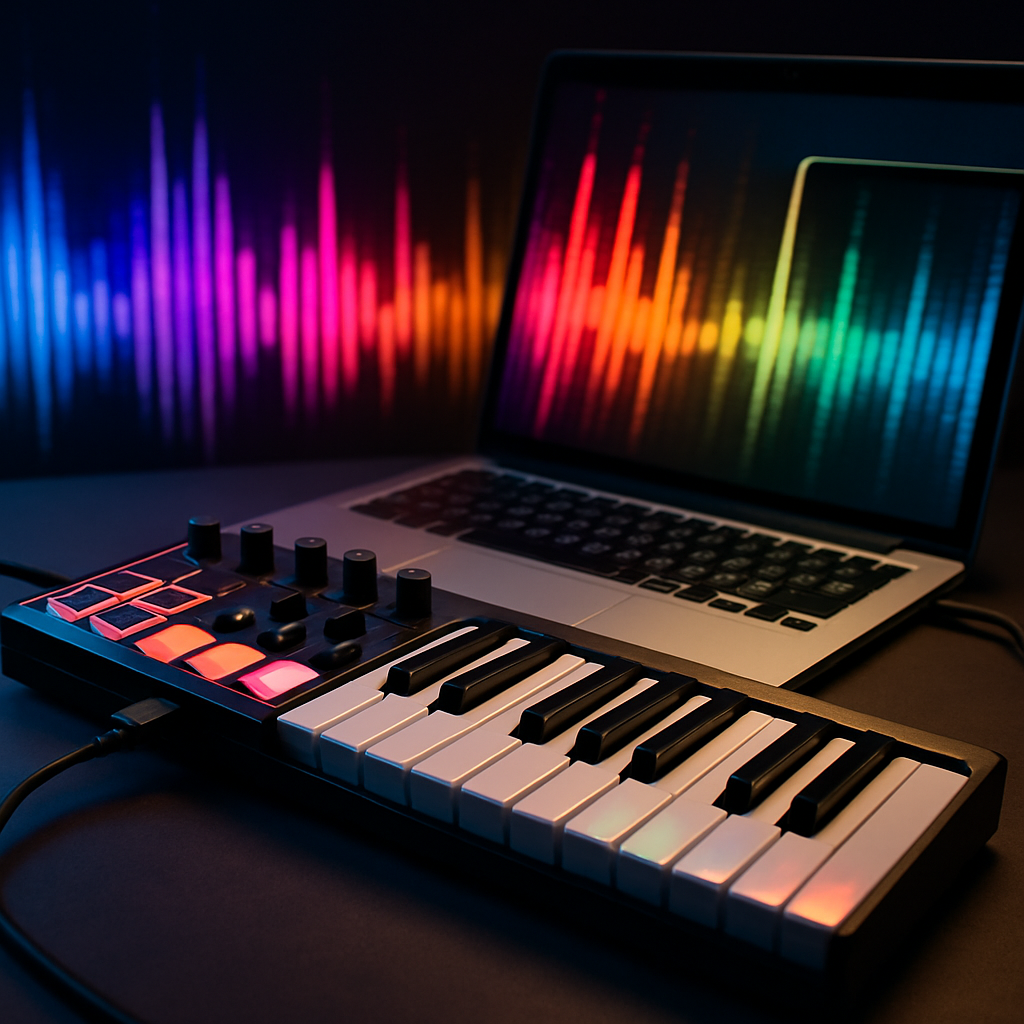
Welcome to the magical world of MIDI mapping, where your MIDI keyboard transforms into a powerhouse of creativity! Whether you're rocking a compact MIDI keyboard or a full-size MIDI controller, understanding how to map it to your music production software can elevate your digital music game. So, let’s dive in!
Integrating MIDI Keyboards with Virtual Instruments
First things first, let’s talk about integration. Your USB MIDI keyboard is like the bridge between your musical ideas and the vast ocean of sounds offered by virtual instruments. When you plug in your keyboard, make sure to check:
- The compatibility with your chosen music software.
- If it supports MIDI input for seamless communication.
- Whether it has special features like touch-sensitive keys on a MIDI controller that enhance performance.
Once connected, you can start mapping keys to specific sounds or functions within your software. For example, you could assign a key on your beginner MIDI keyboard to trigger a drum sound or control effects like reverb with an assignable knob. It’s like giving each key its own personality!
MIDI Sequencing Capabilities
Now that you’ve got the basics down, let’s talk about MIDI sequencing capabilities. This is where things get really fun! With proper mapping, you can:
- Create complex sequences that layer multiple instruments.
- Edit note velocities and timing for that professional touch.
- Utilize features like aftertouch for expressive playing imagine adding subtle nuances to your melodies!
A common misconception is that all MIDI keyboards are created equal when it comes to sequencing. Not true! Some advanced MIDI keyboards come equipped with built-in sequencers that allow for even more intricate compositions without needing additional software.
Takeaway: Mastering MIDI mapping opens up endless possibilities for creativity in music production. Experiment with different mappings and find what works best for your workflow!
Selecting the Best MIDI Keyboard for Your Needs
Choosing the right MIDI keyboard can feel like searching for a needle in a haystack, especially with so many options available. But fear not! Whether you're a budding Beethoven or an electronic music maestro, there’s a perfect match out there for you.
1. Assess Your Skill Level
Are you just starting out or are you already composing symphonies in your sleep? Your skill level will largely dictate which type of MIDI controller is best suited for your needs:
- Beginner MIDI Keyboards: Look for compact MIDI keyboards with fewer keys (like mini MIDI keyboards) that are lightweight and portable. These often come with built-in tutorials to help you get started.
- Advanced MIDI Keyboards: If you're ready to dive deep into music production, consider a full-size MIDI keyboard or an 88 key MIDI keyboard with velocity sensitive keys and aftertouch features. These will give you more expressive control over your music.
2. Consider Your Music Style
Your musical genre can influence the features you need:
- If you're into electronic music, look for a MIDI controller keyboard with drum pads on MIDI keyboards and assignable knobs and sliders to tweak sounds live.
- If classical is more your jam, opt for a USB MIDI keyboard that mimics the feel of an acoustic piano.
3. Think About Portability
If you plan on taking your music on the road, consider:
- Portable MIDI Keyboards: Lightweight and easy to carry, these are perfect for musicians on the go!
- Compact MIDI Keyboards: Great for small spaces and easy to fit into any backpack.
4. Check Compatibility with Music Software
Your new MIDI keyboard should play nice with your favorite DAW software. Look for models that are known to be compatible with various platforms like Ableton Live, FL Studio, or Logic Pro X.
Pro Tip: Always check if the keyboard has built-in presets for popular software to make setup easier!
5. Budget Wisely
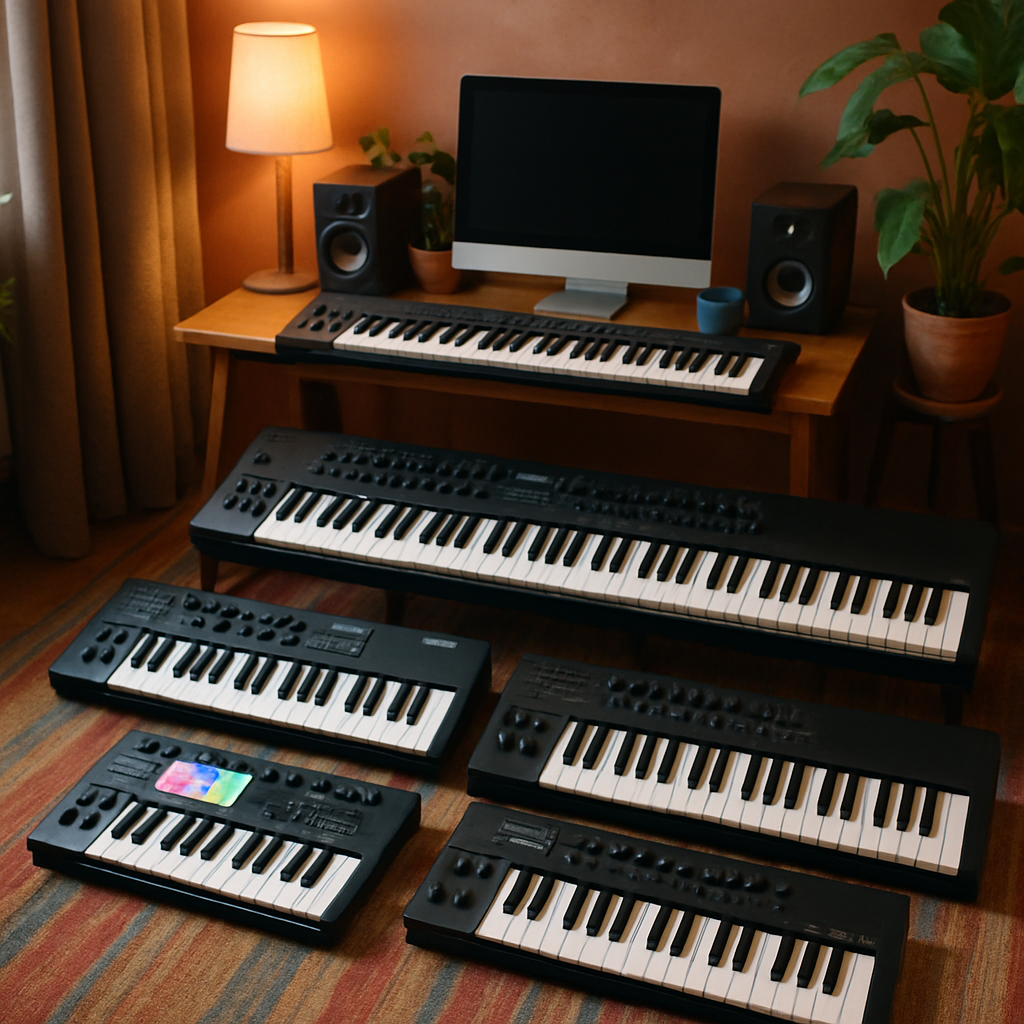
MIDI keyboards come in all price ranges. Here’s how to get the best bang for your buck:
- Affordable MIDI Keyboards for Beginners: You don’t need to break the bank! There are plenty of options under 0 that pack a punch.
- Investing in Quality: If you're serious about music production, investing in an advanced model could save you money in the long run due to better durability and features.
MIDI keyboards can significantly enhance your creative workflow by providing intuitive control over virtual instruments and effects.
No matter what stage you're at in your musical journey, selecting the best midi keyboard means understanding what features will help elevate your creativity while keeping things fun!
Conclusion
So there you have it, folks! The world of MIDI keyboards is vast and exciting, and whether you're a budding musician or a seasoned pro, there's a perfect match out there for you. From the compact MIDI keyboards that fit snugly in your backpack to the full-size MIDI controller keyboards that command the stage, the options are endless.
As we've explored, these nifty devices are not just about hitting keys; they open up a universe of possibilities for music production. With features like velocity sensitive keys, drum pads, and assignable knobs and sliders, your creativity can flow like a river of melodies. Plus, with modern connectivity options like USB MIDI connections and wireless capabilities, integrating your MIDI keyboard with your favorite music software has never been easier.
Remember: Choosing the best MIDI keyboard for your needs means considering what features matter most to you be it portability, key count, or advanced functionalities. And don’t forget about those affordable MIDI keyboards for beginners; they can be a game-changer!
If you're ready to dive deeper into the world of digital music creation, don't hesitate to explore various models. Test out different keyboards at local music stores or online demos. Your ideal instrument is waiting to help you unleash your inner maestro!
In conclusion, embracing a MIDI keyboard could very well be the key to unlocking your musical potential. So plug in that USB cable and let the music begin!