

How to Get Started with Piano
f you're wondering how to play piano for beginners, you've come to the right place. Whether you're seven or seventy, learning to play the piano is one of the most rewarding skills you'll ever develop. The secret isn't natural talent. It's following a simple roadmap that helps you build confidence one step at a time.
Today's beginners have more resources than ever before, from online lessons and digital pianos to interactive learning tools. But with so much information available, it's easy to become overwhelmed. One source tells you to memorize scales. Another says to learn chords first. Someone else insists you must master music theory before you can play your first song.
The truth is much simpler.
The best way to learn piano is to focus on the right skills in the right order. That's exactly what this guide will help you do.
Whether your goal is to play your favorite songs, accompany friends and family, read sheet music, or simply enjoy making music for yourself, you'll learn the piano basics every beginner should know, how to choose the right instrument, how to practice effectively, and how to avoid the common mistakes that cause many new pianists to give up too soon.
So sit down at the keyboard, relax, and let's take your first confident steps toward becoming a pianist.
✅ The Importance of Music Education for Children
Music education is not just about learning notes and rhythms; it's a powerful tool for cognitive development. Studies show that children who engage in music lessons exhibit improved academic performance. This is because music helps in enhancing memory, attention, and even language skills! It's like giving your brain a workout while having fun.
Plus, early childhood piano instruction can foster creativity and self-expression. Think of it as planting a seed that grows into a beautiful tree of skills and confidence.
✅ Benefits of Learning Piano Early
- Cognitive Boost: Learning piano can enhance problem-solving skills and critical thinking.
- Emotional Development: Playing music helps children express their feelings and build resilience.
- Social Skills: Group classes or recitals encourage teamwork and communication.
- Mood Enhancer: Music has been shown to reduce stress and increase happiness-who doesn’t want that?
Learning piano offers benefits that extend beyond making music. Research has shown that music education can support concentration, creativity, memory, and problem-solving skills throughout life. The National Association for Music Education (NAfME) provides additional resources on the educational benefits of learning music.
By starting with beginner-friendly lessons, new pianists can develop essential skills while enjoying the process. Learning music should be fun from the very beginning. One of the best ways to stay motivated is by learning songs you already recognize. Playing familiar melodies builds confidence and makes practice something you'll actually look forward to.
✅ Overview of What to Expect in This Guide
- The best way to learn piano as a beginner-whether through online piano lessons for beginners, group classes, or private instruction.
- Your first piano lesson tips-what materials you'll need and how to set up your practice space.
- A step-by-step guide to learning the piano that includes beginner finger exercises for pianists and simple melodies for beginner pianists.
- An introduction to reading sheet music-because what’s a pianist without the ability to decode those mysterious notes?
- A look at foundational piano lessons that include basic chord progressions on piano and understanding rhythm and timing in beginner piano lessons.
This guide is perfect for parents homeschooling their kids or anyone interested in nurturing their musical talents from an early age. Remember, every great pianist started somewhere!
If you're ready to embark on this musical journey together, grab your keyboard, clear some space, and let’s get started on making beautiful music! Trust us; you'll be amazed at how quickly you (or your child) can pick up those fundamental piano techniques.
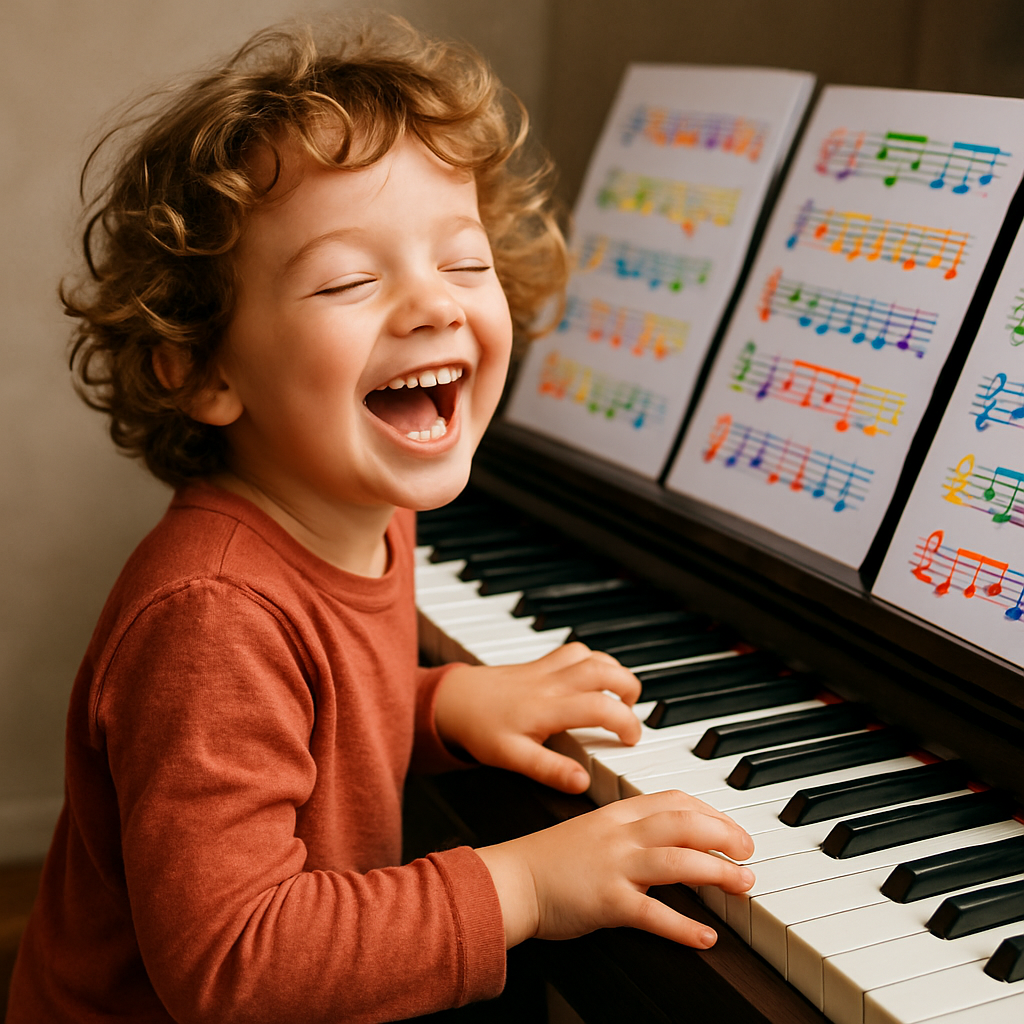
Choosing Your First Piano or Keyboard
Whatever instrument you choose, don't let the decision delay your progress. The most important step isn't buying the perfect piano. It's sitting down and playing your first notes.
If you'd like more help choosing an instrument, read our detailed guide to buying your first piano.
The best part? Once you've got your piano picked out and ready to go, you'll be one step closer to tackling those beginner finger exercises for pianists. So grab your keys and get ready-your musical journey awaits!
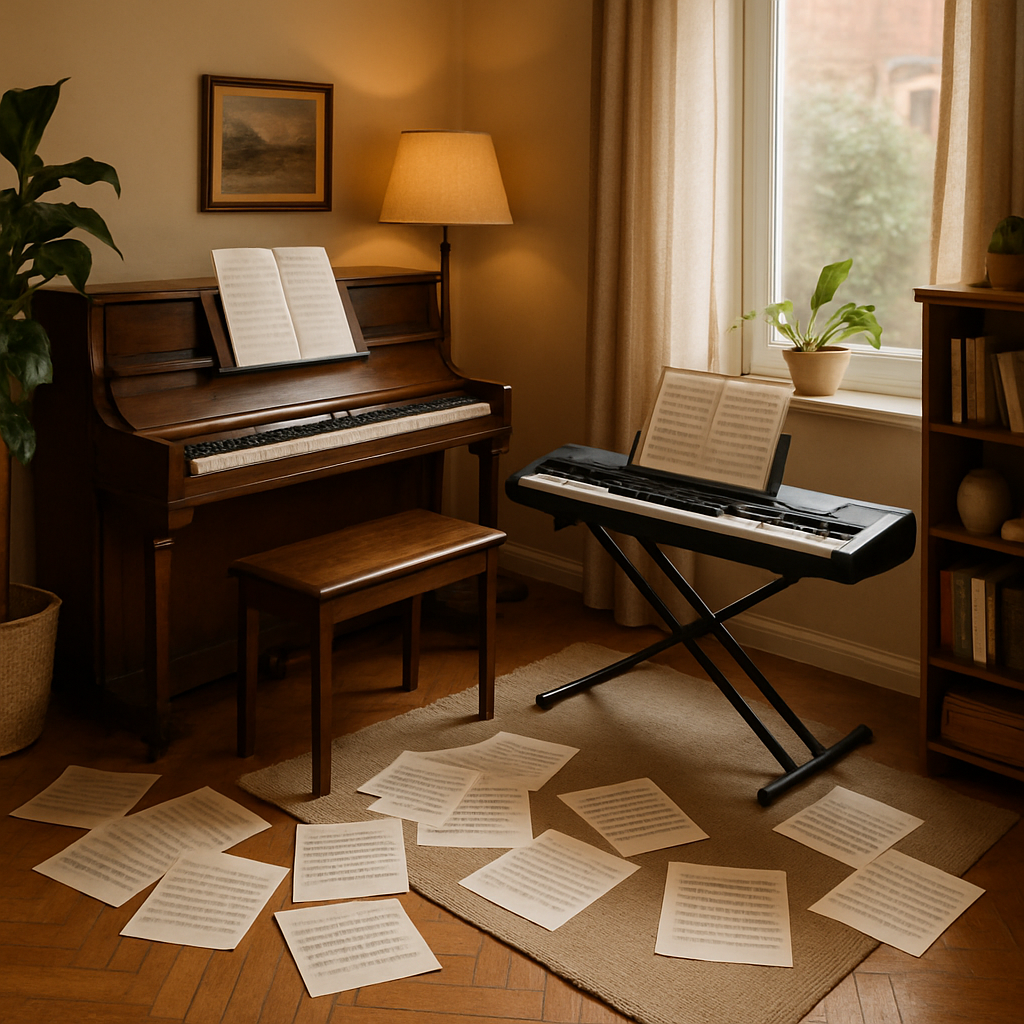
Beginner Piano Tips: Create a Practice Space That Works
Creating the perfect space for beginning piano lessons is like setting the stage for a grand performance. A well-thought-out practice area not only enhances focus but also makes learning to play piano feel more inviting and fun. So, let’s dive into how you can transform your home into a musical haven!
- Choose the Right Location: Find a quiet corner away from the hustle and bustle of daily life. Natural light can boost your mood, so if possible, position your piano near a window.
- Keep It Organized: A clutter-free space helps clear your mind. Use storage solutions for sheet music and accessories to keep everything at arm's reach.
- Add Personal Touches: Decorate with inspiring art or photos of musicians you admire. This can create an atmosphere that motivates you to practice!
✅ Essential Accessories: Bench, Metronome, Sheet Music
No one wants to sit on an uncomfortable chair while learning to play! Investing in some essential accessories will make your practice sessions much more enjoyable:
- Piano Bench: Get an adjustable bench that allows for proper posture. Your back will thank you during those long beginner piano exercises.
- Metronome: This trusty device is like having a mini conductor by your side, helping you keep time as you learn basic rhythms and timing in beginner piano lessons.
- Sheet Music: Stock up on beginner piano sheet music. Start with simple melodies that excite you-after all, who doesn’t want to play their favorite tunes?
A well-equipped practice space not only makes learning easier but also fosters a sense of commitment and excitement about mastering those fundamental piano techniques.
✅Tips for Minimizing Distractions During Practice Time
You’ve set up the perfect space; now let’s keep it distraction-free! Here are some strategies to help maintain focus during those crucial practice sessions:
- Tame Technology: Silence notifications on devices or put them in another room. You don’t need the allure of social media pulling you away from mastering that tricky scale!
- Create a Routine: Consistency is key! Set aside specific times each day for practice so it becomes part of your daily rhythm.
- Involve Family Members: If you're practicing at home with kids or family around, communicate your schedule and ask them to respect that time as “music time.” Who knows? They might even join in on some introductory music books for beginning pianists!
Remember, consistency beats perfection. A simple practice area that encourages you to play every day is far more valuable than the perfect room that rarely gets used.
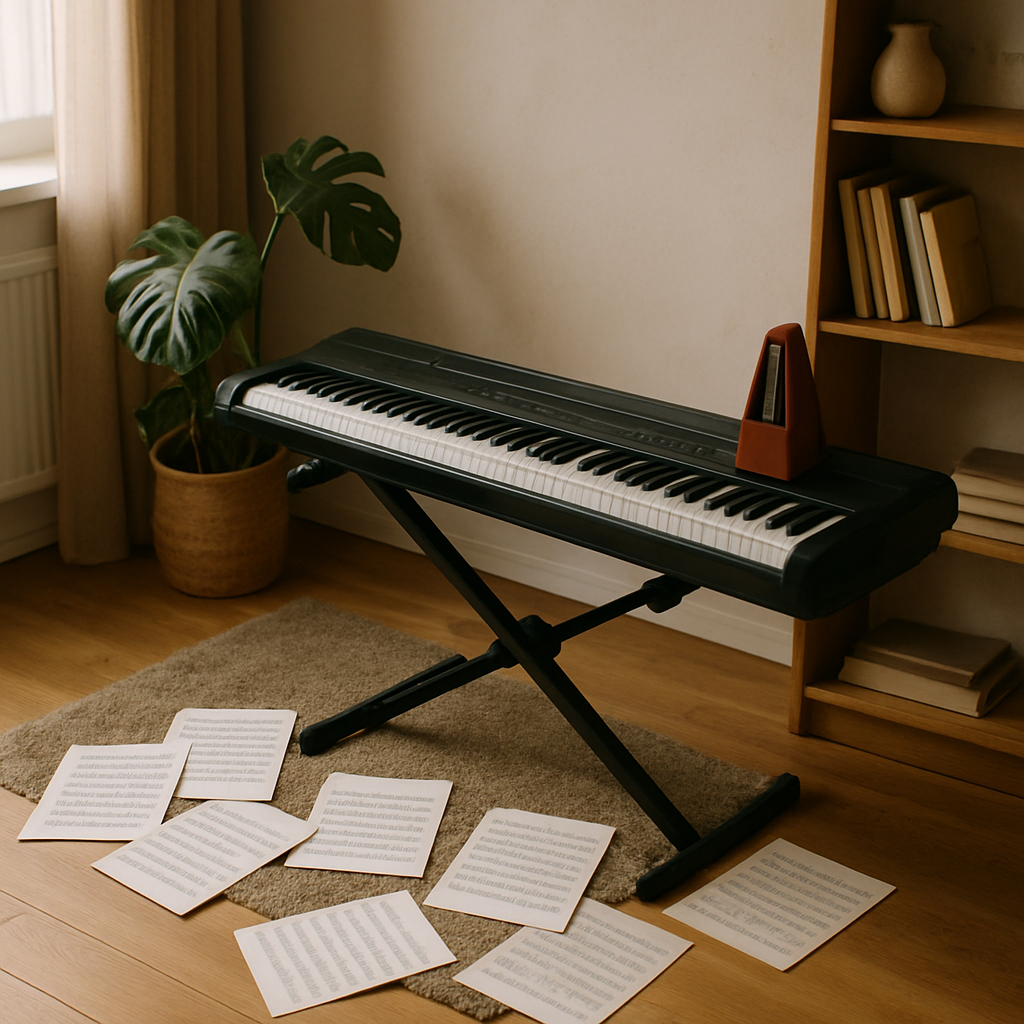
Piano Basics Every Beginner Should Know
Before you begin learning songs, it's helpful to understand a few basic concepts about the piano itself. Don't worry, you don't need to memorize everything at once. Think of these as building blocks that will make every future lesson easier.
As you become familiar with the keyboard, proper posture, and simple finger movements, you'll build confidence that carries into every piece of music you learn.
- White Keys: These are the natural notes (A, B, C, D, E, F, G) that repeat across the keyboard.
- Black Keys: These represent sharps and flats and are organized in groups of two and three. They help create those snazzy melodies!
- Middle C: This is often the starting point for beginners. It’s like the North Star on your musical map-everything revolves around it!
Using beginner music theory for piano, you can teach children to recognize these keys visually and audibly. Try playing simple tunes that emphasize these notes to make learning fun!
✅The Importance of Posture and Hand Positioning
Your child might be eager to dive into beginner piano classes, but before they do, let’s talk about posture! Proper positioning can prevent discomfort and promote better playing habits:
- Sit Up Straight: Encourage them to sit tall with their feet flat on the ground or on a footstool.
- Relaxed Shoulders: Tension can lead to fatigue. Remind them to keep their shoulders relaxed while playing.
- Curved Fingers: Hands should hover above the keys with fingers slightly curved-like they're about to catch raindrops!
Good posture is essential in developing basic piano skills. It sets them up for success right from their first piano lesson!
✅ Simple Exercises to Develop Finger Strength and Agility
No one becomes a virtuoso overnight! Building finger strength is crucial in those early days of learning. Here are some fun exercises that can make practice feel like playtime:
- The Five-Finger Exercise: Start by playing five consecutive notes (C-D-E-F-G) using one finger at a time. This helps develop coordination.
- The Scales Game: Introduce beginner scales for piano. Have them play C major scale up and down while counting out loud-bonus points for adding silly voices!
- Piano Finger Drills: Use simple melodies or even clapping rhythms to encourage finger independence.
The key takeaway? Regular practice with these exercises will build strength and agility in young fingers-essential tools for any budding pianist!
If you’re looking for engaging ways to incorporate these basics into your child's routine, consider exploring online piano lessons for beginners. Many platforms offer interactive tutorials that make learning enjoyable while reinforcing these fundamental concepts.
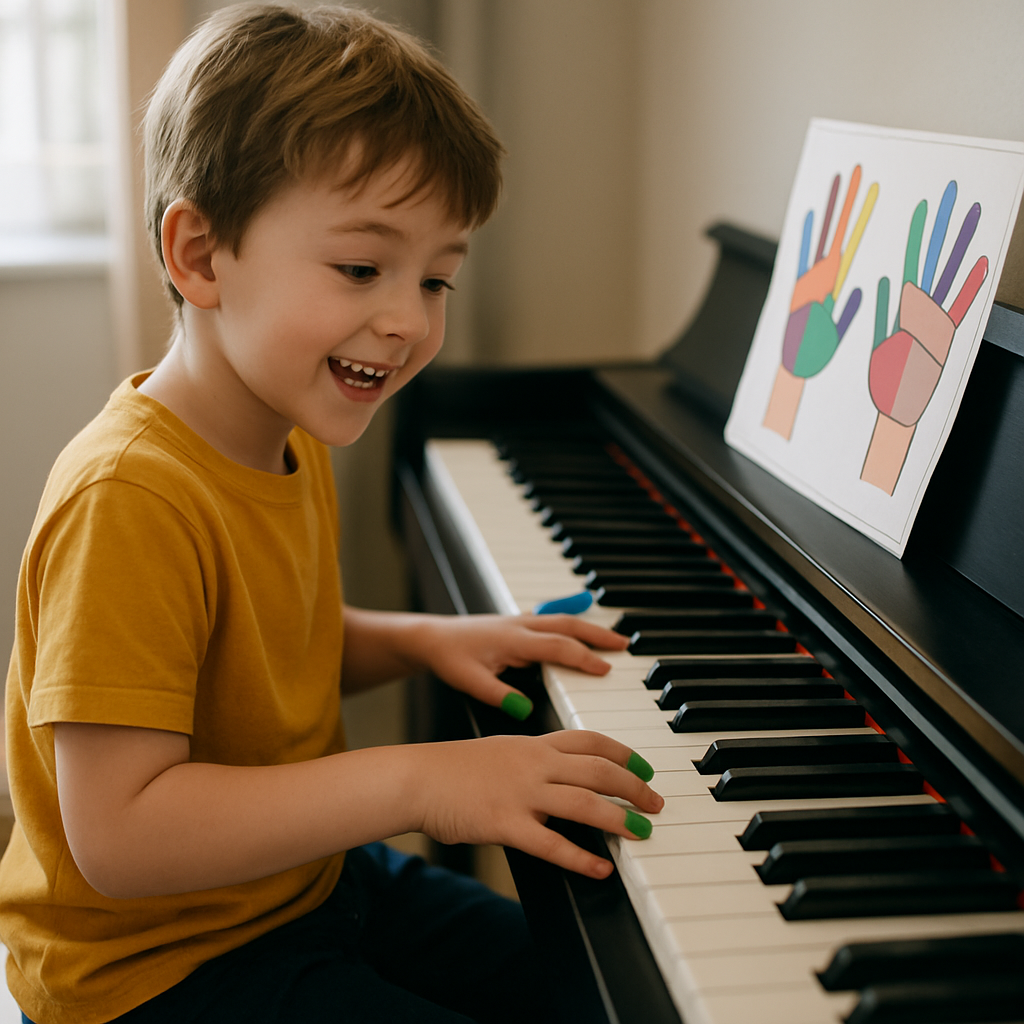
Make Learning Piano Fun and Stay Motivated
One of the biggest reasons beginners stop playing isn't because piano is too difficult. It's because practice starts to feel like work instead of something they look forward to. The good news is that learning piano should be enjoyable. When you're having fun, you'll naturally spend more time at the keyboard, and that's when real progress begins.
✅Turn Practice into Play
Who said learning can't be fun? Incorporating games into practice can motivate kids to hone their skills while having a blast. Here are some ideas:
- Piano Bingo: Create bingo cards with different notes or chords. As they play each note, they can mark it off on their card. First one to get a bingo wins!
- Musical Chairs: Play music while kids walk around the piano. When the music stops, they must find a seat at the piano and play a note or chord.
- Note Hunt: Hide flashcards of musical notes around the room. When they find one, they have to play that note on the piano!
These games not only reinforce basic piano skills, but also encourage teamwork and friendly competition.
✅ Use Technology to Learn Faster
The digital age has blessed us with an array of tools that can make learning the piano more interactive than ever! Here are some tech-savvy ways to enhance beginner piano classes:
- Piano Apps: There are fantastic apps like Simply Piano or Yousician that provide step-by-step tutorials and instant feedback, making them perfect for online piano lessons for beginners.
- YouTube Tutorials: Platforms like YouTube have countless channels dedicated to teaching kids how to play popular songs. Encourage your child to find their favorite tunes!
- Interactive Games: Websites like MusicTheory.net offer engaging games that teach music theory basics in a fun way.
The beauty of these resources is that they cater to various learning styles, helping children grasp beginner music theory for piano without feeling overwhelmed.
✅ Start with Songs You Already Love
If you want your child to learn how to play the piano faster than you can say "Chopsticks," introduce them to songs they already know! Playing familiar tunes is not just motivating; it also makes practicing feel less like work and more like play.
- Select Easy Classical Pieces: Start with simple classics like Beethoven's "Ode to Joy" or Bach's "Minuet in G." These pieces are not only easy but also timeless!
- Your Child's Favorite Pop Songs: Look up simplified versions of popular songs from their favorite movies or artists. Playing something they love will keep them engaged!
- Create Custom Mash-Ups: Encourage creativity by mixing different melodies together. Let them experiment with combining two simple songs into one unique creation!
The key takeaway? Using familiar songs in practice not only boosts motivation but also helps children connect emotionally with their learning experience.
No matter which techniques you choose, remember that the goal is to make learning enjoyable! With these fun strategies, your child will be well on their way in their first steps in playing piano. So grab those keys and let the musical magic unfold!
Ready to Take the Next Step?
Reading about piano is a great place to start. But the real progress begins when you sit down at the keyboard and play. If you're looking for a step-by-step system that helps beginners build confidence from their very first lesson, explore the Piano Wizard Method. Designed for students ages 3 to 99, our unique approach helps you experience the joy of making music before tackling more advanced concepts.
Discover the Piano Wizard Method →
A Step-by-Step Piano Learning Plan
One of the biggest mistakes beginners make is trying to learn everything at once. They jump from YouTube videos to random songs, then back to scales and music theory without a clear direction.
A better approach is to follow a step-by-step learning plan. Each new skill builds on the one before it, giving you small successes that keep you motivated and steadily moving forward.
✅ How to Play Piano for Beginners
If you're learning how to play piano for beginners, focus on mastering one concept at a time. Start with posture, hand position, and keyboard familiarity before moving to simple songs, basic chords, and reading music. Consistent daily practice will always produce better results than trying to learn everything in a weekend.
✅ Simplifying Lesson Plans for Young Learners
- Short Sessions: Keep lessons between 20-30 minutes. This prevents burnout and allows for focused learning.
- Thematic Lessons: Organize lessons around fun themes-like animals or favorite cartoons-to make concepts relatable.
- Visual Aids: Use colorful charts or apps that illustrate notes and rhythms, making learning visually appealing.
By breaking down complex topics into bite-sized pieces, children can gradually build their understanding of beginner music theory for piano. Think of it as stacking blocks; each lesson is another block in their musical tower!
✅Build Confidence Before Complexity
Many traditional methods ask beginners to spend weeks memorizing notes before they ever experience the joy of making music. While learning to read music is important, early success is just as important. That's one reason the Piano Wizard Method encourages students to begin making music from the very first lessons. Building confidence early helps students stay motivated and makes learning feel rewarding instead of overwhelming.
✅ The Importance of Consistency in Practice Routines
Consistency is the secret sauce in mastering any skill, especially in beginning piano lessons. Here are some tips to create a consistent practice routine:
- Set a Schedule: Designate specific times each week for practice. Kids thrive on routine; it’s like their own personal musical clock!
- Create Goals: Set small, achievable goals for each session. Whether it's mastering a simple melody or practicing finger exercises, these milestones keep motivation high.
- Use a Practice Chart: Create a fun chart where kids can track their progress. Visualizing achievements boosts confidence and encourages them to keep going!
A consistent practice routine not only reinforces fundamental piano techniques, but also instills discipline-a skill that goes beyond music!
✅ How to Track Progress and Celebrate Achievements
- Keepsake Journals: Encourage your child to maintain a journal where they jot down what they learned after each lesson. This becomes a cherished keepsake over time!
- Regular Recitals: Host mini-recitals at home where they showcase what they've learned. It’s like throwing a mini concert just for the family!
- Acknowledge Milestones: Celebrate achievements-big or small! Whether it’s finishing a song or mastering beginner scales for piano, recognition boosts morale.
The key takeaway? Tracking progress not only motivates children but also helps them see how far they've come, making the journey through introductory piano lessons even more rewarding!
If you're embarking on this musical adventure with your child, remember that every note played is one step closer to becoming an accomplished pianist. With the right structure in place, those first steps in playing piano will be filled with joy and excitement!
Nurturing a Love for Music Beyond the Piano Lessons
Congratulations on taking the plunge into beginning piano lessons! But wait, the journey doesn’t stop at learning how to play “Mary Had a Little Lamb.” To truly nurture a love for music, it’s essential to foster an environment that encourages exploration and creativity beyond just the notes on a page. Think of it as giving your budding pianist wings to fly!
✅ Encouraging Exploration of Different Genres
One of the best ways to keep the spark alive is by introducing your child to various musical genres. Just like how trying different ice cream flavors can lead to finding a new favorite, exploring different styles can open up new worlds of musical enjoyment!
- Classical: Start with some easy classical pieces for beginners on the piano. Think Beethoven and Bach-timeless melodies that are both beautiful and educational.
- Pop: Kids love playing songs they hear on the radio or in movies. Look for simplified versions of their favorite hits; this keeps practice fun and relatable!
- Jazz: Introduce them to jazz basics with simple improvisation exercises. This can help develop their ear and creativity.
Diving into different genres will not only enhance their basic piano skills, but also help them discover what truly resonates with them.
✅ Integrating Music into Daily Life
If you want music to be more than just a hobby, it should weave seamlessly into everyday life. Here are some fun ideas:
- Family Jam Sessions: Set aside time each week for family music nights where everyone plays an instrument or sings together. It’s like a musical potluck!
- Singing Along: Encourage singing along while playing. This not only makes practice more enjoyable but also helps with rhythm and timing in beginner piano lessons.
- Creating Playlists: Help your child curate playlists of their favorite songs. Listening actively can inspire them and make them want to learn those tunes!
The goal here is to create an atmosphere where music feels like an integral part of life, not just something done during practice hours.
✅ The Power of Group Learning and Social Interaction
No one likes being alone in their musical journey! Engaging with peers can significantly enhance motivation and enjoyment. Consider these options:
- Piano Groups: Join local or online groups where kids can play together, share experiences, and even perform! It’s like having a musical support group.
- Recitals: Encourage participation in recitals or community events where they can showcase what they've learned. The thrill of performing is unbeatable!
- Camps or Workshops: Look for summer camps or workshops focused on music. These often provide immersive experiences that can reignite passion!
A strong social component not only nurtures skills but also builds friendships based around shared interests-what's better than that?
✅ The Role of Technology in Enhancing Musical Skills
The digital age has opened up endless possibilities for learning music! Embrace technology as part of your child’s beginner piano classes. Here are some ideas:
- Piano Learning Apps: Apps like Simply Piano or Flowkey offer interactive lessons that feel more like games than traditional learning.
- YouTube Tutorials: Utilize platforms like YouTube where countless channels provide tutorials for popular songs-perfect for keeping kids engaged.
- MIDI Controllers & Software: If they’re feeling adventurous, introduce them to software that allows them to compose their own music digitally!
The right tech tools can turn learning into an engaging adventure, making online piano lessons for beginners even more appealing!
Nurturing a love for music goes beyond just hitting the right keys; it's about creating an enriching environment filled with exploration, creativity, and joy! So as you embark on this fantastic journey of beginning piano lessons, remember: every note played is another step toward a lifelong passion for music.
✅Don't Compare Yourself to Other Pianists
One of the fastest ways to lose motivation is to compare yourself to someone who's been playing for ten or twenty years.
Instead, compare yourself to the person you were last month.
Can you play one more song?
Can you keep a steadier rhythm?
Can you recognize more notes on the keyboard?
That's real progress, and those small victories eventually become big ones.
Conclusion: The Journey Ahead in Music Education
As we wrap up this exhilarating guide on beginning piano lessons, let's take a moment to recap some key points that will set your child on a path to musical success!
- Recap of Key Points: We've explored the importance of music education, the benefits of learning piano early, and how to create an engaging learning environment. Remember, every step counts in building basic piano skills.
- Encouragement for Parents: Your support is crucial! Encourage your child by celebrating their progress, no matter how small. Help them explore different genres and incorporate music into daily life. After all, you're their biggest cheerleader in this musical journey!
The world of music is vast and full of opportunities for creativity and expression. As your child embarks on their adventure with beginner piano classes, remind them that patience and practice are key. The initial stages of learning piano can be challenging, but with consistent effort and a sprinkle of fun, they'll soon be playing easy classical pieces for beginners on the piano and more!
So grab those keys, strike up some melodies, and let the music flow! The journey ahead is filled with exciting discoveries waiting to be made.