Introduction
Now, you might be wondering, why is early childhood music education so important? Well, let’s just say it’s not just about hitting the right notes (though that’s pretty cool too!). Engaging in toddler music classes and participating in preschool music activities can have profound effects on their overall development.
Research shows that music helps develop cognitive skills and enhances emotional intelligence. Plus, who wouldn’t want their child to groove to nursery rhymes while learning about rhythm and melody? It’s like giving them a fun toolkit for life! From the joyous sounds of preschool singing lessons to the hands-on experience with musical instruments for preschoolers, these early years are crucial.
Did you know? Engaging in music at an early age boosts brain development by enhancing memory, attention span, and even social skills. So yes, those adorable toddler singing lessons are doing more than just making sweet sounds!
In this blog post, we’ll explore everything from selecting the perfect preschool music curriculum to diving into interactive music sessions for preschoolers. Whether you’re looking for group music lessons for kids or fun activities to do at home, we’ve got you covered. So grab your favorite instrument, be it a ukulele or a maraca and let’s get ready to make some noise!
The Importance of Early Childhood Music Education
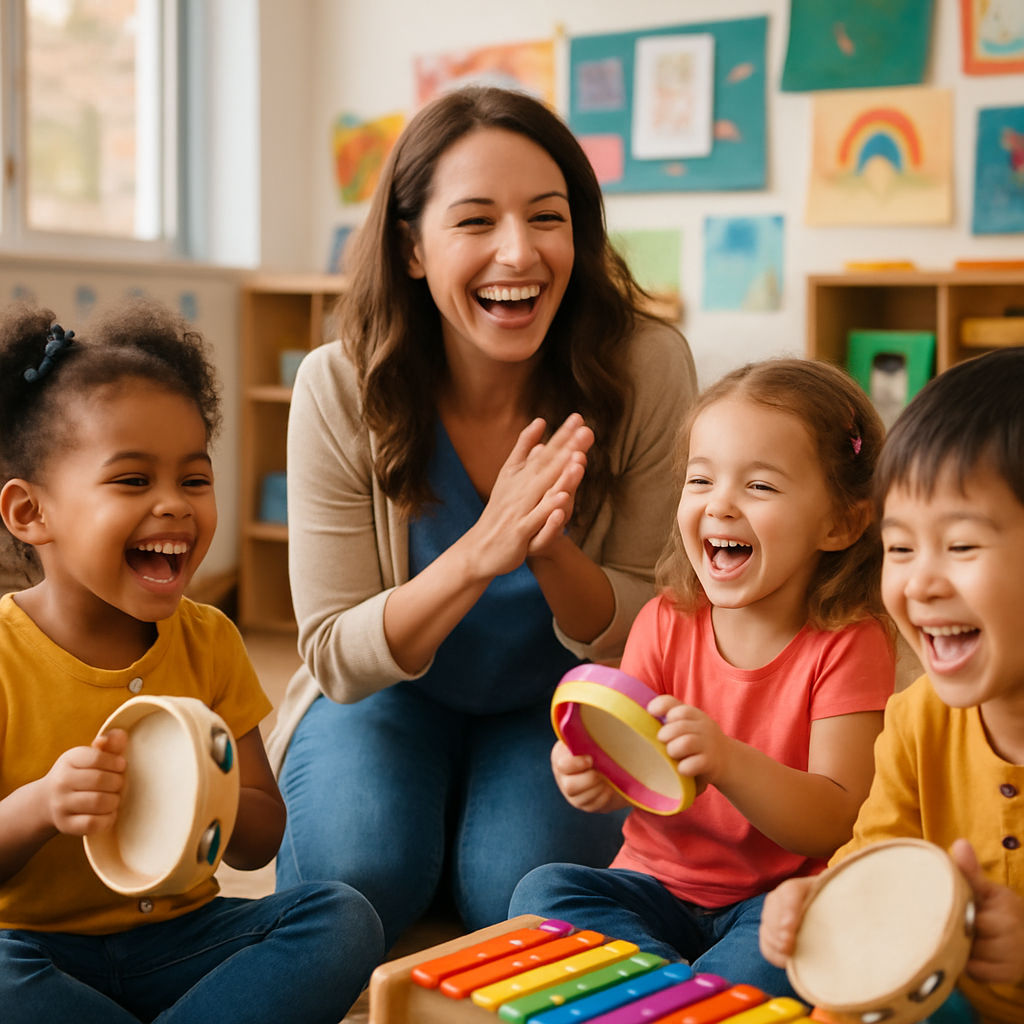
When it comes to nurturing young minds, early childhood music education is like the Swiss Army knife of developmental tools. It's versatile, engaging, and packed with benefits! Enrolling your little one in preschool music lessons isn't just about learning to play an instrument; it's about laying a strong foundation for lifelong skills.
Did you know that children who participate in music programs often show improved language skills and better memory retention? That's right! A little musical magic can go a long way.
Benefits of Music for Preschoolers
Music education is more than just fun and games. It helps children develop:
- Cognitive Skills: Engaging with music enhances memory, attention span, and problem-solving abilities. Think of it as a workout for their brains!
- Social Skills: Group music lessons encourage teamwork and communication. It's like a mini-society where kids learn to share the spotlight (and the tambourine).
- Emotional Expression: Music provides an outlet for feelings. Whether they're happy or sad, those emotions can be expressed through song or rhythm.
Impact on Cognitive Development
The benefits don't stop at socialization. Research suggests that children who engage in early childhood music classes often outperform their peers academically. Why? Because music helps develop essential skills such as:
- Spatial-temporal skills: These are critical for math and science understanding.
- Language development: Singing nursery rhymes aids vocabulary acquisition and phonemic awareness.
- Listening skills: Learning to play an instrument teaches kids to listen carefully and respond appropriately.
Social and Emotional Benefits
The emotional impact of music education is profound. Through activities like preschool choir classes or toddler singing lessons, children learn to connect with others on a deeper level. Here’s how:
- Building Confidence: Performing in front of peers boosts self-esteem who doesn't feel like a rockstar after nailing their part?
- Coping Mechanisms: Music can serve as a therapeutic tool, helping children process emotions during difficult times.
- Cultural Awareness: Exposure to diverse musical styles fosters appreciation for different cultures from an early age.
The journey into the world of sound doesn’t just enrich your child's life; it opens doors to new experiences that will last a lifetime. So why not start today? Consider enrolling them in some fun toddler music classes or interactive sessions designed specifically for preschoolers!
Choosing the Right Preschool Music Lessons
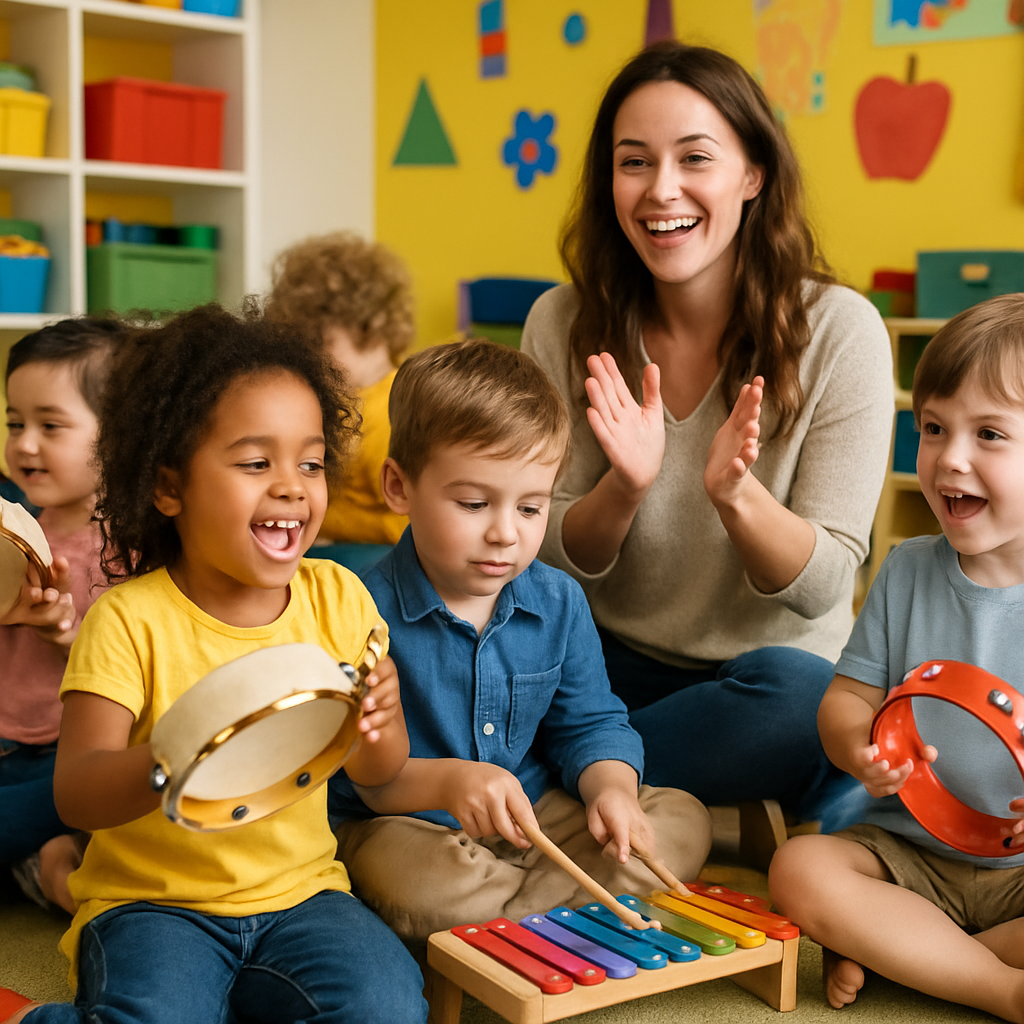
When it comes to preschool music lessons, the options can feel as overwhelming as a toddler in a candy store. But fear not! This guide will help you navigate the sweet selection of choices available, ensuring your little one embarks on a joyful musical journey.
Types of Lessons Available
First things first, let's break down the various types of lessons you might encounter:
- Toddler music classes: Perfect for ages 1-3, these classes often focus on movement and basic rhythm.
- Preschool singing lessons: A delightful way to introduce your child to melody and song.
- Group music lessons for kids: These foster social skills while learning together in a fun environment.
- Interactive music sessions for preschoolers: Think games, dancing, and lots of giggles!
- Beginner music classes for kids: These can include piano, guitar, or even violin tailored for tiny hands.
Factors to Consider
Selecting the right class is not just about picking the cutest name. Here are some key factors to consider:
- Age: Make sure the class is suitable for your child's age group. Classes designed for toddlers may be too simplistic for preschoolers.
- Interest: Does your child love banging on pots and pans? Choose a program that encourages their passion!
- Learning style: Some children thrive in structured environments while others prefer free-form exploration. Find a class that aligns with how your child learns best.
Finding Qualified Instructors
The instructor can make or break the experience. Look for teachers with experience in early childhood music education who know how to engage young learners. They should be able to create an atmosphere where children feel safe to express themselves musically. Here are some tips:
- Check credentials: Look for instructors with degrees or certifications in music education or early childhood development.
- Read reviews: Previous parent testimonials can provide great insight into what you can expect from their teaching style.
- Observe a class:If possible, attend an observation session before enrolling your child. This gives you a chance to see how they interact with students.
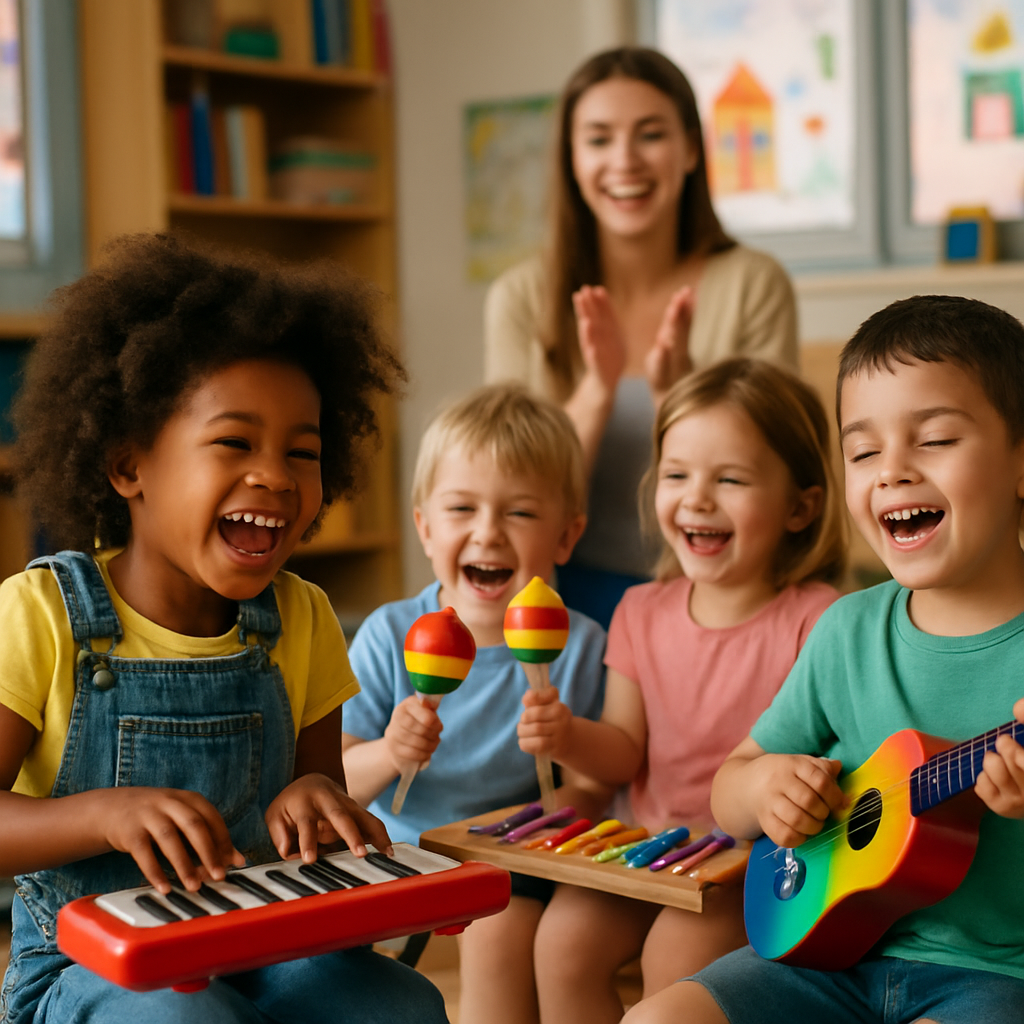
Engaging Preschool Music Activities at Home
Who says you need a fancy music studio to kick-start your child's musical journey? With a sprinkle of creativity and a dash of enthusiasm, you can transform your living room into a vibrant music hub. Here are some engaging preschool music activities that will not only entertain but also enrich your little one's early childhood music education.
1. Creative Movement and Music for Preschoolers
Get those wiggles out! Turn on some lively tunes and let your child express themselves through dance. This isn't just fun it's a fantastic way to develop their rhythm and coordination. You could even create a mini dance party where everyone gets to show off their best moves. Think of it as an impromptu “So You Think You Can Dance: Toddler Edition.”
2. Sensory Musical Activities for Young Children
Introduce your little one to the world of sound with sensory musical activities. Fill containers with rice, beans, or bells to create homemade shakers. Encourage them to explore the different sounds these instruments make. This hands-on experience fosters not only auditory skills but also fine motor skills, talk about multitasking!
3. Nurturing Rhythm and Beats Through Play
Why not incorporate rhythm into everyday play? Use pots and wooden spoons as drums (bonus: it doubles as kitchen cleanup practice!). Clap along to nursery rhymes or create simple beat patterns for your child to mimic. This is an excellent way to build foundational music skills while having fun together.
Tip: Try using children's music programs that emphasize interactive sessions, like toddler rhythm and beats classes, which can be a blast!
4. Musical Storytelling Sessions
Create magical moments by combining storytelling with music! Choose a favorite book and add sound effects or musical themes that enhance the story. For example, if you're reading about animals, use animal sounds or play corresponding tunes that evoke the setting think jungle beats for “The Lion King.” This approach not only captivates their imagination but also reinforces listening skills.
5. Group Music Lessons for Kids at Home
If you have friends with kids, why not organize group music lessons right in your living room? Children thrive in social settings, so why not combine fun music activities for toddlers with playdates? You can sing songs together or even have mini talent shows where each child gets to showcase their newfound skills.
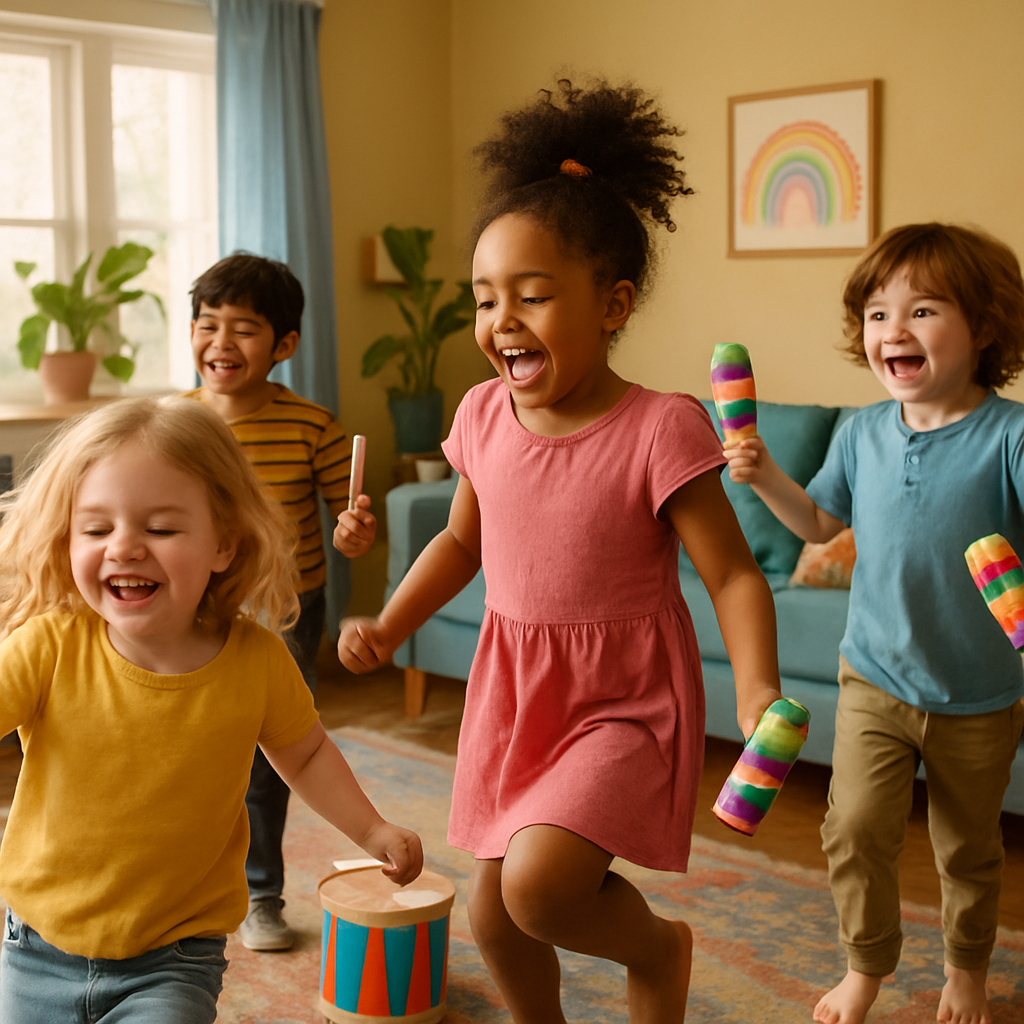
Early childhood musical development is crucial for fostering creativity and cognitive growth in young learners.
The key takeaway here is that engaging preschool music activities at home don’t have to be complicated or expensive; they just need your love and creativity! So grab those pots, turn up the tunes, and let the musical adventures begin!
Exploring Instruments for Preschoolers
When it comes to preschool music lessons, introducing your little ones to the world of musical instruments can be one of the most delightful experiences! Think of it as a treasure hunt where each instrument is a shiny gem waiting to be discovered. Not only does this exploration spark joy, but it also lays the groundwork for foundational music skills that will last a lifetime.
- Child-friendly musical instruments options: Start with instruments that are designed specifically for tiny hands and curious minds. Options like xylophones, maracas, and hand drums are perfect for little musicians. They’re not just cute; they also help develop coordination and rhythm!
- Introduction to beginner music classes for kids: Many children’s music programs offer classes that focus on hands-on experiences with various instruments. From beginner violin classes for kids aged 3-5 years old to introductory guitar lessons, these classes are designed to be fun and engaging while teaching essential skills.
- Hands-on musical experiences with instruments: Encourage your preschoolers to explore different sounds by letting them play around with their chosen instruments at home or in structured environments like toddler music classes. This kind of interactive playtime not only enhances their auditory skills but also fosters creativity.
Did you know? Engaging young children in musical activities can significantly boost their cognitive development and social skills. So, let those tiny fingers dance on the keys or bang on the drums!
But beware! One common misconception is that all instruments are suitable for every age group. While it might be tempting to hand over a full-sized guitar or piano, remember that size matters! Choose age-appropriate instruments that encourage exploration without frustration.
If you’re looking for fun music activities for toddlers, consider creating a mini orchestra at home! Gather a few child-friendly instruments and have jam sessions where everyone plays along. Not only will this make learning fun, but it’ll also create lasting memories!
The journey into music doesn’t have to be serious all the time infuse some humor into your sessions! Pretend the xylophone is an alien spaceship or the drum is a monster's heartbeat. The more imaginative you get, the more engaged your preschooler will be.
In summary, exploring musical instruments is not just about hitting notes; it's about fostering early childhood musical development through hands-on experiences and creative play. So grab those maracas and let’s make some noise!
The Role of Parent-Child Music Classes
Let’s be honest music is like the universal language of joy, and what better way to dive into this melodious world than through parent-child music classes? These sessions are not just about learning notes; they’re about creating lasting memories while jamming out together!
Imagine a room filled with laughter, clapping, and the delightful sounds of tiny instruments. That’s the magic of group music lessons for kids. Here’s why these classes are a game-changer:
- Bonding through Beats: Nothing strengthens a relationship quite like making music together. In these interactive sessions, parents and children collaborate to create rhythms, fostering a deeper connection.
- Shared Learning Experience: Parents get to witness their little ones discover their musical talents firsthand. It’s like being part of their very own musical adventure! Plus, you might just find yourself tapping your feet to those toddler rhythms and beats.
- Toddler Singing Lessons: These aren’t just any singing lessons; they’re fun-filled gatherings where everyone gets to sing nursery rhymes and create silly songs. Who knew that belting out “Twinkle Twinkle Little Star” could be so much fun?
But wait! There’s more. Engaging in these classes also helps parents learn how to support their child's musical journey at home. Think of it as a crash course in early childhood music education without the textbooks!
Key Takeaway: Parent-child music classes provide an invaluable opportunity for bonding while laying the foundation for early childhood musical development. They offer a unique blend of fun and learning that benefits both children and parents.
If you’re worried about how your little one will fare in a group setting, fear not! These classes are designed to be inclusive and supportive, making them perfect for all kids whether they’re shy or outgoing.
So why not take the plunge? Enroll in a parent-child music class today, and watch as your child blossoms into a confident little musician while you enjoy every beat along the way!
Interactive Music Sessions and Fun Activities for Toddlers
Welcome to the whimsical world of interactive music sessions! Think of these as the ultimate playdates, where rhythm and melody take center stage. Not only do these activities spark joy, but they also lay a solid foundation for early childhood music education.
Preschool Rhythm Activities That Promote Learning Through Play
Imagine your toddler bouncing to the beat of their drum or perhaps shaking a maraca like a mini rock star! Preschool rhythm activities are designed to be fun and engaging, helping little ones develop foundational music skills while they play. Here are some ideas:
- Clap It Out: Create a simple rhythm pattern and have your child imitate it. It's like a musical game of Simon Says!
- Musical Freeze Dance: Play some lively tunes and let them dance until the music stops. When it does, everyone freezes like statues, it's hilarious!
- Body Percussion: Encourage them to make sounds using their bodies, clapping hands, stomping feet, or patting their legs. This builds awareness of rhythm without any instruments needed!
Nursery Rhymes and Songs for Toddlers as a Foundation in Music Education
Nursery rhymes are not just for bedtime stories; they're also the building blocks of musical literacy! Singing familiar tunes helps toddlers grasp rhythm and melody in a natural way. Try incorporating these classic songs into your daily routine:
- The Wheels on the Bus: Perfect for exploring repetitive verses and movements.
- If You're Happy and You Know It: A fun way to get kids moving while learning about dynamics.
- Baa Baa Black Sheep: Great for introducing pitch variations, let's see who can sing higher!
Engaging Musical Games for Kids to Foster Creativity and Joy in Learning Music
If you think learning music is all about scales and theory, think again! Engaging musical games can turn education into an adventure. Here are some favorites:
- Musical Chairs with a Twist: Instead of chairs, use hula hoops or cushions. When the music stops, everyone finds their spot, no elimination here!
- Silly Sound Stories: Create stories together where each character has its sound or instrument. Let their imaginations run wild!
- Puppet Show Jam Session: Use puppets to tell stories through song. Kids can sing along or create sound effects with instruments.