
Introduction to Music Therapy and ASD
Definition of Music Therapy
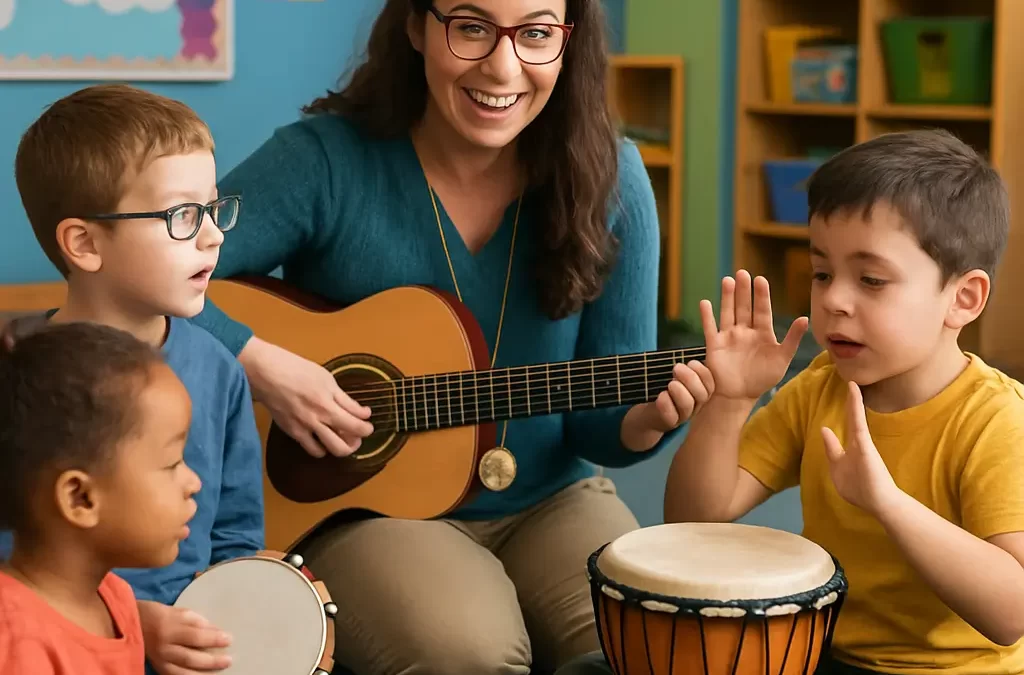
Music therapy is a clinical and evidence-based practice that harnesses the power of music to promote healing and enhance quality of life. It involves using music interventions tailored to the individual needs of clients, particularly those with autism spectrum disorder (ASD). Think of it as a musical toolbox where therapists use rhythm, melody, and harmony to unlock communication, social skills, and emotional regulation.
Overview of Autism Spectrum Disorder (ASD)
Autism spectrum disorder is a complex neurodevelopmental condition that affects how individuals communicate, interact socially, and experience the world around them. The spectrum nature means that no two individuals are alike; some may excel in certain areas while facing challenges in others. This variability can make finding effective interventions feel like searching for a needle in a haystack.
According to the CDC, approximately 1 in 44 children is diagnosed with ASD in the United States. This highlights the urgency for effective support strategies.
One common misconception is that children with ASD lack interest in social interaction-however, many simply struggle with communication methods. That's where music therapy and ASD come into play! Music serves as a universal language that can bridge gaps in communication.
Importance of Early Intervention
The earlier we introduce music therapy programs for ASD, the better the outcomes tend to be. Research shows that early intervention can significantly improve social skills development with music therapy and enhance emotional regulation in autism with music. Imagine planting a seed-nurturing it early leads to a flourishing plant later on!
- Cognitive Development: Engaging with music can boost cognitive functioning by enhancing auditory processing skills.
- Sensory Integration: Many therapeutic music activities for ASD help children process sensory information more effectively.
- Behavior Improvement: Regular musical engagement can lead to improving behavior in ASD through structured routines.
- Nonverbal Communication: Children often show remarkable progress in nonverbal communication improvement through music interventions.
- Parent-Child Interaction: Interactive music sessions foster stronger bonds between parents and their autistic children.
The effects of music therapy on autism are profound. For instance, rhythmic activities for autistic children not only promote coordination but also offer an engaging way to learn new skills while having fun!
The American Music Therapy Association states that "music therapy can help individuals with autism improve their ability to engage in social interactions and communicate more effectively." - American Music Therapy Association
If you're curious about how personalized music therapy for ASD might look like for your child, think about interactive group sessions where kids not only learn but also collaborate musically. These environments create opportunities for socialization while making learning enjoyable!
The takeaway? Embracing music therapy techniques for autism early on can transform lives by promoting essential skills that empower children on the autism spectrum. Ready to explore how you can incorporate these techniques into your child's routine? Stay tuned as we dive deeper into specific strategies and success stories!

The Benefits of Music Therapy for Children with ASD
Improvement in Communication Skills
One of the most exciting music therapy benefits for autism is its ability to enhance communication skills. For many children with ASD, traditional verbal communication can feel like trying to solve a Rubik's Cube blindfolded. However, music offers a different path! Through engaging musical activities, children can express their thoughts and feelings in ways that words sometimes fail to capture.
For instance, using songs with repetitive lyrics can help children practice verbalizations while also improving their auditory processing and memory skills. This method not only encourages speech but also builds confidence in their ability to communicate.
Enhancement of Social Interactions
Music isn't just a solo act; it's often best enjoyed in groups! Group music therapy sessions for autistic individuals create a safe space for kids to interact and collaborate. Think of it as a jam session where everyone gets to shine!
- Collaborative Play: Activities like ensemble playing encourage teamwork and shared goals.
- Turn-Taking: Playing instruments or singing together teaches valuable social skills such as patience and sharing.
- Social Cues: Engaging in musical games helps children learn nonverbal cues like eye contact and body language.
The role of music in autism treatment plans is pivotal; it transforms solitary experiences into shared ones, fostering friendships that might otherwise be difficult to establish.
Emotional Expression and Regulation
Imagine trying to express your feelings without words-frustrating, right? Music therapy provides an outlet for emotional expression that many children with ASD crave. Through various therapeutic music activities for ASD, kids learn to identify and articulate their emotions more effectively.
- Songs as Emotional Tools: Writing or selecting songs that resonate with their feelings allows children to process emotions in a constructive way.
- Rhythmic Activities: Engaging in rhythmic activities can help regulate emotions by providing a calming effect during overwhelming situations.
- Sensory Integration: Music helps with sensory integration by creating a structured environment where children can feel safe exploring their emotions through sound.
A study from the National Institute of Health reveals that music therapy is an evidence-based practice that can help improve the quality of life for individuals on the autism spectrum. Source
The effects of music therapy on autism extend beyond mere fun; they provide essential tools for emotional regulation. Children learn how to cope with stressors through musical engagement, turning potentially chaotic moments into opportunities for growth!
Cognitive Development and Learning
Cognitive development is another key area where ASD and music intervention shine! Research shows that engaging with music stimulates various areas of the brain responsible for learning and memory. It’s like giving your brain a workout while having fun!
- Auditory Processing: Regular exposure to musical patterns enhances auditory processing skills essential for language development.
- Diverse Learning Styles: Music caters to different learning styles-visual learners benefit from watching others play instruments, while kinesthetic learners thrive through movement-based activities.
- Mental Flexibility: Learning new songs or rhythms encourages mental flexibility, helping children adapt better to changes or unexpected situations.
The beauty of personalized music therapy for ASD lies in its adaptability; therapists can tailor sessions based on each child's unique needs and interests. This customization makes learning enjoyable and effective!
The takeaway? The benefits of music therapy and ASD are profound-improving communication skills, enhancing social interactions, regulating emotions, and boosting cognitive development are just the tip of the iceberg! If you're interested in exploring how these therapeutic techniques can enrich your child's life, stay tuned as we delve deeper into practical strategies you can implement at home!
How Music Therapy Sessions are Conducted
Overview of Typical Session Structure
When it comes to music therapy and ASD, each session is like a mini concert tailored just for the child! Typically, sessions last between 30 to 60 minutes and follow a structured yet flexible format designed to meet individual needs. Here’s a sneak peek at what you might expect:
- Warm-Up: The session kicks off with warm-up activities that help children get comfortable. Think of it as tuning an instrument before the big performance!
- Main Activities: This is where the magic happens! Therapists use various therapeutic music activities for ASD, such as playing instruments, singing, or even composing songs together.
- Cool Down: Just like any good concert, ending on a high note is essential. Sessions often conclude with calming activities that help children reflect on what they learned.
This structure not only keeps kids engaged but also allows therapists to adapt activities based on each child's mood and responsiveness. Flexibility is key here-like jazz musicians improvising during a jam session!
Types of Activities Used in Sessions
The beauty of music therapy techniques for autism lies in their diversity. Here are some popular activities you might find in a session:
- Singing Games: These promote vocalization and social interaction while having fun. Think musical tag-catchy tunes included!
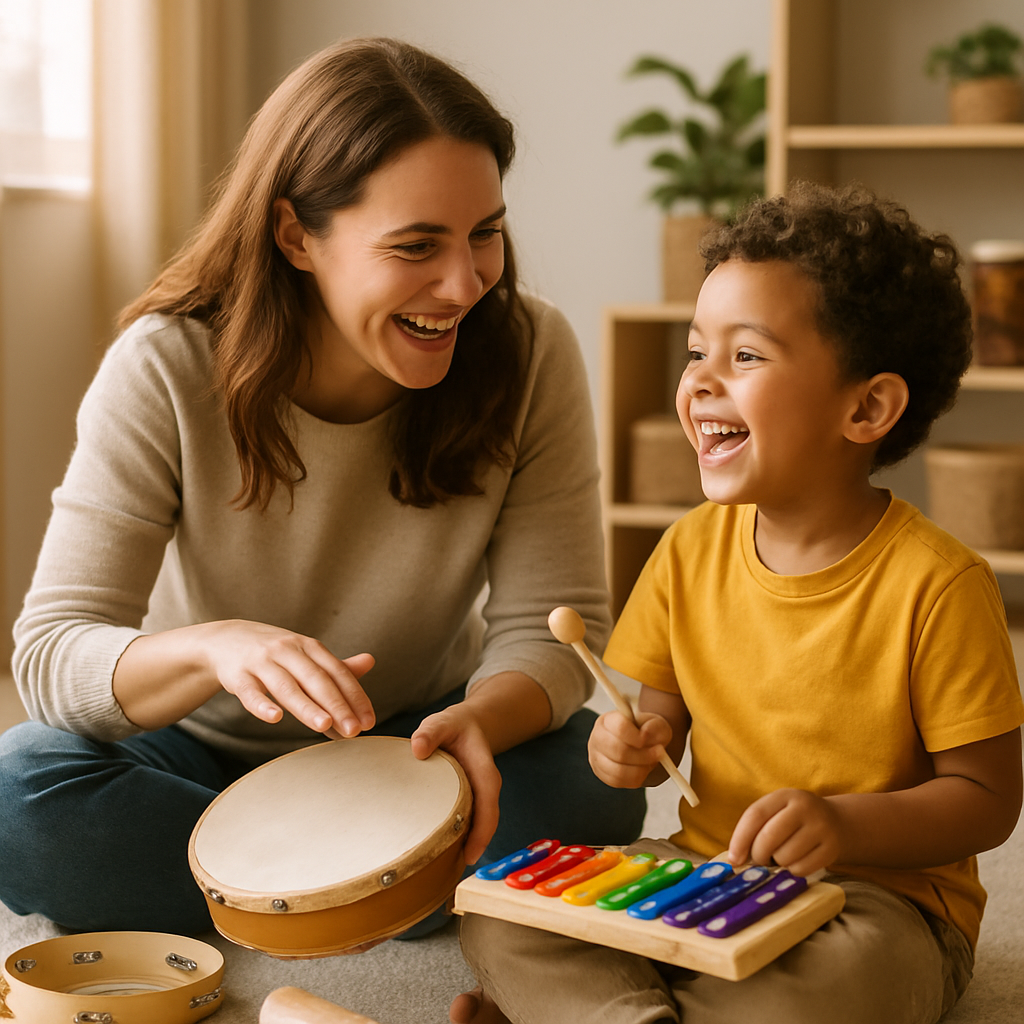
- Instrument Play: Using drums or xylophones helps with motor skills and coordination, making it feel like a rock band rehearsal.
- Songwriting: Children can express their feelings through lyrics, turning personal experiences into creative masterpieces!
- Movement Activities: Dancing or moving to music enhances sensory integration and physical awareness-imagine a mini dance-off!
- Auditory Discrimination Exercises: These involve listening games that improve auditory processing skills-think of it as musical hide-and-seek!
The variety keeps things fresh and exciting, ensuring that children remain engaged throughout the entire session. Plus, these activities can be easily adapted for different skill levels or preferences.
The Role of a Certified Music Therapist
A certified music therapist is like the conductor of this vibrant orchestra! Their expertise is crucial in creating an environment where children feel safe to explore and express themselves through music. Here’s how they make it all happen:
- Assessment: Therapists begin by assessing each child’s unique needs, strengths, and challenges. This helps tailor sessions specifically to them-no cookie-cutter approaches here!
- Curation of Activities: Based on assessments, they select appropriate music therapy programs for ASD, ensuring that every activity aligns with therapeutic goals.
- Sustained Engagement: Therapists know how to keep kids interested by mixing familiar songs with new ones-like adding sprinkles to your favorite ice cream!
- Cognitive and Emotional Support: They provide guidance not just through music but also by fostering emotional regulation in autism with music techniques.
- Progress Monitoring: Regular evaluations help track improvements in areas such as social skills development with music therapy or communication abilities over time.
The role of music therapists is vital; they are not just musicians but skilled professionals trained in psychology and therapeutic techniques specifically for individuals with autism spectrum disorder.
The takeaway? Understanding how ASD and music intervention work together can empower parents to seek out these invaluable resources for their children. If you're intrigued by how these sessions unfold and want more insight into practical strategies you can implement at home, stay tuned! The world of musical engagement awaits!
Real-Life Success Stories
Case Study: A Child's Progress Through Music Therapy
Meet Jake, a lively 6-year-old with autism spectrum disorder (ASD). Before starting music therapy and ASD, Jake struggled with verbal communication and often felt overwhelmed in social situations. His parents were at their wits' end, trying to find effective ways to connect with him.
After enrolling Jake in a personalized music therapy program, everything began to shift. Through engaging musical activities, he learned to express his feelings using songs and rhythms instead of words. For instance, during one session, he created a song about his favorite toy, which opened the floodgates for him to share more about his interests. Suddenly, the world of communication felt less like a maze and more like a playground!
Over six months of consistent sessions, Jake's progress was remarkable:
- Communication Improvement: He went from speaking only a few words to forming complete sentences.
- Social Skills Development: Group music therapy sessions helped him learn turn-taking and sharing through collaborative games.
- Emotional Regulation: Jake began using music as a tool to calm himself during stressful moments-talk about hitting the right note!
This case exemplifies the profound effects of music therapy benefits for autism. It shows how tailored interventions can create meaningful change in children's lives.
Testimonials from Parents and Therapists
The stories don’t stop with Jake! Many parents have shared their experiences with ASD and music intervention. Here are some heartfelt testimonials:
- Susan (Jake’s Mom): "I never thought I would hear my son sing! Music therapy has transformed our lives-it’s like we finally found the key to his heart."
- Tom (Music Therapist): "Each child is unique. The beauty of music therapy is that it allows us to meet them where they are and guide them toward growth through creative expression."
- Alice (Parent): "My daughter used to be so withdrawn. Now she lights up during our family jam sessions-it's incredible to see her thrive!"
The resounding sentiment among families is clear: music therapy opens doors that once seemed locked tight. It fosters not just communication but also deeper connections between parents and children.
The Impact on Family Dynamics and Relationships
The ripple effects of music therapy programs for ASD extend beyond just the child; they significantly enhance family dynamics too! Families who engage in musical activities together often report stronger bonds. Here’s how:
- Cohesion Through Collaboration: Family jam sessions become opportunities for everyone to participate, creating shared experiences that strengthen relationships.
- A Safe Space for Expression: Music fosters an environment where feelings can be shared openly without judgment-perfect for navigating tricky emotional landscapes.
- Sparking Joy: The laughter and fun during musical playtime help reduce stress levels for both children and parents alike!
A survey conducted by the National Autism Association found that families involved in music therapy reported a 70% increase in overall satisfaction with their family dynamics.
The takeaway? Real-life success stories highlight how music therapy techniques for autism not only transform individual lives but also enrich family relationships. If you're considering this path for your child or family, remember: every note counts! Stay tuned as we explore practical strategies you can implement at home!
Getting Started with Music Therapy for Your Child
Finding a Qualified Music Therapist
So, you've decided to explore music therapy and ASD for your child-great choice! But how do you find the right music therapist? It's like searching for the perfect song; you want someone who resonates with your child's unique vibe. Here are some tips to help you on this quest:
- Check Credentials: Look for certified music therapists with experience in autism spectrum disorder music therapy. They should have a degree in music therapy and be board-certified.
- Ask About Experience: Inquire if they have worked specifically with children who have ASD. Experience matters, especially when it comes to understanding the nuances of communication and emotional needs.
- Trial Sessions: Many therapists offer trial sessions. This is your chance to see if there's a musical chemistry between your child and the therapist-like finding that perfect duet partner!
- Parent Feedback: Seek recommendations from other parents or local autism support groups. Real experiences can be invaluable in guiding your choice.
The right therapist can make all the difference in ensuring that your child feels comfortable and engaged during sessions.
What to Expect During the First Session
The first session can feel like a first date-exciting yet nerve-wracking! Here’s what typically goes down when you step into that musical world:
- Introduction: The therapist will introduce themselves and explain their approach. They’ll likely ask questions about your child’s interests, strengths, and challenges-think of it as getting to know the playlist!
- Assessment Activities: Expect some fun games or activities designed to gauge your child's musical preferences and comfort level. This helps the therapist tailor future sessions.
- A Relaxed Environment: The atmosphere will be warm and inviting, often filled with instruments. It's all about making your child feel at ease-like stepping into a cozy music lounge!
- Your Involvement: Parents are encouraged to participate! This not only supports your child but also helps you understand how music therapy benefits for autism can be integrated into home life.
The key takeaway from the first session? It’s all about building rapport and establishing trust while having fun with music!
Tips for Parents to Support Their Child's Journey in Music Therapy
ASD and music intervention:
- Create a Musical Routine: Incorporate music into daily life at home. Whether it’s singing during bath time or playing instruments together, consistency is key!
- Acknowledge Progress: Celebrate small victories! If your child starts vocalizing more or engaging during sessions, give them positive reinforcement-it’s like giving an encore after a great performance!
- Stay Informed:music therapy techniques for autism. Understanding how these methods work will empower you to engage more effectively during sessions.
- Liaise with the Therapist:
Your involvement is vital; being an active participant not only boosts motivation but also strengthens bonds through shared musical experiences.
The journey of integrating music therapy programs for ASD into your child's life is an exciting one! By finding a qualified therapist, understanding what to expect, and actively supporting their progress, you're setting them up for success. Ready to hit play on this transformative adventure? Let's dive deeper into specific strategies that can enhance these therapeutic experiences even further!
The Science Behind Music Therapy and ASD
Research Studies Supporting Music Therapy Effectiveness
The growing body of research on music therapy and ASD underscores its effectiveness in addressing various challenges faced by children on the autism spectrum. Numerous studies have demonstrated that engaging in autism spectrum disorder music therapy can significantly improve social skills, communication abilities, and emotional regulation.
For instance, a meta-analysis published in the Journal of Music Therapy found that music interventions positively impacted social interactions and communication skills in children with ASD. This shows that music is not just an art form; it’s a powerful tool for change!
The Neurological Impact of Music on Children with ASD
Have you ever noticed how a catchy tune can get stuck in your head? That's because music activates various areas of the brain, including those responsible for emotion, memory, and even motor control. For children with ASD, these neurological responses can be transformative.
Research indicates that engaging with music promotes cognitive development and music therapy in ASD by enhancing neural connectivity. This is particularly important for kids who may struggle with traditional learning methods. Think of it as giving their brains a workout while they have fun!
- Auditory Processing: Musical activities help improve auditory processing skills essential for language development.
- Sensory Integration: Music provides a structured environment that aids sensory integration, allowing children to process information more effectively.
- Cognitive Flexibility: Learning new songs or rhythms encourages mental flexibility, which is crucial for adapting to changes.
Theories Explaining Why Music Therapy Works for ASD Symptoms
You might be wondering why exactly ASD and music intervention work so well together. Several theories shed light on this phenomenon:
- The Social Motivation Theory: This theory suggests that children with ASD may respond better to social interactions when they are embedded within musical contexts. The rhythm and melody create an inviting atmosphere for engagement.
- The Mirror Neuron System: Engaging with music activates mirror neurons, which play a role in understanding emotions and intentions. This can help children learn social cues more effectively.
- The Emotional Regulation Theory: Music has a unique ability to evoke emotions; this helps children learn to identify and express their feelings in constructive ways.
The evidence-based nature of music therapy programs for ASD highlights its crucial role in autism treatment plans. By tapping into the power of sound, we can create meaningful connections that promote growth!
The takeaway? The science behind music therapy techniques for autism reveals how powerful musical engagement can be for children with ASD. As we continue exploring practical strategies and success stories, remember: every note played is a step towards unlocking potential!
Conclusion: The Transformative Power of Music Therapy for Children with ASD
As we wrap up our melodic journey through the world of music therapy and ASD, it's clear that the power of music is more than just a catchy tune-it's a lifeline for many children on the autism spectrum. Picture it as a magic key that unlocks doors to communication, social interaction, and emotional expression.
Music therapy offers children with autism spectrum disorder a unique avenue to explore their feelings and connect with others. With tailored music therapy programs for ASD, therapists create environments where kids can thrive, using rhythm and melody to foster skills that might otherwise remain hidden. It’s like finding a treasure chest filled with tools for growth!
A study published in the Journal of Music Therapy found that children who participated in music interventions showed significant improvements in social skills and emotional regulation. This evidence reinforces the idea that music is not just an art form but also a therapeutic powerhouse!
So, what are some of the key music therapy benefits for autism? Here’s a quick recap:
- Enhanced Communication: Children learn to express themselves musically, paving the way for verbal communication.
- Social Skills Development: Group sessions encourage collaboration and teach valuable social cues.
- Emotional Regulation: Music provides a safe space for children to identify and manage their emotions.
- Cognitive Growth: Engaging with music stimulates brain development, enhancing learning capabilities.
- Sensory Integration: Musical activities help children process sensory information more effectively.
The effects of music therapy on autism are profound, showcasing its ability to transform lives in ways we are only beginning to understand. Whether it's through interactive sessions or personalized musical engagements, each note played is a step toward unlocking potential.
If you're considering this enriching path for your child, take action today! Seek out qualified therapists who specialize in ASD and music intervention. Explore local programs or even create your own musical moments at home. Remember: every little bit counts when it comes to making meaningful connections through music!

Resources for Parents Interested in Music Therapy and ASD
Websites and Organizations Dedicated to Autism Support
When diving into the world of music therapy and ASD, it's crucial to have reliable resources at your fingertips. Here are some fantastic websites and organizations that offer valuable information, support, and guidance on autism spectrum disorder music therapy:
- American Music Therapy Association (AMTA): A treasure trove of information on music therapy practices, research, and resources specifically for individuals with autism. Check them out at musictherapy.org.
- Autism Society: This organization provides a wealth of resources related to autism support, including the benefits of music therapy. Visit them at autism-society.org.
- The National Autism Center: They offer evidence-based resources for parents looking to understand various interventions, including music therapy programs for ASD. Learn more at nationalautismcenter.org.
- Music Therapy Trust: A global perspective on the role of music therapy in different contexts, including autism support. Their insights can be found at musictherapytrust.com.
These organizations not only provide educational materials but also help connect you with qualified professionals who can guide you through the process.
Local Resources for Finding Music Therapy Services
Your local community is also a goldmine of resources! Here’s how you can find music therapy services near you:
- Local Autism Support Groups: Many communities have local chapters dedicated to autism awareness. These groups often have lists of recommended therapists specializing in autism spectrum disorder music therapy.
- Pediatricians and Specialists: Your child’s healthcare provider can be an excellent resource for referrals to certified music therapists who work with children on the spectrum.
- Schools and Educational Institutions: Some schools offer music programs or partnerships with local therapists specializing in therapeutic music activities for ASD. Reach out to see what’s available!
- Online Directories: Websites like Psychology Today or the AMTA's therapist locator tool can help you find certified professionals in your area.
The journey towards incorporating ASD and music intervention into your child's life starts with finding the right resources. Don't hesitate to ask around-community connections are invaluable!
The takeaway? With a plethora of online resources and local connections available, you're well-equipped to explore how music therapy benefits for autism can enhance your child's life. Ready to take the next step? Start by reaching out today!