Introduction
Overview of autism and its challenges
Autism Spectrum Disorder (ASD) is like a unique puzzle that varies from one child to another. It can affect communication skills, social interactions, and even sensory processing. For many children, daily life can feel like navigating a maze filled with unexpected twists and turns. This is where autism therapy comes into play, offering various strategies to help children find their way.
Common challenges include:
- Communication struggles: Many children with autism experience difficulties in verbal and nonverbal communication.
- Sensory overload: Everyday sounds or lights might feel overwhelming.
- Social interaction hurdles: Making friends or understanding social cues can be tough.
- Emotional regulation issues: Managing feelings can often lead to meltdowns or shutdowns.
The good news? There are numerous autism treatment options, and one of the most exciting avenues is through music!
The role of music in therapy
Music isn’t just for concerts and karaoke nights; it’s a therapeutic tool that opens doors for emotional expression and connection. Research shows that engaging in music therapy sessions can significantly enhance cognitive development in autism, improve communication skills, and promote emotional regulation.
The magic of music lies in its ability to:
- Create safe spaces: Music provides a non-threatening environment for children to express themselves.
- Aid in emotional understanding: Through melodies and rhythms, children learn to identify and articulate their feelings.
- Foster social skills development: Group music therapy for autism spectrum disorder encourages teamwork and collaboration among peers.
- Simplify complex concepts: Rhythmic activities for autism can make learning fun while reinforcing important life skills.
This study highlights that "music therapy can enhance emotional understanding and expression in individuals with autism." - Frontiers in Psychology
The benefits are truly symphonic!
Introduction to piano as a therapeutic tool
The piano stands out as an exceptional instrument within the realm of therapeutic music interventions. Its versatility allows for both structured lessons and playful exploration. Think of it as a friendly giant-inviting yet powerful enough to create waves of change!
Piano-based music therapy techniques, such as interactive music sessions for autistic children, provide opportunities for self-expression through sound. Whether it's hitting those keys or creating spontaneous melodies, every note played helps build confidence while enhancing fine motor skills.
Key Takeaway: Engaging with the piano not only supports cognitive development in autism but also fosters an environment where emotional expression through music becomes second nature!
If you're ready to explore how piano lessons could benefit your child with autism, stay tuned! We’ll dive deeper into practical strategies that you can implement today!
The Science Behind Music Therapy for Autism
Research on music therapy and autism
The exploration of autism music therapy has gained momentum in recent years, revealing fascinating insights into how music can serve as a bridge for communication and emotional connection. Studies indicate that music therapy can enhance various skills in children with autism spectrum disorder, including cognitive, social, and emotional abilities.
For instance, a meta-analysis published in the journal Music Therapy Perspectives found that children who participated in structured music therapy showed significant improvements in:
- Social interaction: Enhanced ability to engage with peers.
- Communication skills: Increased use of verbal and nonverbal communication.
- Emotional regulation: Better management of emotions during challenging situations.
A study from the American Journal of Occupational Therapy found that "music therapy can significantly improve social skills and emotional expression in children with autism." - American Journal of Occupational Therapy
This research underscores the importance of incorporating music therapy techniques into individualized treatment plans for autism.
How music affects brain development in children
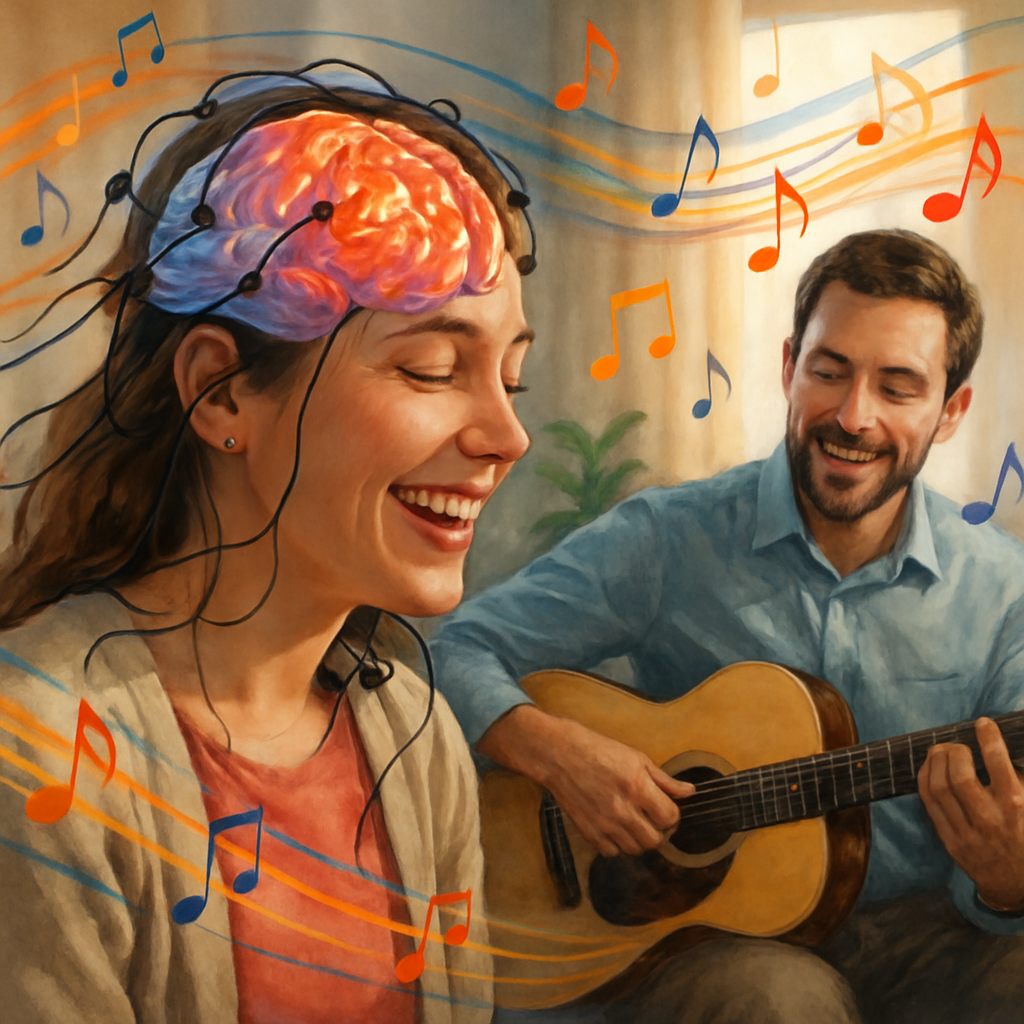
You might be wondering, how does music work its magic on the brain? Well, it turns out that engaging with music activates multiple areas of the brain responsible for processing sound, emotion, and even motor functions. This is particularly beneficial for children with developmental disabilities like autism.
The auditory cortex is one area that benefits immensely from exposure to musical stimuli. It helps improve auditory processing in autism, making it easier for children to understand spoken language and respond appropriately. Additionally, rhythmic activities for autism have been shown to stimulate brain regions linked to movement and coordination-think of it as a workout for both mind and body!
Key Insight: Engaging with music not only nurtures cognitive development but also enhances overall brain connectivity, paving the way for better learning outcomes!
The impact of rhythm and melody on emotional regulation
If you've ever tapped your foot to a catchy tune or felt uplifted by a beautiful melody, you know firsthand how powerful music can be! For children with autism, rhythmic patterns and melodies can serve as effective tools for managing emotions. Think of rhythm as a soothing heartbeat that helps regulate feelings during overwhelming moments.
Research shows that structured musical interventions can help children recognize their emotions through sound. For example:
- Singing songs about feelings: Helps children articulate their emotions more clearly.
- Dancing to rhythms: Provides an outlet for physical expression while reducing anxiety.
- Create personalized playlists: Tailored musical selections can evoke specific feelings or calmness during stressful situations.
A study published by the University of Melbourne found that "children who participated in rhythmic activities showed improved emotional regulation compared to those who did not." - University of Melbourne Study
This emphasis on rhythm not only aids emotional expression but also fosters nonverbal communication in autism essential skill for building connections with others!
Takeaway: Integrating rhythmic activities into music therapy sessions can significantly enhance emotional regulation skills among autistic children!
Music therapy for autism opens up exciting avenues for both parents and therapists alike. By leveraging these insights, we can create enriching environments where our little ones thrive through the power of music. Ready to explore more? Let's keep this symphony going!
Benefits of Piano for Children with Autism
Cognitive benefits
The piano is not just a pretty instrument; it’s a brain booster! Engaging with this magnificent creation can lead to significant cognitive benefits for children with autism. Here’s how:
- Improved focus and attention span: Playing the piano requires concentration, helping children hone their focus over time.
- Enhanced memory skills: Learning to play songs boosts both short-term and long-term memory, as children memorize notes and patterns.
Emotional benefits
The emotional landscape of children with autism can often resemble a rollercoaster ride. Luckily, the piano offers a way to smooth out those bumps!
- Reduction in anxiety and stress levels: The act of playing can be incredibly calming, providing an outlet for pent-up energy and emotions.
- Boosting self-esteem through accomplishment: Mastering a new piece or skill on the piano can instill a sense of achievement that enhances confidence.
Sensory benefits
Piano playing is like a sensory buffet! It engages multiple senses simultaneously, making it an ideal activity for children who experience sensory processing issues.
- Engagement with sound and touch: The tactile experience of pressing keys combined with auditory feedback creates a rich sensory environment.
- Development of fine motor skills through playing: Navigating the keys helps improve dexterity and coordination, essential skills for daily life.
Key Takeaway: The multifaceted benefits of piano playing make it an invaluable tool in autism therapy, addressing cognitive, emotional, and sensory needs simultaneously!
If you're considering music therapy benefits, incorporating piano lessons into your child’s routine could be a game-changer. Not only does it promote holistic development, but also fosters joy and creativity! Ready to hit those keys? Let’s explore more ways to make music magic happen!
Piano Activities for Home Practice
Simple exercises to introduce piano playing
Getting started with the piano can be as simple as a few fun exercises that engage your child without overwhelming them. Think of these exercises as the warm-up stretches before a big game - they set the stage for success!
- Finger warm-ups: Encourage your child to play each key in sequence, starting from middle C. This helps develop finger strength and coordination. Make it a game by counting how fast they can go without making a mistake!
- Simple melodies: Start with easy tunes like "Mary Had a Little Lamb" or "Twinkle, Twinkle, Little Star." These familiar songs can boost confidence and make practice feel less like work.
- Color-coded notes: Use stickers or colored markers to label keys. This visual aid helps children connect notes with their corresponding keys, making learning more interactive.
Fun games to engage children with autism in music practice
Who says practice has to be boring? Incorporating games into piano practice makes it exciting and engaging! Here are some playful ideas that blend learning with fun:
- Piano scavenger hunt: Hide flashcards of notes around the room. Ask your child to find them and play the corresponding key on the piano!
- Musical Simon Says: Play a game of Simon Says using musical commands. For example, "Simon says play C three times!" This fosters listening skills while having a blast.
- Rhythm clapping: Clap out different rhythms and have your child replicate them on the piano. This builds their sense of timing and rhythm, crucial for musicality.
Tips for creating a supportive home environment for music learning
A supportive environment is essential for nurturing your child's love of music. Here’s how you can create an inviting space that encourages exploration and creativity:
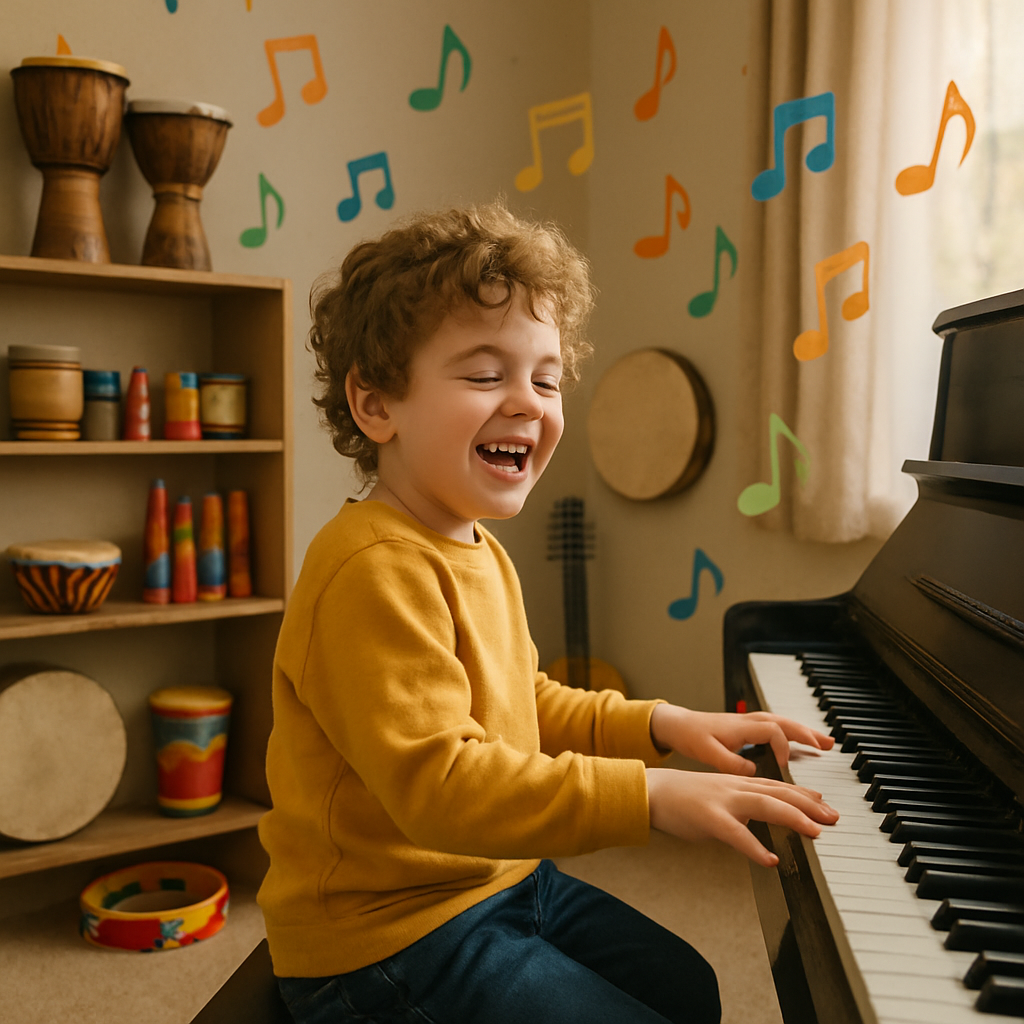
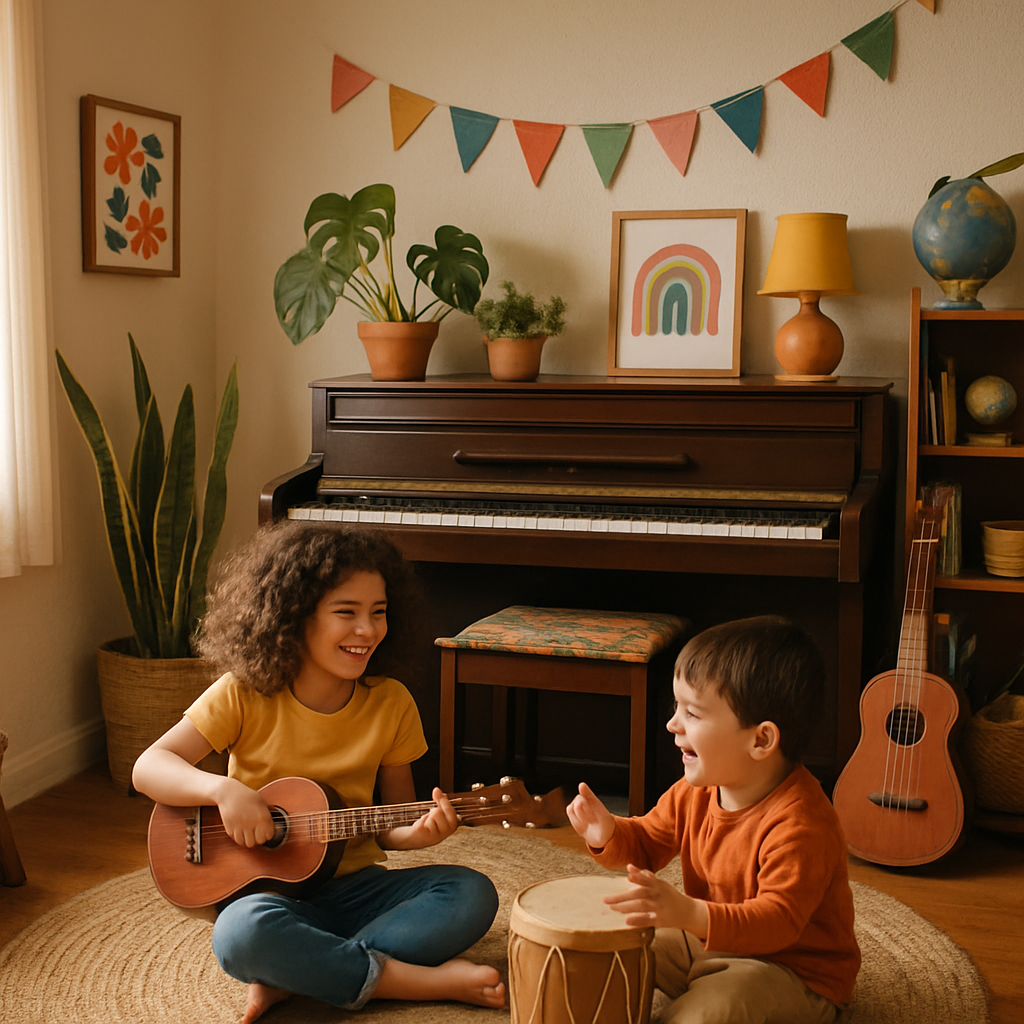
- Dedicate a music corner: Set up a cozy area with the piano, colorful decorations, and comfy seating. A designated space signals it's time for music fun!
- Incorporate sensory elements: Use soft lighting or calming scents (like lavender) during practice sessions to create an atmosphere conducive to focus and relaxation.
- Encourage family involvement: Join in on practice sessions! Whether you're singing along or tapping out rhythms on a nearby table, family participation fosters connection and makes learning more enjoyable.
Key Takeaway: Incorporating engaging activities and creating a supportive environment not only enhances autism music therapy, but also transforms home practice into an enjoyable experience that promotes growth!
The journey through music doesn’t have to be solitary; together, you can explore new melodies while building essential skills! Ready to make some noise? Let’s keep those fingers dancing across those keys!
Real-Life Success Stories and Testimonials
Anecdotes from parents using piano as therapy for their children with autism
As any parent of a child with autism knows, finding the right autism therapy can feel like searching for a needle in a haystack. But when it comes to autism music therapy, the stories are nothing short of heartwarming!
Take Sarah, for instance. After struggling to communicate with her son, Jake, she enrolled him in piano lessons as part of his autism treatment options. Within weeks, Jake began to express himself through music. “It was like watching a flower bloom,” Sarah shares. “He started humming melodies that reflected his emotions-something I had never seen before.”
Then there's Mark, whose daughter Lily faced significant challenges with communication skills in autism. By integrating piano into her daily routine, he noticed remarkable changes. “Lily now uses music to tell me about her day,” he says. “The piano gave her a voice when words failed.” It’s like finding the secret key that unlocks their world!
Case studies highlighting progress made through music therapy programs
The impact of structured music therapy sessions is not just anecdotal; numerous case studies illustrate the profound benefits of piano-based interventions.
| Child's Name | Initial Challenges | Progress Made Through Music Therapy |
|---|---|---|
| Amy | Sensory processing disorder, limited verbal communication | Improved emotional expression and increased vocabulary through song lyrics. |
| Ben | Anxiety during social interactions, difficulty making friends | Enhanced social skills development by participating in group music sessions. |
| Cara | Lack of focus and attention span issues during activities | Significant improvement in attention span while playing familiar tunes on the piano. |
The results are clear: integrating music into therapy can lead to transformative changes. A study highlighted that children who participated in group music therapy for autism spectrum disorder showed greater emotional regulation and social engagement than those who did not.
Key Takeaway: The success stories from parents and documented case studies underscore the effectiveness of music therapy benefits , especially when tailored to each child's unique needs!
If you’re considering incorporating piano into your child’s therapeutic journey, these real-life examples provide a hopeful glimpse into what’s possible. Now is the perfect time to explore how this magical instrument can open doors for your little one!
Conclusion: The Future of Music Therapy in Autism Care
As we gaze into the crystal ball of autism music therapy, it’s clear that the future is bright and filled with harmonious possibilities. With each passing year, research continues to unveil the profound impact of music therapy benefits on children with autism spectrum disorder. This isn't just a fleeting trend; it's a revolution in how we approach autism treatment options!
Innovative Approaches on the Horizon
Imagine a world where technology and music unite to create personalized therapeutic experiences! Virtual reality environments, interactive apps, and AI-driven music compositions are already making their way into therapeutic music interventions. These innovations not only enhance engagement but also cater to individual needs-like having a custom-fit suit for your emotional and cognitive growth.
For instance, consider how interactive music sessions for autistic children could evolve. Picture kids wearing VR headsets while they play along with their favorite tunes, feeling as though they are part of a live concert! This immersive experience could foster better communication skills in autism while making learning feel like an adventure.
A Focus on Holistic Approaches
The shift toward holistic approaches in autism therapy is gaining traction. Families are increasingly seeking individualized treatment plans that encompass not just music but also movement, art, and play-based interventions for autistic children. This blend of creative therapies for autism promotes overall well-being, addressing emotional regulation in autism while nurturing social skills development.
The takeaway? The integration of music into these holistic frameworks offers a unique opportunity to support cognitive development in autism while also fostering meaningful connections among peers. It’s like hosting a party where everyone can dance to their rhythm!
The Role of Family Involvement
One thing is crystal clear: family involvement is crucial! As we move forward, encouraging parents to participate actively in music therapy sessions will be key to unlocking their child's potential. Think of it as forming an orchestra where every family member plays an instrument, together creating beautiful melodies that resonate with love and support.
This collaborative approach not only enhances emotional expression through music therapy but also establishes stronger bonds within families, because who wouldn’t want to jam together while building life skills?
Final Thought: The future of autism music therapy is all about innovation, collaboration, and holistic care. By embracing these advancements today, we can pave the way for brighter tomorrows filled with joy, growth, and endless musical possibilities!
If you’re excited about harnessing the power of music for your child’s journey through autism care, now's the time to explore these avenues further. Let’s make some noise together as we embrace this symphonic adventure!